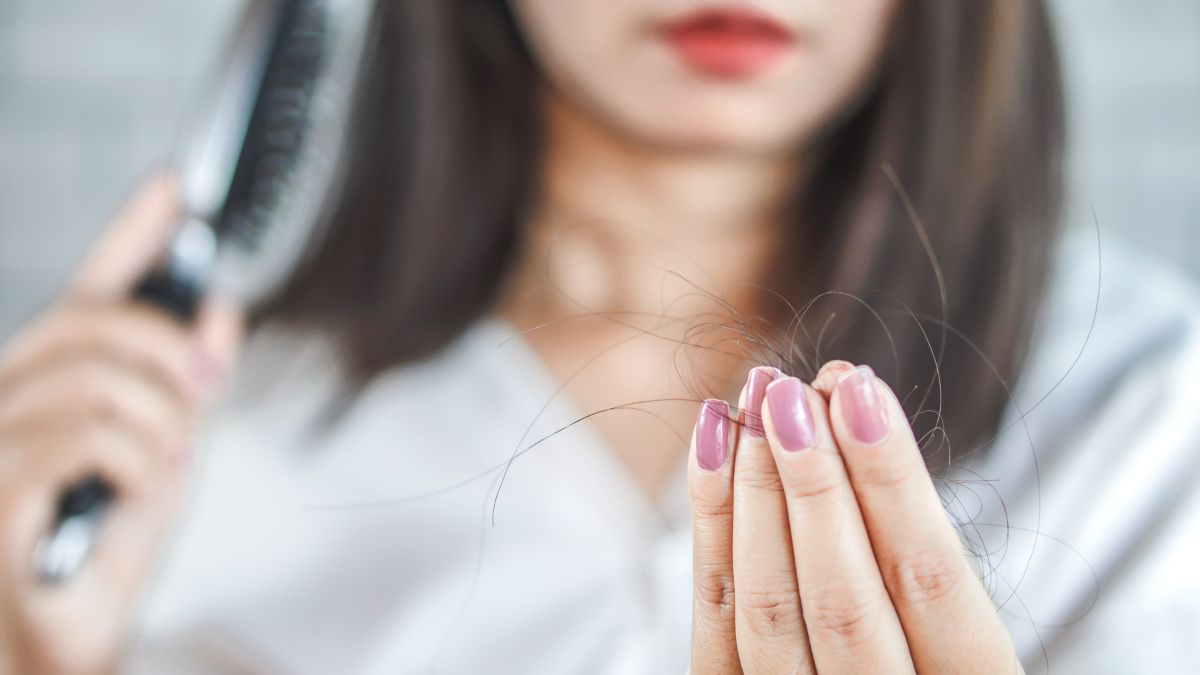
Hair loss, also known as alopecia, can affect how your hair grows in your scalp or even in other parts of your body. It can also be temporary or permanent. Heredity, hormonal changes, medical conditions, and aging are some of the things that may cause this. This article will walk you through the basic stuff you need to know about hair fall.
Types of Hair Fall
There are different types of hair fall. The main ones are the following:
Androgenic Alopecia
It’s also known as male or female pattern baldness. Gradual thinning of hair is one of the signs of this hereditary condition.
Alopecia Areata
This is a disorder where the person’s immune system attacks hair follicles. This typically results in round patches of hair loss on the scalp or other areas of the body.
Telogen Effluvium
When you’re subjected to stress, an illness, or an accident and you experience widespread thinning of your hair as a result, you may have this condition. This is a temporary form of hair loss.
Anagen Effluvium
People who undergo chemotherapy or radiation therapy have this type of hair loss as a side effect of their treatment.
Traction Alopecia
Pulling or constant tension on the hair are possible causes of this hair fall type.
Causes of Hair Loss
Different things can lead to hair loss, such as:
- Genetics. A family history of balding can increase the risk.
- Hormonal Changes. Pregnancy, thyroid problems, and menopause are just some of the conditions that may throw off your hormones and cause hair fall in the process.
- Underlying Medical Conditions. Scalp infections like ringworm are examples of a condition that has hair fall as one of the manifestations.
- Medications. Certain drugs for cancer, arthritis, depression, and heart problems can cause hair loss.
- Nutritional Deficiencies. Lack of proper nutrients can affect hair health as well.
Stress. Both physical and emotional stress can trigger hair loss.
Prevention
While genetic hair loss is not preventable, lifestyle changes and other non-medical approaches may help prevent your hair from falling off.
- Avoid hairstyles that may pull too hard on your scalp. Overly tight ponytails and even hairstyles that use a lot of heavy accessories are included in this list.
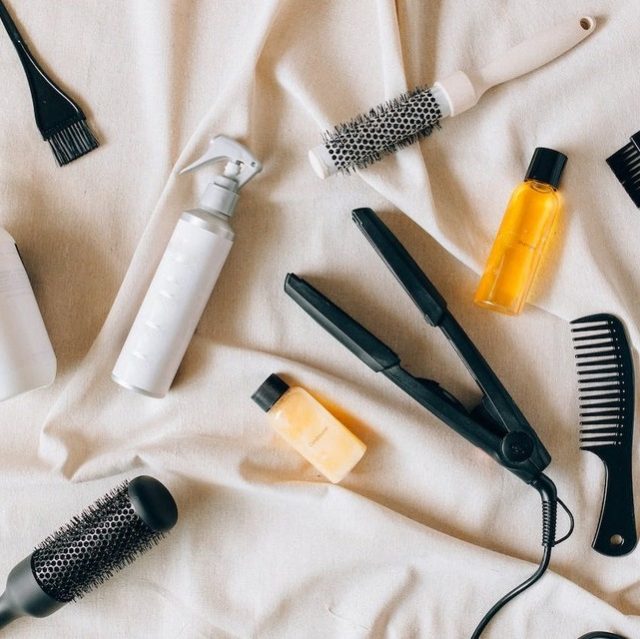
- Stay away from harsh hair treatments. If you badly need to go to the salon for these, consider doing it less frequently.
- Protect your hair from UV radiation. Use caps, umbrellas, and other similar gear to cover your hair when you go out.
- If you’re smoking, consider gradually tapering off this habit.
- Maintain a balanced diet rich in essential nutrients, such as protein, biotin, collagen, and vitamins A and D. Some examples of food to include in your meals are eggs, strawberries, spinach, fatty fish (salmon and sardines), and avocado.
Hair Fall Treatment
Treatment for alopecia varies depending on the type and severity of hair loss and may include medications, topical treatments, light therapy, or hair transplant surgery. If you or someone you know is dealing with alopecia, it's important to consult with a healthcare professional for proper diagnosis and treatment options.
Here are some treatment options you may consider, with guidance from your doctor:
Pharmacological Options
For mild cases of hair fall, there are medicated shampoos and other hair care products that you can apply on the scalp. For more severe cases of hair fall, you need to consult with your doctor so they can provide you with prescription meds to either slow down the rate of hair loss or promote regrowth. In some cases, it may even do both.
Hair Transplant Surgery
As the term implies, it’s a permanent solution involving the transplantation of hair follicles. There are two ways to do this. The first one (Follicular Unit Transplantation) involves removing a strip of scalp from the back of the head where hair is more resistant to balding. The other type (Follicular Unit Extraction) takes more work because it involves the individual removal of follicles directly from the scalp. In effect, it results in small, dot-like scars that are typically less noticeable.
Low-Level Laser Therapy
Can promote hair growth in some cases. The therapy is non-invasive and painless, and it's often used as an alternative or additional treatment to other hair loss interventions.
When to See a Doctor
Consult a healthcare provider if you're experiencing distressing hair loss or sudden patchiness. Do the same if you suspect medications might be the cause. Early treatment is often more effective than cure.