When stepping into a hair salon, you enter a world of transformation, care, and expertise. Whether you're looking for a simple trim, a bold new color, or a treatment to rejuvenate your hair, understanding the range of services available can enhance your salon experience. This guide dives deep into the most popular, express, and special services hair salons offer, ensuring you make the most informed choices for your hair care needs.
What are Hair Salon Services?
Hair salon services offer a broad spectrum of treatments and styling options to meet the varied needs of clients who wish to maintain, transform, or enhance the look and health of their hair. From classic cuts to styling, hair salons provide many services to meet their clientele's diverse needs.
How Hair Salon Services Work
Hair salon services operate through a structured process that ensures client satisfaction, safety, and the delivery of high-quality results. Understanding how these services work can help clients have a better salon experience and make informed decisions about their hair care.
Hair Salon Services Variations
Hair Coloring
Professional salon services ensure your desired outcome without the risk of damage. Hair colorists know how to mix dyes to achieve the perfect shade. It's important to communicate your preferences during the consultation.
You should color your hair when...
Hair coloring is most suited for individuals seeking to alter their appearance, cover grays, enhance natural hues, or introduce dimensions with highlights or lowlights. It's an excellent option for those ready to engage in some maintenance to preserve the color's vibrancy and health.
Maintenance
- Use Color-Safe Products. Opt for shampoos and conditioners specifically formulated for colored hair to gently cleanse without stripping away hair dyes.
- Limit Washing. Washing your hair less frequently can help the color last longer. Use lukewarm water rather than hot, as hot water can cause the color to fade more quickly by opening the hair cuticle.
- Heat Protection. Apply a heat protectant before using styling tools to minimize damage and color fading.
- Regular Trims. Getting your hair trimmed regularly helps maintain its health and prevents split ends, which can dull the appearance of your color.
- Touch-Ups. Depending on your hair growth and the type of color, you may need regular touch-ups, typically root touch-ups every four to six weeks.
- UV Protection. The sun's UV rays can cause colors to fade. Protect your hair by wearing hats or using hair products that offer UV protection.
Other Tips
- Patch Test. If you're trying a new color or have sensitive skin, request a patch test to check for any adverse reactions to the dye.
- Invest in Aftercare Products. Your stylist can recommend specific aftercare products compatible with your hair type and color.
- Consider Water Quality. If possible, wash your hair with filtered water, as hard water can contribute to color fading and may affect hair texture.
- Semi-Permanent Options. For those not ready for a long-term commitment or wishing to experiment with color without significant damage, semi-permanent dyes can be an ideal choice. These generally wash out after several shampoos.
Hair Rebonding
Hair rebonding is a chemical treatment that transforms curly, wavy, or frizzy hair into sleek, straight strands. This process involves using a chemical relaxant to break down the hair's natural hydrogen or disulfide bonds. After these hair bonds are broken, a neutralizer is applied to reconfigure and permanently straighten them.
Hair rebonding is best for...
Hair rebonding is particularly suitable for individuals with curly, wavy, or frizzy hair who wish to achieve permanently straight strands until it grows out!
Maintenance
Maintaining rebonded hair involves a commitment to keeping it looking healthy and vibrant. Here are some maintenance tips:
- Use Sulfate-Free Shampoos and Conditioners. These products are gentler on chemically treated hair and help retain moisture without stripping away essential oils.
- Deep Conditioning. Regular deep conditioning treatments are crucial to hydrate rebonded hair and minimize damage.
- Avoid Heat Styling. Minimize the use of heat styling tools. If necessary, use a heat protectant spray to reduce damage.
- Trim Regularly. Regular trims help keep your hair healthy and free of split ends.
Avoid Tying Your Hair Too Tightly. Tight hairstyles can cause stress and breakage. - Wait Before Getting The Rebonded Hair Wet Or Colored. It's recommended to avoid washing your hair for at least three days after the rebonding treatment. You must also wait a specified period before coloring rebonded tresses to prevent hair damage.
Other Tips
- Post-Treatment Hair Care. Invest in hair care products recommended by your stylist that are formulated for chemically straightened hair.
- Protect Against Environmental Damage. Wear a hat or use products with UV protection to protect your hair from sun damage. Also, try to limit exposure to chlorine and saltwater. (Don't get your hair rebonded right before a beach trip.)
- Be Prepared for Touch-ups. Depending on your hair growth, you may need touch-ups on the new growth every few months.
Hair Styling
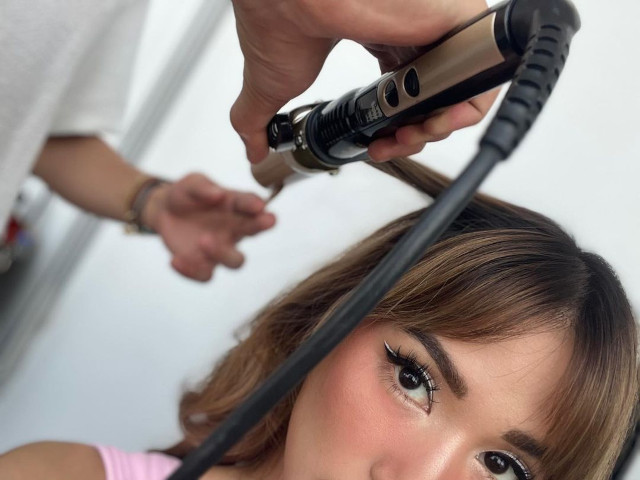
Hair styling encompasses many techniques and services to shape, style, and design hair. This can range from simple blowouts and basic haircuts to more elaborate updos that might require braiding and heat styling with tools.
When to get hair styling services
Hair styling services are ideal for anyone looking to update their look, prepare for a special occasion, or maintain their current hairstyle. People with all hair types, lengths, and textures can benefit from professional styling to achieve a desired look that might be difficult to replicate at home.
Maintenance
Maintaining a professionally styled look can vary greatly depending on the complexity and type of style. Here are some maintenance tips:
- Use the Right Products. Using styling products recommended by your stylist, such as hairsprays, mousses, or pomades, can help maintain your style longer.
- Protect Your Hair. Always apply a heat protectant to minimize damage when using heat tools at home.
- Sleeping Techniques. For specific styles, sleeping with a silk pillowcase or wrapping your hair in a silk scarf can reduce frizz and help styles last longer.
- Touch-ups. Learning simple touch-up techniques with a flat or curling iron can prolong your style.
Other Tips
- Know Your Hair Type. Understanding your hair type will help you and your stylist choose the most effective styles and products.
- Plan for Events. If you're getting styled for a special event, consider the event's theme, outfit, and any accessories you plan to wear when deciding on your hairstyle.
- Regular Haircuts. Regular trims and haircuts are essential for maintaining healthy hair and making styling more effortless and effective.
Haircut
A haircut involves cutting or trimming the hair to achieve a specific length, shape, or style. It's a fundamental service offered at hair salons, from simple trims to remove split ends and maintain hair health, to complete transformations where significant lengths are cut, or entirely new styles are created.
Haircuts are for everyone!
Haircuts are suitable for everyone, regardless of age, gender, or hair type. Regular haircuts are essential for maintaining healthy hair, encouraging growth by removing split ends and keeping the hairstyle fresh and well-maintained. They're also perfect for anyone looking to change their appearance, update their style, or manage their hair more quickly.
Maintenance
Maintaining a haircut involves regular visits to the salon to keep the style looking its best. The frequency of these visits can vary based on the individual's hair growth rate and the style of the cut.
Short styles may require trims every four to six weeks to maintain shape. On the other hand, longer styles need cuts every eight to 12 weeks to keep ends healthy and styled correctly.

Other Tips
- Consider Your Lifestyle. Choose a haircut that fits your daily routine and how much time you will spend styling.
- Protect Your Hair. Use heat protectant sprays when styling with blow-dryers, curling irons, or straighteners. Also, keep in mind to minimize the use of harsh chemicals.
- Regular Trims. Even if you're growing your hair, regular trims are necessary to maintain hair health and remove split ends.
- Invest in Good Tools and Products. High-quality hair care products and tools can make a significant difference in maintaining your haircut and overall hair health.
Balayage
Balayage is a 1970s freehand coloring technique from France. Dye is applied by hand rather than traditional foiling or cap highlighting techniques.
Balayage is best for...
Balayage is best for individuals looking for a natural-looking, sun-kissed effect. It's particularly appealing for those wanting a low-maintenance color option, as it allows for longer intervals between salon visits than traditional highlighting techniques.
Maintenance
Balayage is relatively low-maintenance. However, some care is required to keep your color looking its best.
- Protect Your Color. Use color-protecting shampoos and conditioners to help maintain the vibrancy of your balayage.
- Avoid Overwashing. Washing your hair too frequently can strip color and moisture. Limit washing to a few times weekly and use dry shampoo in between if needed.
- Heat Protection. If using heat styling tools, always apply a heat protectant to prevent color fading and hair damage.
- Deep Conditioning. Regular deep conditioning treatments can help keep your colored hair hydrated and healthy.
- Sun Protection. UV rays can cause color fading. Wear hats and use hair products that offer UV protection.
Other Tips
- Toner Touch-ups. Between balayage applications, consider getting a toner refresh to maintain the tone and vibrancy of your color.
- Patience. Achieving the perfect balayage might take more than one salon visit, especially if you're transitioning from a much darker base color or looking to correct previous color treatments.
Hair Highlights
Hair highlights involve selectively lightening sections of hair to add dimension, depth, and brightness. Depending on the desired effect, this technique can be achieved through various methods, including foiling, balayage, or cap highlighting.
Best For
Highlights are best for individuals looking to refresh their look by adding texture and movement to their hair. They are suited for all hair types, lengths, and colors.
Maintenance
Maintaining your highlights to ensure they stay vibrant and healthy requires some care. Here are some maintenance tips:
- Color-Safe Products. Use shampoos and conditioners specifically designed for color-treated hair to prevent fading and maintain the health of your highlights.
- Limit Wash Frequency. Washing your hair less often can help preserve the color. Use lukewarm water instead of hot when washing to prevent the color from fading quickly.
- Protection from Heat. Apply a heat protectant spray before using heat styling tools to minimize damage and keep your highlights looking fresh.
- Deep Conditioning. Regular deep conditioning treatments are essential for moisturizing highlighted hair and preventing dryness and breakage.
- UV Protection. UV rays can cause color fading. Wear hats and use hair products that offer UV protection.
Other Tips
- Regular Touch-Ups. Depending on how fast your hair grows and the contrast between your highlights and natural color, you may need touch-ups every six to eight weeks to maintain the look.
- Toner. Using a toner between salon visits can help manage the color tone of your highlights, keeping them from turning brassy or too yellow.
- Gentle Styling. Be gentle with your highlighted hair. Avoid tight hairstyles that can cause breakage, and use a wide-tooth comb on wet hair to prevent damage.
Hair Perming
Hair perming is a chemical process to create permanent curls or waves in straight hair or straightening naturally curly or wavy hair. A chemical solution is applied to break the hair's natural bonds, then reformed around rods (for curls) or stretched out (for straightening).
Best For
Perms are ideal for those looking to change their hair texture permanently without daily styling. Another benefit is adding volume to limp, flat hair. In South Korea, they perm their bangs to have that perfect look that doesn't need daily styling.
Maintenance
Proper maintenance is vital to ensuring the longevity of a perm and maintaining hair health.
- Hydrate Your Hair. Use shampoos and conditioners formulated for chemically treated hair to keep it moisturized.
- Reduce Washing Frequency. Washing your hair less often helps maintain the curl's shape and prevents dryness.
- Deep Condition. Regular deep conditioning treatments are crucial for nourishing permed hair.
- Avoid Heat. Minimize the use of heat styling tools. When necessary, use a diffuser for drying to protect the curls.
- Regular Trims. Trimming your hair regularly helps maintain the shape of your perm and prevents split ends.
Other Tips
- Aftercare. Avoid washing or styling your hair for the first 48 hours after perming to allow the curls to set properly.
- Silk or Satin Pillowcase. Sleeping on a silk or satin pillowcase reduces friction, preventing frizz and tangling.
- Touch-up Appointments. As your hair grows, the new growth will have your natural texture. Plan for touch-up appointments or discuss transitioning styles with your stylist.
- Sun Protection. UV rays can cause hair damage. Protect your hair by wearing hats or using hair products that offer UV protection.
Hair Bleaching
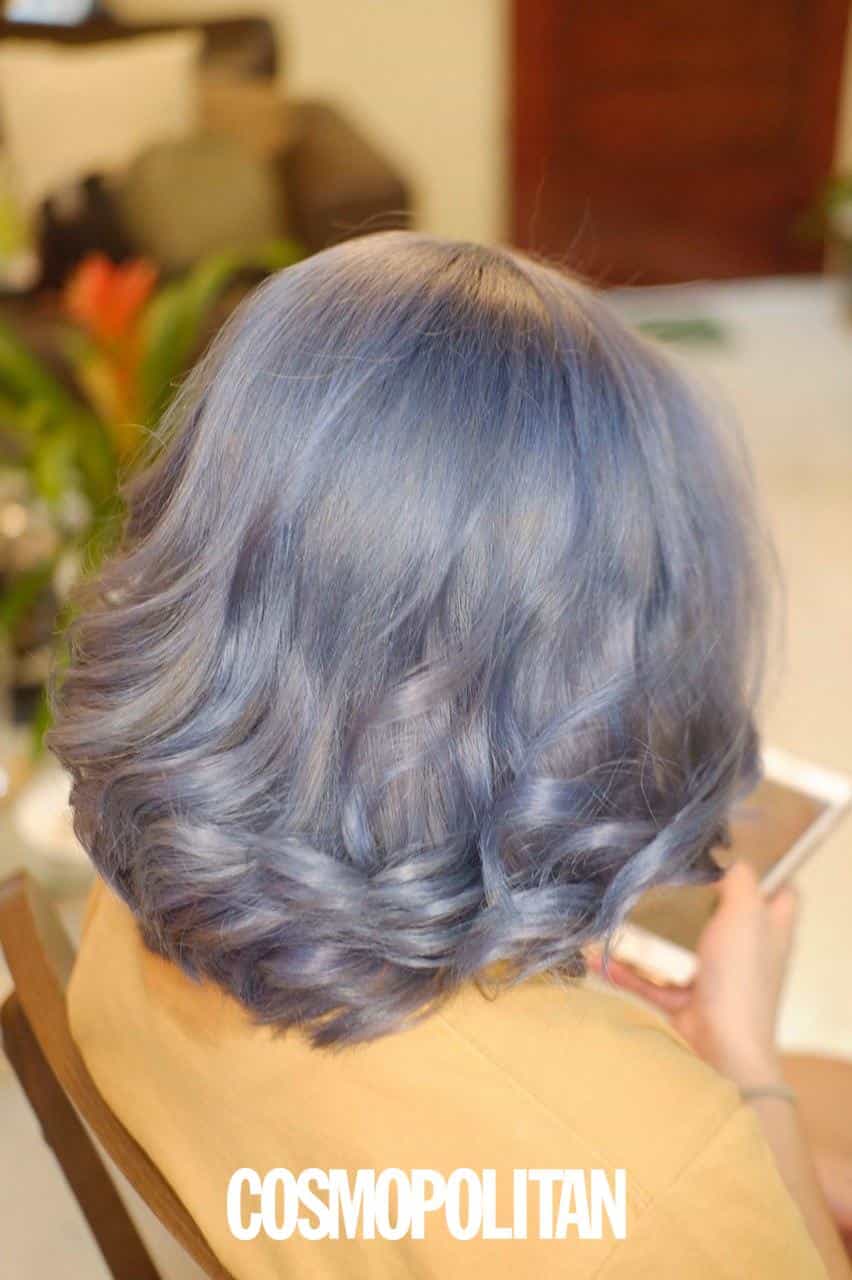
Hair bleaching is a chemical process that lightens the natural pigment of your hair. This is achieved by applying a bleaching agent that breaks down the hair's natural color.
Best For
Bleaching is particularly suitable for those wanting to change their hair color dramatically, such as going several shades lighter than their natural tone or preparing the hair for bright or unconventional colors.
Maintenance
To maintain healthy and vibrant bleached hair, consider the following practices:
- Deep Conditioning. Use deep conditioning treatments regularly to replenish moisture and improve hair elasticity.
- Protein Treatments. Protein-based products can help repair and strengthen the hair structure weakened by bleaching.
- Minimize Heat Styling. Limit the use of heat on bleached hair to prevent further damage. When necessary, use heat-protectant products.
- Use Color-Safe Shampoos and Conditioners. These products are designed to be gentle on bleached and color-treated hair, helping to maintain its health and color.
- Protect Hair from the Sun. UV rays can cause color fading. Wear hats and use hair products that offer UV protection.
Other Tips
- Patch Test. Before a full bleach, conduct a patch test to ensure you don't react adversely to the bleaching agent.
- Use Toner. A toner can help achieve the desired blonde shade and counteract unwanted yellow or brassy tones.
- Regular Trims. Bleached hair is more prone to split ends; regular trims can help maintain its health and appearance.
- Invest in Quality Hair Care. High-quality, sulfate-free, and nourishing products are crucial for the care and maintenance of bleached hair, ensuring it stays healthy and vibrant.
Keratin Treatment
Keratin treatments are semi-permanent hair smoothing processes to turn frizzy, unruly hair into sleek, manageable locks. These treatments involve applying a keratin-based formula to the hair, which is then sealed with heat.
Best For
Keratin treatments are ideal for frizzy, curly, or wavy hair seeking a smoother, straighter look without daily heat styling. It's also beneficial for those who want to reduce their hair styling time, as it makes hair more manageable.
Maintenance
Follow these maintenance tips to maximize the longevity and effectiveness of a keratin treatment.
- Use Sulfate-Free Shampoos and Conditioners. Sulfates can strip the keratin from your hair.
- Delay Washing. Wait two to three days after the treatment before washing your hair to allow the keratin to fully bond to hair strands.
- Reduce Washing Frequency. Washing your hair less often can help extend the treatment's effects. When you do wash, opt for cool or lukewarm water.
- Avoid Salt Water and Chlorine. Exposure to salt water or chlorine can shorten the lifespan of your keratin treatment. Use a swimming cap or apply a leave-in conditioner before swimming.
- Apply Heat Protectant. While keratin treatments make your hair more resilient to heat, using a heat protectant before styling can help maintain the treatment's benefits.
Other Tips
- Regular Hair Trims. Frequent trims can prevent split ends, maintaining the health and appearance of your hair, which may help prolong the treatment's effects.
- Quality Hair Care Products. Using high-quality, keratin-compatible products as recommended by your stylist can significantly impact the duration of the treatment's results.
- Professional Application. For safety and effectiveness, opt for a professional application. DIY kits might yield different results and could harm your hair.
- Be Mindful of Chemicals. Some keratin treatments contain formaldehyde or related ingredients. Discuss any health concerns with your stylist and opt for a formaldehyde-free formula if possible.
Brazilian Hair Treatment
A Brazilian hair treatment, often called a Brazilian blowout or keratin treatment, is a semi-permanent method designed to smooth curls, eliminate frizz, and impart a glossy shine to the hair. This treatment involves applying a keratin solution to the hair and then sealing it with heat, usually with a flat iron/straightener.
Best For
Brazilian hair treatments are best for individuals with frizzy, curly, or unruly hair looking for a smoother, sleeker appearance. It's particularly beneficial for those looking to reduce styling time and maintain a polished look with minimal effort.
Maintenance
Follow these tips to maintain the results of a Brazilian hair treatment and ensure its longevity.
- Use Sulfate-Free Shampoos and Conditioners. Sulfates can strip the keratin from your hair, reducing the lifespan of the treatment.
- Wait Before Washing. It's usually recommended to wait a few days after the treatment before washing your hair to allow the solution to bond fully.
- Minimize Washing. Washing your hair less frequently can help the effects of the treatment last longer. When you do wash your hair, use lukewarm water rather than hot.
- Avoid Chlorine and Salt Water. Chlorine and salt can strip the keratin from your hair. Wear a swim cap or avoid getting your hair wet when swimming.
- Use Heat Protectants. Although your hair will be more resilient to heat after a Brazilian treatment, using a heat protectant before styling can help maintain the health and appearance of your hair.
Other Tips
- Patch Test. If you have sensitive skin or allergies, request a patch test before undergoing the full treatment to avoid adverse reactions.
- Ventilation. The application process can produce strong fumes, especially when the product is sealed with heat. Ensure the treatment is applied in a well-ventilated area.
- Regular Trims. Keeping your hair trimmed can help maintain the appearance of your Brazilian treatment, preventing split ends and breakage.
Hair Fall Treatment
Hair fall treatment encompasses various strategies and therapies to combat hair loss and promote hair growth. These methods range from medical treatments, such as topical applications (e.g., minoxidil) and oral medications (e.g., finasteride for men), to more natural approaches, including nutritional supplements and scalp massages.
Advanced options like Low-Level Laser Therapy (LLLT), Platelet-Rich Plasma (PRP) injections, and even hair transplant surgery are also available, depending on the severity and cause of hair loss. Identifying the underlying cause of hair fall, whether genetic, hormonal, nutritional, or stress-related, is crucial for choosing the most effective treatment.
Best For
Hair fall treatments are best suited for individuals experiencing noticeable hair thinning, significant hair shedding, or those with receding hairline. The effectiveness of a specific treatment can vary based on the type of hair loss (e.g., androgenetic alopecia, telogen effluvium, alopecia areata) and the individual's overall health and lifestyle.
Maintenance
Maintaining the results of hair fall treatment and promoting hair health involves the following:
- Adherence to Treatment. Consistently following the prescribed treatment regimen is crucial for its success.
- Nutritional Support. A diet rich in vitamins and minerals essential for hair growth, such as Vitamins A, C, D, E, zinc, and iron, can support treatment outcomes.
- Scalp Health. Regular scalp massages to improve blood circulation and gentle, suitable hair care products can benefit scalp health and quality.
- Lifestyle Adjustments. Reducing stress and exercising regularly can mitigate one of the common contributors to hair loss.
Other Tips
- Early Action. Initiating treatment at the first signs of hair thinning can improve outcomes.
- Avoid Damaging Practices. Minimize harsh chemical treatments, heat styling tools, and tight hairstyles that can exacerbate hair fall.
- Protect Hair from Environmental Damage. Hats or protective hair products can shield hair from sun damage and pollution.
Scalp Treatment
Scalp treatments address dryness, oiliness, dandruff, itchiness, and sensitivity in the scalp. These treatments can range from therapeutic shampoos and conditioners to more intensive procedures like exfoliation, masks, and serums formulated explicitly for scalp care.
Best For
Scalp treatments are suitable for anyone experiencing discomfort or specific conditions affecting the scalp. This includes individuals with dry, oily, or itchy scalp, dandruff, psoriasis, and eczema affecting the scalp area. They are also beneficial for those looking to stimulate hair growth or improve the overall health and appearance of their hair.
Maintenance
Maintaining the health of your scalp post-treatment involves a continuous care routine that may include:
- Regular Cleansing. Use gentle shampoos that don't strip the scalp of its natural oils while effectively removing buildup.
- Hydration. Keeping the scalp moisturized with appropriate products, especially if it tends to be dry.
- Balanced Diet. Consuming a diet rich in vitamins and minerals that support skin and scalp health.
- Avoiding Harsh Treatments. Minimize harsh chemical treatments and heat styling tools that can damage the scalp and hair.
- Protection. Shielding the scalp from excessive sun exposure to prevent damage.
Other Tips
- Exfoliation. Regular gentle exfoliation can help remove dead skin cells and product buildup, promoting a healthier scalp.
- Scalp Massage. Massages can improve circulation to the scalp, promoting hair growth and enhancing the effectiveness of scalp treatments.
- Product Selection. Choosing products specifically formulated for your scalp condition can yield better results and less irritation.
- Professional Advice. For persistent or severe scalp issues, seeking advice from a dermatologist or trichologist can provide a tailored treatment plan.
Frequently Asked Questions
How often should I get my hair trimmed?
It depends on your hair type and growth rate. Generally, every six to eight weeks is recommended to maintain health and style.
Can I color my hair at home after getting it professionally done?
It's not recommended. It's possible to DIY a dye job, but it may lead to uneven coloring and potential damage, especially if bleach is used. Always consult with your stylist for touch-ups for flawless results.
Are hair extensions damaging to my natural hair?
Hair extensions should not damage your natural hair when applied and maintained correctly.
How can I extend the life of my hair color, style, or treatment?
Regular touch-ups are the best way to prolong your hairstyle's lifespan. At home, use products specifically designed for your hair. For example, use color-safe products for color-treated hair. Avoid washing your hair often, and use dry shampoo or lukewarm water instead of hot water. Lastly, protect your hair from the sun, the ocean, and the pool.
What's the best way to communicate my desired hairstyle to my stylist?
Bring pictures and be as descriptive as possible to ensure you and your stylist are on the same page.