Cosmetic makeup has evolved as a usual part of our daily routines. It enhances natural beauty and sometimes serves as a means for artistic expression. This guide explores different types of cosmetic makeup, and it covers the basic definitions of certain makeup types, types of makeup depending on the area of application, and some of the most common questions with answers related to it.
What is Cosmetic Makeup?
Cosmetic makeup is any product applied to the face and body to enhance features, conceal imperfections, and even alter your appearance. Common ingredients include pigments, oils, waxes, and emollients. The choice of ingredients depends on the product's specific application and desired effect.
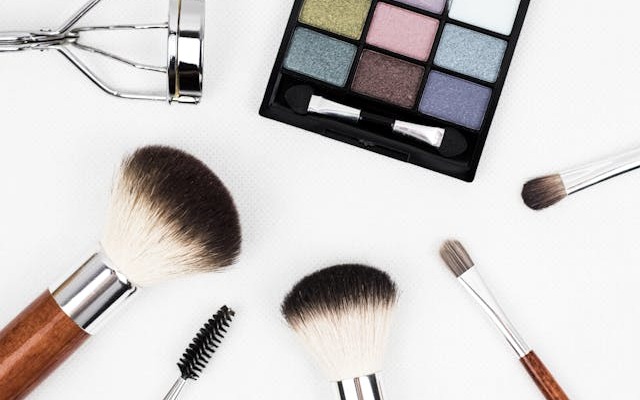
Types of Cosmetic Makeup Depending on Area
Eye Makeup
Eye makeup is a crucial element of cosmetic application, designed specifically to accentuate and enhance the appearance of the eyes. It plays a significant role in beauty and makeup routines.
Aside from that, it serves as a medium for personal expression and creativity. It aims to draw attention to the eyes while emphasizing their natural beauty and complementing the overall facial aesthetic.
Here are some of the eye makeup products that you may check out:
- Mascara. Mascara is applied to the eyelashes to make them appear longer, thicker, and darker. It defines the lashes and can significantly open up the eyes, making them appear larger.
- Eyeshadow. This product is used to add color and dimension to the eyelids. Eyeshadows come in various forms, including powder, cream, and pencil, and are available in a wide range of colors and textures (e.g., matte, shimmer, glitter). They help create various looks, from subtle and natural to bold and dramatic.
- Eyebrow Products (Pencils, Gels, Powders, and Tints). These products fill in, shape, and define the eyebrows, which frame the eyes and play a crucial role in the overall facial expression. Well-defined eyebrows can significantly enhance the appearance of the eyes and the face.
- False Eyelashes and Eyelash Extensions. These products provide additional length and volume to the natural lashes. They range from subtle, natural-looking enhancements to bold, voluminous styles.
- Eye Primer. Although not a color cosmetic, eye primer enhances the durability and vibrancy of eyeshadow. It prepares the eyelids for eyeshadow application, which prevents creasing and fading. It also keeps the color in place for longer periods.
- Concealers and Correctors. While primarily used for the face, these products are also essential for eye makeup application. Concealers and correctors help cover dark circles, redness, or other imperfections around the eye area. It also creates a flawless base for makeup.
- Eyeliner. Eyeliner is applied to the contours of the eye to define its shape. Available in liquid, gel, pencil, or powder form, eyeliner can enhance the size and shape of the eyes. Aside from that, it can be used to achieve a variety of styles, from a classic cat-eye to a smoky effect.
Face Makeup
Face makeup encompasses various products designed to enhance or alter the appearance of the face by concealing imperfections, highlighting features, and adding color and texture. These products can range from providing light, natural coverage to creating dramatic, bold looks, depending on their formulation and application.
The goal of face makeup is to achieve a desired aesthetic, whether it's to present a more polished appearance, highlight natural features, or experiment with creative makeup art.
- Concealer. A concealer is a thick, pigmented cosmetic product that covers imperfections such as dark circles, blemishes, and discolorations on the skin. It comes in various shades to match skin tones and types that seamlessly blend with the natural skin color.
- Bronzer. Bronzer is a cosmetic product designed to give the skin a sun-kissed glow. It typically comes in powder, cream, or liquid form and is applied to areas where the sun naturally hits the face, like the cheeks, temples, and bridge of the nose.
- Setting Spray. A setting spray is a liquid mist that locks makeup in place, ensuring it lasts longer without smudging or fading. It also helps to blend the makeup for a more natural look and can come with different finishes, such as matte or dewy.
- Makeup Primer. A makeup primer is applied before foundation or other face makeup to create a smooth base. It can fill in pores, fine lines, and wrinkles, which makes the skin appear smoother. Primers can also help makeup last longer and can be formulated to address various skin concerns, like oiliness or dryness.
- Setting Powder. Setting powder is used to set or hold liquid or cream makeup in place. It helps to mattify the skin by absorbing excess oil, reducing shine, and creating a smooth finish. Setting powders can be translucent or slightly tinted to match the skin tone.
- Makeup Foundation. Foundation is a liquid, cream, or powder makeup applied to the entire face to create an even skin tone and cover flaws. It comes in a wide range of shades to match different skin colors and types, and it can provide coverage from sheer to full. It also comes in different finishes: matte, dewy, and natural.
- Makeup Blush. Blush is a cosmetic product that adds a pink or rosy color to the cheeks, enhancing the natural flush. It can come in powder, cream, or gel forms and is applied to the apples of the cheeks to create a healthy-looking glow.
- BB Cream. BB cream, also known as blemish balm, is a multifunctional product that acts as a more lightweight formula version of foundation, but with additional benefits such as moisturizing, sun protection, and skin-soothing properties. It provides a natural, light-to-medium coverage.
- Highlighter Makeup. Highlighter makeup is used to reflect light and enhance certain features of the face like the cheekbones, brow bones, and the bridge of the nose. It adds luminosity and can create the illusion of higher, more prominent features. Highlighters come in powder, cream, or liquid formulations.
- Color Corrector. Color correctors are products used to neutralize specific skin discolorations like redness, sallowness, or dark circles. They come in various hues (green, peach, purple, etc.) tailored to address different color imbalances on the skin.
- Contour Makeup. Contour makeup creates shadows to define and sculpt the face's structure, like the cheekbones, jawline, and nose. Choosing a darker shade than the natural skin tone for a more defined, dimensional look.
- Skin Tint. Skin tint is a lightweight, sheer-coverage product designed to even out the skin tone while maintaining a natural, skin-like finish. It offers a more breathable alternative to foundation, providing a minimal makeup look.
- CC Cream. CC cream, or color-correcting cream, offers similar benefits to BB cream but with an added focus on color correction. It addresses issues like redness or dullness while providing sun protection, hydration, and light coverage.
- Cheek Tint. Cheek tint is a liquid or gel-based product applied to the cheeks to add a flush of color. Unlike powder blush, cheek tints offer a more natural, dewy finish and can be more long-lasting.
Lip Products
Lip products are cosmetic items specifically formulated to apply color, texture, and protection to the lips. They come in various forms, including sticks, tubes, pencils, and liquids, catering to different preferences and desired effects.
Lip products can enhance the lips' natural shape, add hydration, provide a pop of color, or create a dramatic look. From subtle tints to bold statements, lip products play an essential role in makeup routines, offering options for everyday wear and special occasions alike.
- Lip Gloss. Lip gloss is a lip product designed to give lips a glossy, shiny finish. It can be clear or contain various shades, sometimes with glitter or shimmer. Lip glosses often come with moisturizing ingredients to hydrate the lips, and they can be worn alone for a natural look or over lipstick to enhance the lips' color and shine.
- Lipstick. Lipstick is one of the most traditional and widely used lip products. It provides color, texture, and sometimes moisturization. Lipsticks come in various finishes, including matte, satin, and cream. They are available in a broad spectrum of colors, from natural nudes to bold hues, allowing for endless creativity in makeup looks. Some lipsticks also offer additional benefits like SPF protection or long-lasting wear.
- Lip Liner. Lip liner is a pencil-like product used to outline the lips. It helps define the lips' shape, prevent lipstick from bleeding or feathering outside the lip line, and can make the lips appear fuller or have correct asymmetry. Lip liners come in a variety of colors to match or complement different lipstick shades. They can also be worn alone or with a gloss for a more subtle, defined lip look.
- Lip Stain. Lip stain is a liquid or gel-based product that leaves a sheer to intense color on the lips with a long-lasting effect. Unlike traditional lipsticks or glosses, lip stains are absorbed by the lips and provide a color that can last for hours without smudging or fading, even through eating and drinking. Lip stains give a more natural, "just-bitten" look and often have a matte finish.
- Lip Tint. Lip tint, similar to a lip stain, provides a sheer to vivid hue but often comes with additional hydrating ingredients, offering color and moisture. The primary difference is in the formula's consistency and finish; lip tints can range from watery to creamy and may leave a glossy or velvety finish. They are loved for their lightweight feel and buildable color, making them ideal for achieving a natural, effortless look.
Others
Makeup remover is a cleansing product formulated to remove makeup from the skin efficiently without causing irritation or harm. It dissolves cosmetics, making it easier to cleanse them off the face, ensuring that skin is left clean and free from residue that can clog pores and lead to skin issues such as breakouts and irritation.
Makeup removers are available in various forms, including liquids, oils, gels, wipes, and micellar waters, catering to different skin types and preferences. They are designed to break down everything from light, non-waterproof makeup to long-lasting and waterproof formulas, ensuring thorough cleansing before following up with a regular skincare routine.
While general makeup removers are formulated to cleanse the entire face effectively, eye makeup removers are specifically designed to remove makeup from the delicate eye area.
Frequently Asked Questions
What is the best way to choose makeup for sensitive skin?
To choose makeup for sensitive skin, it's essential to select products specifically formulated with sensitivity in mind. Look for hypoallergenic makeup and consider recommendations from dermatology providers. It’s also vital to adopt gentle preparation and application techniques.
How often should makeup brushes be cleaned?
The frequency of cleaning makeup brushes depends on their use. Brushes used with liquid formulas like foundation and concealer should be cleaned once a week. For brushes used for powder-based products like blush, bronzer, and setting powder, cleaning every one to two weeks is recommended. Brushes used for eyeshadow, especially with cream eyeshadows, may require more frequent cleaning. Overall, maintaining clean brushes is essential for hygiene and skin health.
Can makeup expire?
Yes, makeup can expire. The expiration date varies based on product type, ingredients, and formulation. Using expired makeup can lead to skin irritation and other issues. It's crucial to check the expiration dates and the signs that makeup has gone bad. Regularly checking and replacing expired products is necessary for maintaining skin health.
Do you need to apply primer before putting on makeup?
Using a primer is not strictly necessary but can enhance your makeup application. Primers create a smooth base for makeup, helping to manage oily skin, prevent excessive shine, and ensure that makeup lasts longer. They can be used on the face, eyes, lashes, lips, and nails to improve the overall look and longevity of makeup.
How can I achieve a natural makeup look?
It's a matter of trial and error and mixing and matching when looking for the right products and techniques to achieve this look. Recommendations for a natural look include using products that match your skin tone, focusing on light coverage, and choosing neutral color palettes. It's essential to prep the face with skincare before makeup application.