Powder SPF is a lesser known member of the SPF family but this lowkey option has some serious perks, *if* used correctly. If you have oily skin or wear matte makeup, chances are you'll find an SPF powder a perfect addition to your arsenal; it's a touch-up hero, and a game changer for your lobster parting. BUT—and it's a big but—it shouldn't be used in place of your regular SPF, and I'm about to explain why (with the help of some experts). So proceed dear reader, for a balanced look at the pros and the cons of SPF powder.
Does powder SPF work the same?
First things first, powder SPFs work on the same principles as mineral liquid SPFs; "Powder SPF typically contains mineral-based ingredients like titanium dioxide and zinc oxide," says Indeed Labs dermatologist Dr Nowell Solish; "They reflect and scatter the UV rays away from the skin's surface, forming a physical barrier on the skin that shields the skin from both UVA and UVB rays."
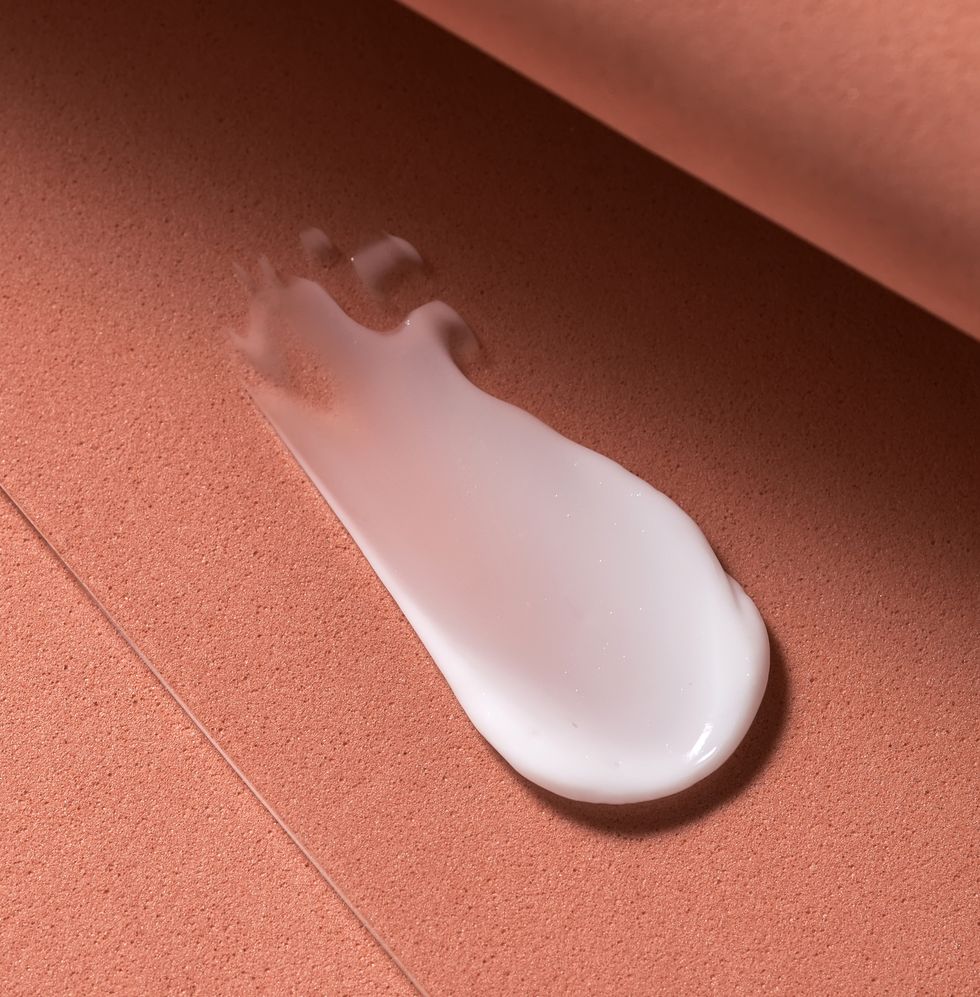
So if they work on the same principle? Why can't powder SPF replace your current pick, I hear you ask? Well, the problem is that most people aren't using enough of their cream or liquid SPFs to get the protection level on the bottle in the first place, according to Skin+Me's Consultant Dermatologist, Dr Malvina Cunningham; "In general the SPF applied corresponds to about half of the value on the label." Yikes. Two fingers of product please everyone! Think teaspoon. With powder SPF it's even harder. "To effectively use powder sunscreen, you have to apply a pretty thick layer of the powder to actually get to the concentration necessary to give you adequate sun protection,' says Dr Solish, or as aesthetician Dr Ahmed El Muntasar puts it; "To get a nice base coverage you will need to apply ungodly amounts." Tell it like it is, Doc.
The benefits of SPF powder
So, why get one? Well... hands up if you actually reapply your SPF during the day, even when you're wearing makeup? Because I hate to be the bearer of bad news, but most only offer their full protection for a few hours. It doesn't matter how religiously you slathering on factor 50 every morning, without reapplying, it means little-to-no protection by mid afternoon. Powder SPFs can be topped up over your makeup without compromising your glam. And if you're a sweaty or oily babe? They're a mattifying wonder too.
Dr Solish advises; "Powder sunscreen should be used as a reapplication or touch-up method every two hours after first applying a traditional, liquid sunscreen," singing its praises as; ideal for re-applying, ultra-light weight on the skin, never looking shiny or streaky, absorbing oil and working well for sensitive skin.
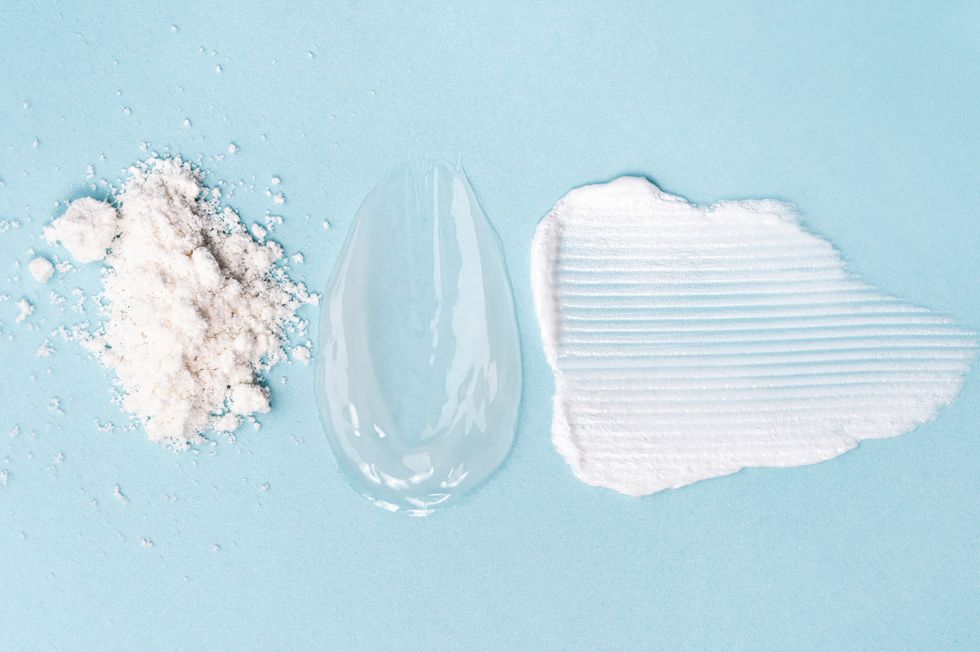
When used in place of a setting powder in your initial makeup application, it's also an additional line of defence from the start, not just a top up. This seems wise given that our liquid products may not be giving us the coverage we thought; with SPF, quantity counts.
If you aren't sold yet, they're also perfect to use in the parting of your hair, a common spot for burning, but where you really don't want to apply greasy or creamy sun defence. It even helps refresh greasy roots... win win.
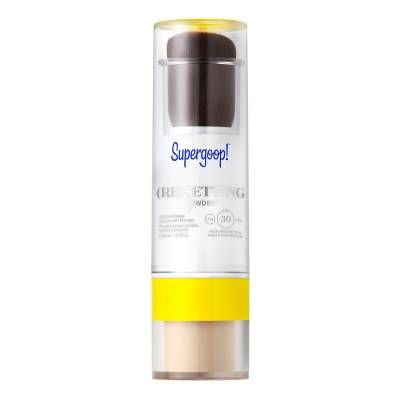
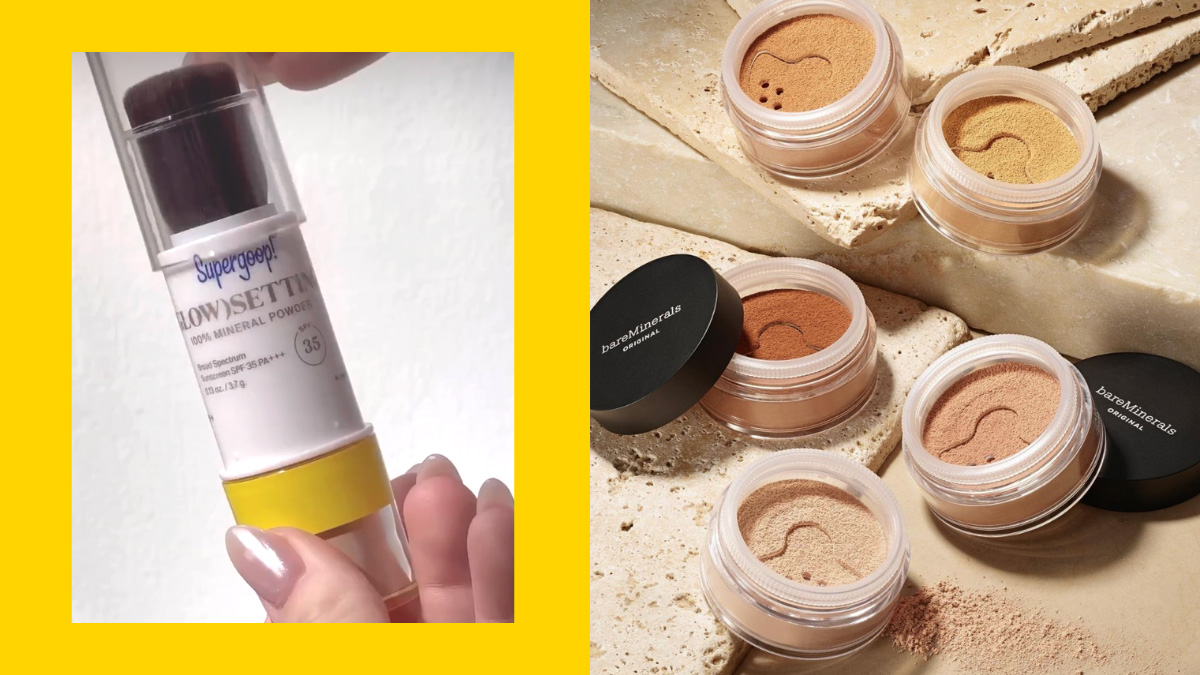
SUPERGOOP (Re)setting 100% Mineral Powder Sunscreen, P2,200, Lazada
The favourite on the team, this was the closest to translucent and applied evenly and with the most ease. It mattified and helped makeup stay in place, without looking powdery.
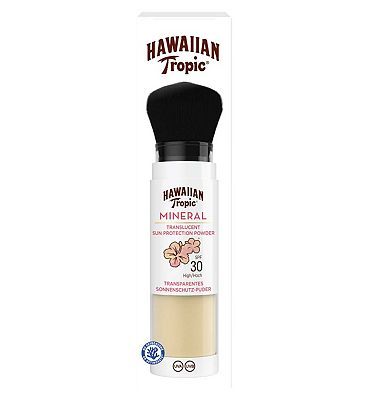
HAWAIIAN TROPIC Mineral Translucent Sunscreen Powder Brush SPF30, P1,399, Shopee
The tropical scent of this one really is even more satisfying than the price, and it mattifies
without being drying. But though branded as translucent it doesn't work for darker skin tones.
The limitations of SPF powder
So we've established it can't be your main SPF, another drawback we found was that with the standard tube x brush style, it can be quite hard to get the powder out at first, or see how much you're applying. Our tip is to get the brush saturated with powder before first using it, but if it's still not right for you, a workaround is to unscrew the brush and dip it in the powder, applying it like a traditional setting powder.
The biggest drawback is that similar to the liquid or cream SPFs that use mineral filters, one shade really doesn't fit all. Mineral filters like zinc are naturally white, which means that has to be masked with colour pigment in the product, but we aren't all one colour. Some work around this by offering shade options, meaning they can tailor to more broad skin tone groups, but typically... if your sunscreen is all mineral and one shade, you can bank on a white cast for darker skin tones. *eye roll* Someone in a lab needs to be trying harder on a solution for this, it's the 2020s people.
As well as sheer matte, ColourScience's Factor 50 powder comes in four shades; fair, medium, tan and deep. It's better than a one size fits all approach, but the deep is more of a medium/olive/tan, so it would be great to see expansion into darker skin tones.
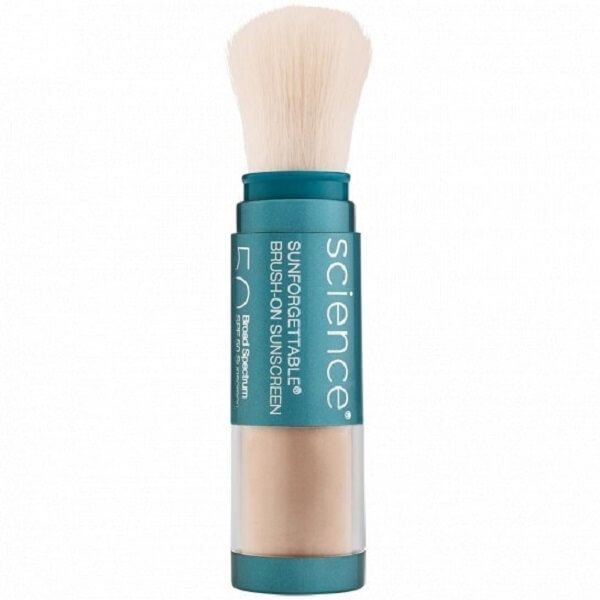
Colorescience Sunforgettable Total Protection Mineral Sunscreen Brush SPF 50, P2,800, Shopee
While work needs to be done to make it a more inclusive product type across all brands, an alternative with plenty of the same perks is powder foundation with SPF. While it may not deliver as high protection, you have a slightly broader range of formulas and skin tones to choose from.
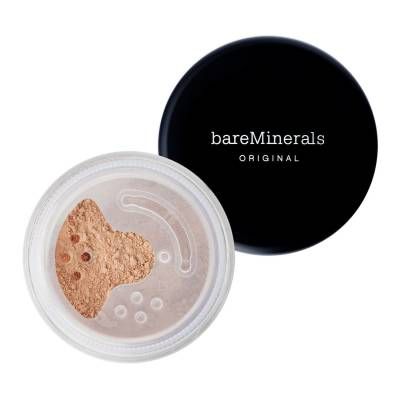
Bareminerals - Original Spf 15 Foundation - # Neutral Ivory 8g/0.28oz, P2,108, Zalora
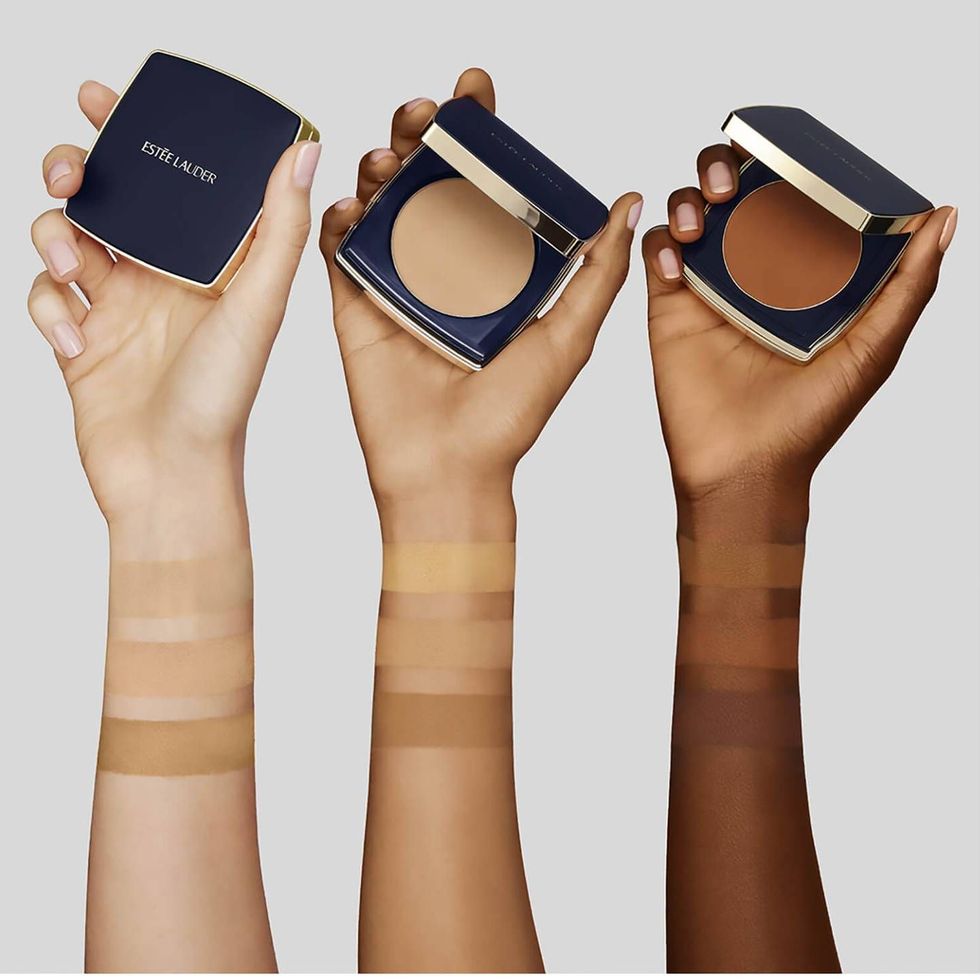
Estee Lauder Double Wear Stay-in-Place Matte Powder Foundation, P3,480, Zalora
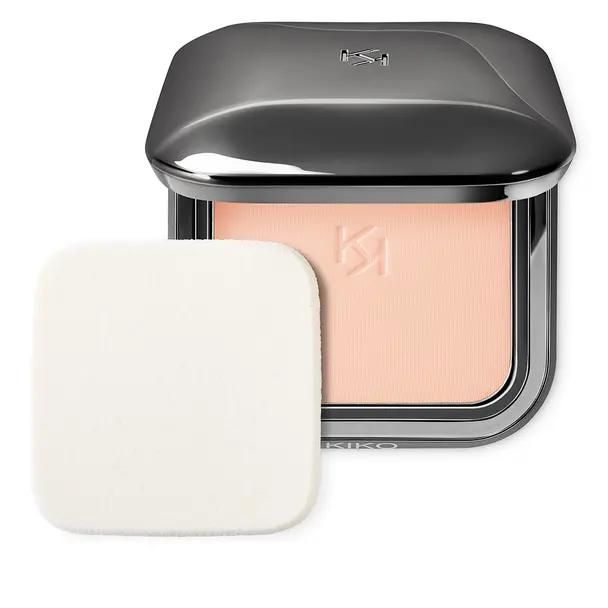
KIKO Milano Weightless Perfection Wet And Dry Powder Foundation, P1,300, Lazada
Powder SPF alternative
If you don't like a matte finish, aren't a fan of powder, or your complexion isn't catered to with powder SPF, I'd recommend mist/setting spray SPFs as a more universal touch-up hero. They come in a range of finishes from soft focus, to anti-shine, to dewy, and tend to be available in a far higher SPF. Just cover your eyes when spraying to avoid the dreaded watery eyes and sting of any SPF in the eye.
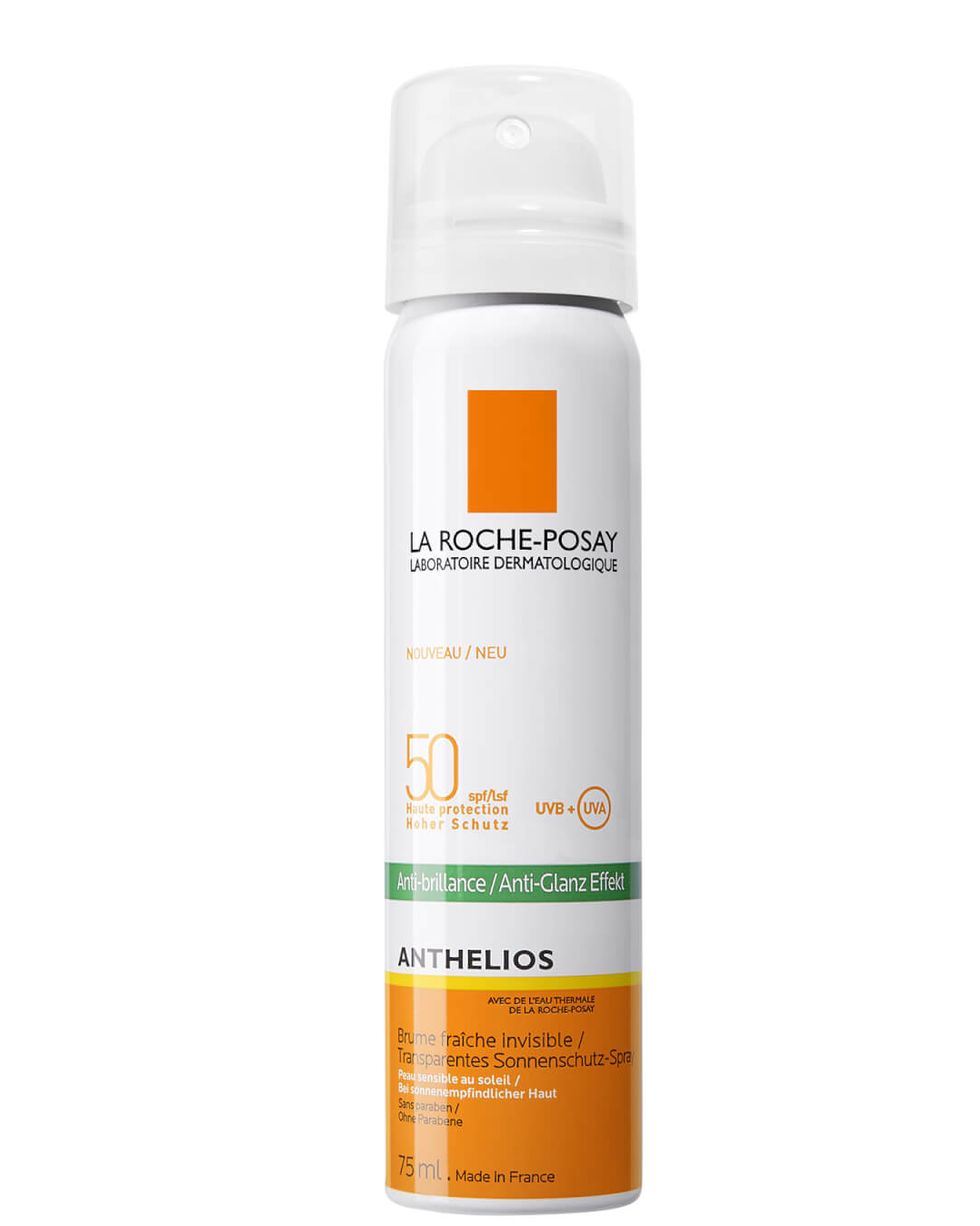
La Roche-Posay Anthelios Anti-Shine Sun Protection Invisible Mist, P1,199, Lazada
***
This article originally appeared on Cosmopolitan.com/uk. Minor edits have been made by the Cosmo.ph editors.