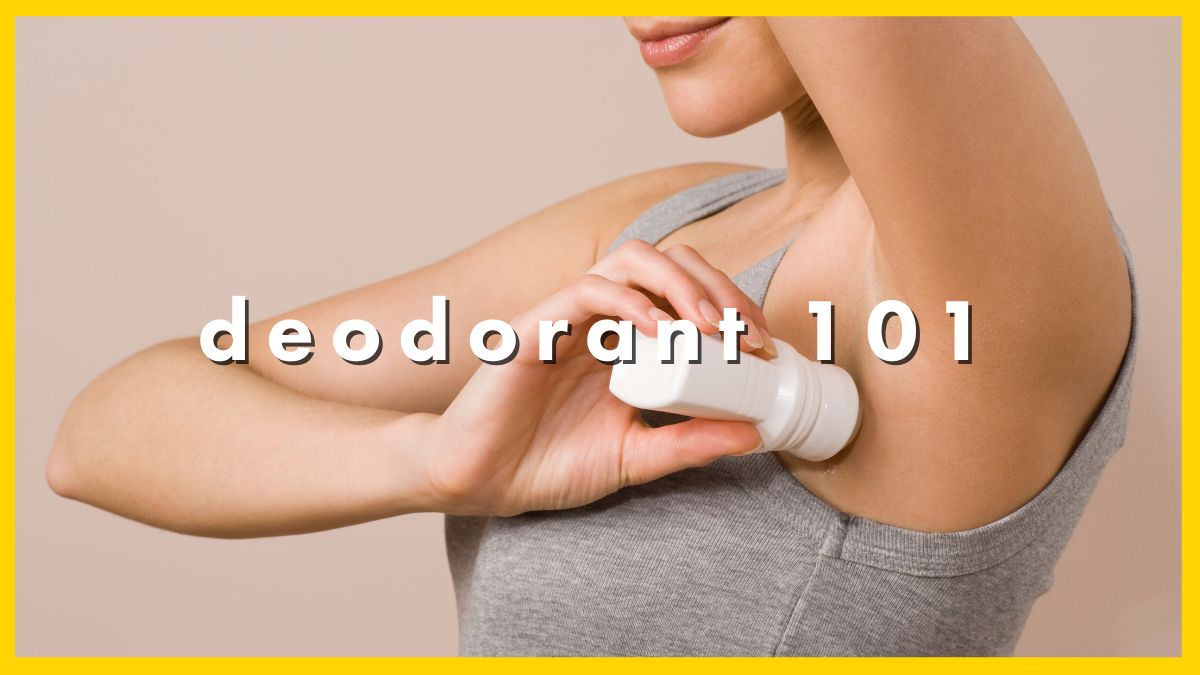
Deodorant is one of those personal care products that's key to *really* feeling fresh. We usually use it to combat sweat—which doesn't have an odor on its own, FYI—but it gets an unpleasant odor when it gets mixed with the bacteria on our skin.
Today, we'll be giving you the 411 on deodorants, from how they work, to their many variations, and some FAQs about them at the end. Keep on scrolling to learn more:

What is Deodorant?
Deodorant is a product applied to the body to combat body odor. It specifically targets the breakdown of sweat by bacteria. ICYDK, sweat itself doesn't have an actual odor, but when mixed with the bacteria on your skin, it creates an unpleasant smell.
Deodorants mainly work in two ways:
- Stops the growth of bacteria: Deodorants typically contain alcohol which creates a slightly acidic environment on your skin. This acidity makes it difficult for odor-causing bacteria to thrive.
- Masks unpleasant odors: Many deodorants in the market also contain fragrances that mask any existing body odor, leaving you smelling *and* feeling fresh.
How Deodorant Works
Deodorants primarily work by using antibacterial ingredients to reduce bacteria on the skin that mixes with sweat and produces body odor. Some formulations also contain fragrances to help mask the odor. Unlike antiperspirants, deodorants do not interfere with the body's natural sweating process.
Deodorant Variations
Roll-On Deodorant
Liquid deodorant applied with a rolling ball. Offers precise application and tends to be gentle on the skin.
- How to Use/Best For: Apply directly to clean, dry underarms. Ideal for everyday use, especially for those who prefer a quick-dry feel without residue.
- Maintenance/Storage: Store in a cool, dry place. Ensure the cap is tightly secured after each use to prevent the liquid from drying out.
- Other Tips: Allow the deodorant to dry completely before dressing to avoid stains on clothing.
Spray Deodorant
Aerosol or pump deodorant that provides a quick and even application.
- How to Use/Best For: Spritz underarms from a distance of about 6 inches. Suitable for those seeking a fast-drying option without direct contact.
- Maintenance/Storage: Keep away from direct heat or sunlight. For aerosols, check the nozzle is clear for proper spray function.
- Other Tips: Use in a well-ventilated area to avoid inhalation. Wait a few moments to dry before dressing.
Stick Deodorant
Solid deodorant applied directly to the skin. Offers a mess-free application and portable convenience.
- How to Use/Best For: Glide over clean, dry underarms. Best for active individuals looking for long-lasting odor protection.
- Maintenance/Storage: Store at room temperature to keep the stick from melting or becoming too hard.
- Other Tips: If the product becomes dry, warm it slightly against your skin before application.
Cream Deodorant
Soft, spreadable deodorant applied with fingers or a spatula. Often contains natural and moisturizing ingredients.
- How to Use/Best For: Apply a pea-sized amount to each underarm. Perfect for sensitive skin or those looking for nourishing ingredients.
- Maintenance/Storage: Keep the jar tightly closed and use within the recommended period after opening.
- Other Tips: Consider using a spatula for hygiene purposes and to control the amount used.
Wipe Deodorant
Convenient, disposable wipes infused with deodorant for on-the-go freshness.
- How to Use/Best For: Swipe across underarms as needed. Ideal for travel, post-workout, or midday refreshment.
- Maintenance/Storage: Keep the packet sealed to prevent the wipes from drying out.
- Other Tips: Can also be used to freshen up other parts of the body, making them a versatile option in your hygiene kit.
Frequently Asked Questions About Deodorant
Can I use deodorant immediately after shaving?
It's best to wait a bit after shaving as the skin can be sensitive, and some deodorants, especially those with alcohol, may cause irritation.
How long does deodorant last?
The longevity of deodorant protection varies based on the formulation and individual body chemistry. Most last anywhere from 24 to 48 hours.
Is natural deodorant as effective as traditional ones?
Natural deodorants can be effective for odor control but might require a period of adjustment as your body adapts to the absence of synthetic antiperspirants.
Can deodorant cause skin irritation?
Yes, certain ingredients in deodorants, especially fragrances and alcohol, can cause irritation or allergic reactions for some individuals. If you have sensitive skin, look for deodorants labeled "for sensitive skin" or those that are fragrance-free and alcohol-free.
Is it necessary to switch deodorants periodically?
There's no scientific evidence to suggest that the body becomes immune to a deodorant's effects, so switching products is not necessarily required. However, some people may choose to switch based on changes in activity level, personal preference, or in response to skin sensitivity.
Can I use deodorant on parts of the body other than the underarms?
While deodorants are primarily formulated for underarm use, some can be safely used on other parts of the body prone to sweating and odor, such as the feet or inner thighs. However, it's important to ensure the product is safe for use on these areas and to test a small patch of skin first for any adverse reaction.
Are there deodorants available for individuals with hyperhidrosis?
Yes, there are deodorants specifically formulated for individuals with hyperhidrosis (excessive sweating). These products often contain higher concentrations of active ingredients and may be labeled as "clinical strength." Consulting a healthcare provider for recommendations is advised for severe cases.
How can I prevent deodorant stains on clothing?
To prevent deodorant stains, allow the deodorant to dry completely before putting on clothing. Apply a thin layer of deodorant to minimize residue. Consider using a clear or gel-based deodorant that is less likely to leave marks. For existing stains, pre-treating the area with a stain remover before washing can be effective.
Are deodorant and antiperspirant the same?
No, deodorant and antiperspirant serve different functions. Deodorant targets odor by killing or neutralizing bacteria, while antiperspirant blocks sweat ducts to reduce perspiration. Some products combine both features to tackle sweat and odor together.