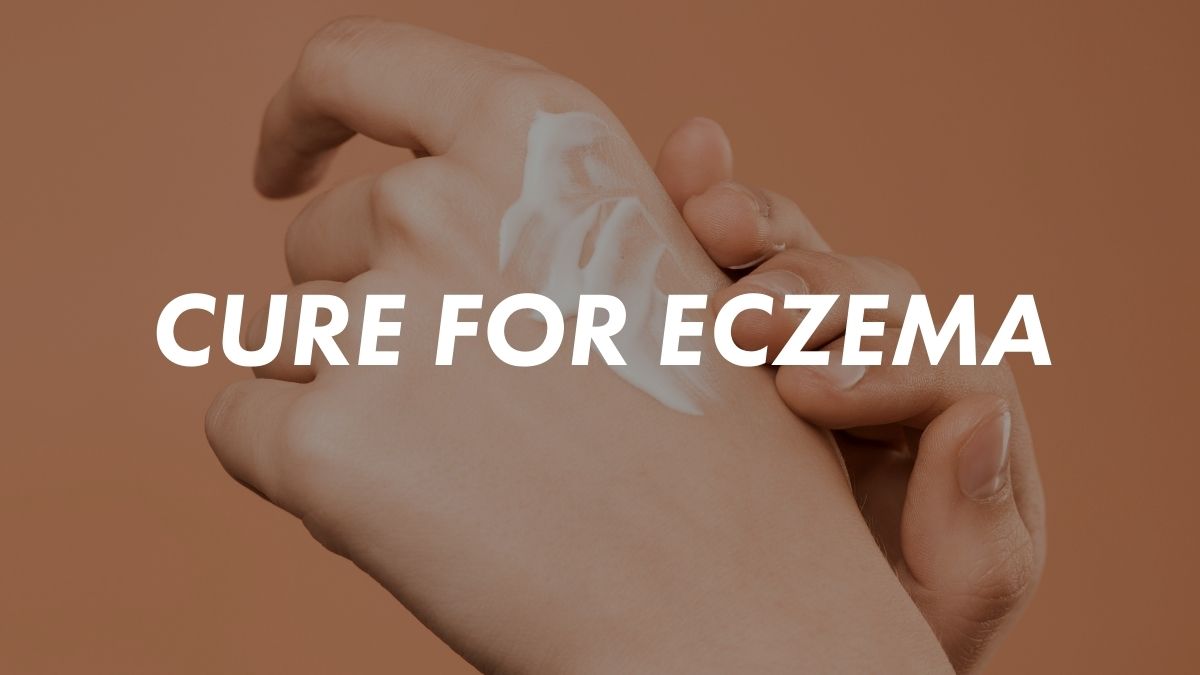
As anyone with eczema can attest (yep, me too), the itchy skin condition can be all-consuming at times. That whole cycle of relentless scratching, sweet relief for a mere minute, followed by days of scabbing, bleeding, and flaking skin–no matter how many potions you apply? Very much not a vibe. Which is why it's so exciting to hear that the National Health Service in the United Kingdom has given new eczema-eliminating drugs (which are catchily called abrocitinib, upadacitinib, and tralokinumab) the green light.
But who is able to take them? And how does it all work?
It's reported that the new tablet(s), which are endorsed by the National Institute for Health and Care Excellence (NICE), will be offered to scratchy sufferers who have previously tried alternative treatments (such as moisturizing creams and topical steroid creams) and who are over the age of twelve.
However, if your eczema is just limited to one small part of your body, then unfortunately you may not be eligible, as the guidelines suggest the tablet route is only to be an option for those who have eczema on 10 percent or more of their body surface area. It's only those who have been diagnosed with moderate-to-severe atopic dermatitis (eczema). One noted downside by some who've tried the pills is an increased risk of infection.
Dr. Padma Mohandas, a consultant dermatologist at Barts Health NHS Trust in London, told the Daily Mail that while the skin condition is common, it's not always easy to treat so this advance in medicine is offering many a great deal of hope. "In the worst cases, it's a debilitating disease that leaves patients feeling embarrassed, socially isolated, and, in extreme circumstances, suicidal.
"With these new drugs we can offer them hope that their skin will get better, which is life-changing."
Diving a little deeper into the drugs, it's said that abrocitinib and upadacitinib work by inhibiting enzymes called "janus kinases" that attack the immune system and skin, whilst helping to activate an immune defense response. Tralokinumab is slightly different as it's a monoclonal antibody drug, which sets out to block the activity of proteins called "interleukin-4" and "interleukin-13" (that cause major inflammation).
Eczema symptoms include red, dry, itchy skin, often behind the backs of the knees and in the inner elbows, or on the hands. As per the NHS, the skin condition can also "disrupt your sleep, make your skin bleed, and cause secondary infections" and impact on concentration.
***
This article originally appeared on Cosmopolitan.com/uk. Minor edits have been made by Cosmo.ph editors.
READ MORE ABOUT ECZEMA
This Skincare Product Can Trigger Eczema, According To A Dermatologist
Eczema Explained: What You Should Know About Atopic Dermatitis
I've Had Extreme Eczema All My Life And Here's What It Taught Me About Beauty