Applying sunscreen is one of the most important parts of a skincare routine—just ask any dermatologist! Aside from sunburns, exposure to the sun's UV rays can lead to premature skin aging. ICYDK, sunscreen works by either absorbing or reflecting the UV rays, which helps prevent them from penetrating your skin. There are two types of UV rays: UVA and UVB. The former is primarily the cause of wrinkles and age spots as it penetrates the deeper layers of the skin. UVB rays, on the other hand, have a shorter wavelength and are associated with skin burning.
Now, if you've been shopping for suncare products, I'm pretty sure you've encountered the term SPF countless times, but what does that exactly mean? And how much SPF do you *really* need in your sunscreen?
Ahead, we chatted with dermatologist Dr. Mara P. Evangelista-Huber during sunscreen brand Anessa's "Summer Paradise" event to give us the lowdown on sun protection!
What is SPF and how does it matter when choosing a sunscreen?
SPF stands for sun protection factor. "SPF is a measure of protection against ultraviolet B [a.k.a. UVB] rays," Dr. Mara explained. "It tells you at least how good the sunscreen is in protecting the skin from sunburn and skin cancer."
How much SPF do you need in your sunscreen?
According to Dr. Mara, it's best to look for an SPF that's "30 and above," especially if you have "existing dark marks and you don't want to age. It's better to go for a higher SPF."
What does the symbol PA mean?
While SPF refers to UVB protection, PA (a.k.a. Protection Grade for UVA) is a rating system that indicates the level of protection a sunscreen provides against UVA radiation. It was developed in Japan and is commonly used in Asian countries.
The PA rating system uses a "+" symbol to indicate the level of UVA protection provided by a sunscreen. "The more + [symbols] there are, the higher the UVA protection," the dermatologist noted. "UVA is responsible for aging, so it's good to go for high SPF with high UVA protection."
Check out the four levels of PA+ rating below:
-
PA+ - Some UVA protection.
-
PA++ - Moderate UVA protection.
-
PA+++ - High UVA protection.
-
PA++++ - Very high UVA protection.
What is broad protection SPF?
Broad-spectrum SPF is another term you'll often see on sunscreen labels. This type of sunscreen provides protection against both UVA and UVB radiation from the sun.
You can tell if a sunscreen has broad-spectrum protection by checking the label or ingredient list! Broad-spectrum sunscreens typically contain ingredients such as avobenzone, titanium dioxide, or zinc oxide.
How do I choose the right sunscreen for me?
It's always good to consider your skin type! "I've noticed that a lot of patients with sensitive skin or atopic dermatitis react to sunscreens with fragrance or high amounts of alcohol," the derm explained. "For example, gel sunscreens are very good for oily skin because they have a mattifying effect. Some of them have more alcohol than others so someone with sensitive skin might react to gel sunscreens—[it doesn't] happen all the time, but that's the reason why every formulation is different. [Personally], I love sunscreen gels, but someone with sensitive skin might not be hiyang with that."
"Mineral sunscreens—the ones with titanium dioxide or zinc oxide—are suitable for those with [sensitive skin] because they are less likely to cause reactions," Dr. Mara shared.
How much sunscreen do you really need to apply every day?
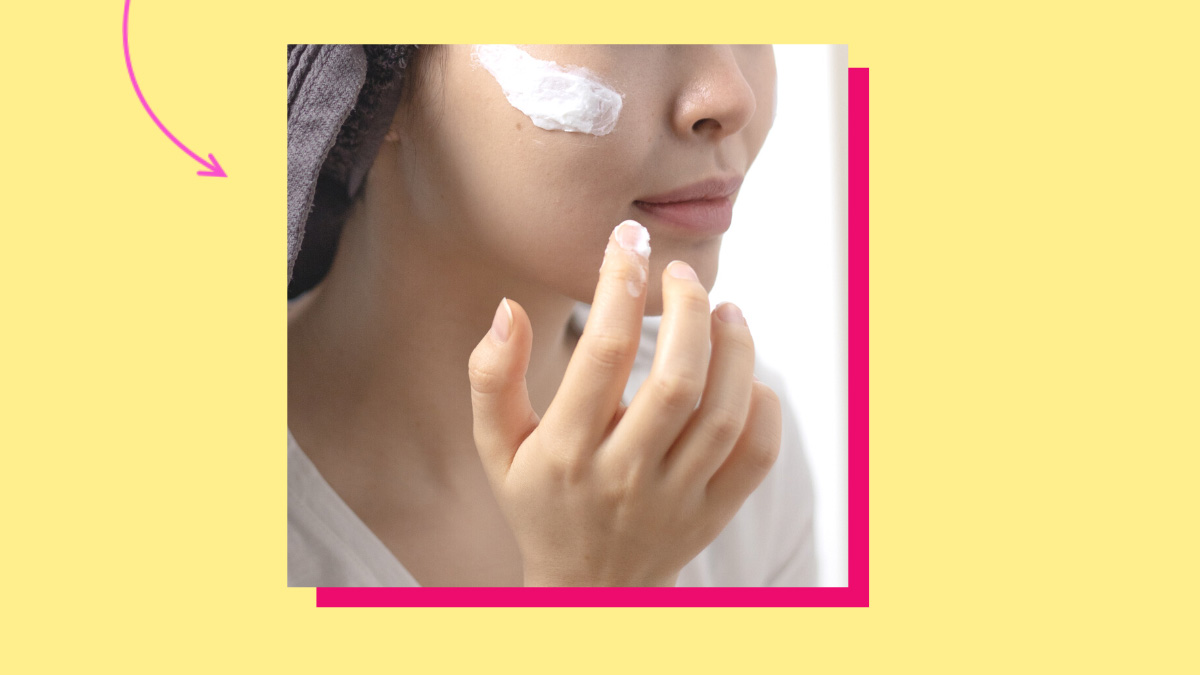
A sunscreen with high SPF won't be effective if you're applying it wrong. Have you ever heard of the two-finger method? It's a quick and easy way to estimate the amount of sunscreen that you need to apply to your face.
To do this, you simply apply sunscreen to the tips of two fingers and then spread it evenly over your face. This amount should be enough to cover your entire face, including your forehead, nose, cheeks, and chin!
Do you really need to reapply sunscreen?
The short answer? Yes! It's recommended to reapply sunscreen every two hours, or immediately after swimming, sweating, or toweling off. This is because the effectiveness of sunscreen can decrease over time, especially if it's exposed to water, sweat, or friction from clothing or towels.
READ MORE ABOUT SUNSCREENS
10 *Best* Sunscreens To Try If You Have Sensitive Skin