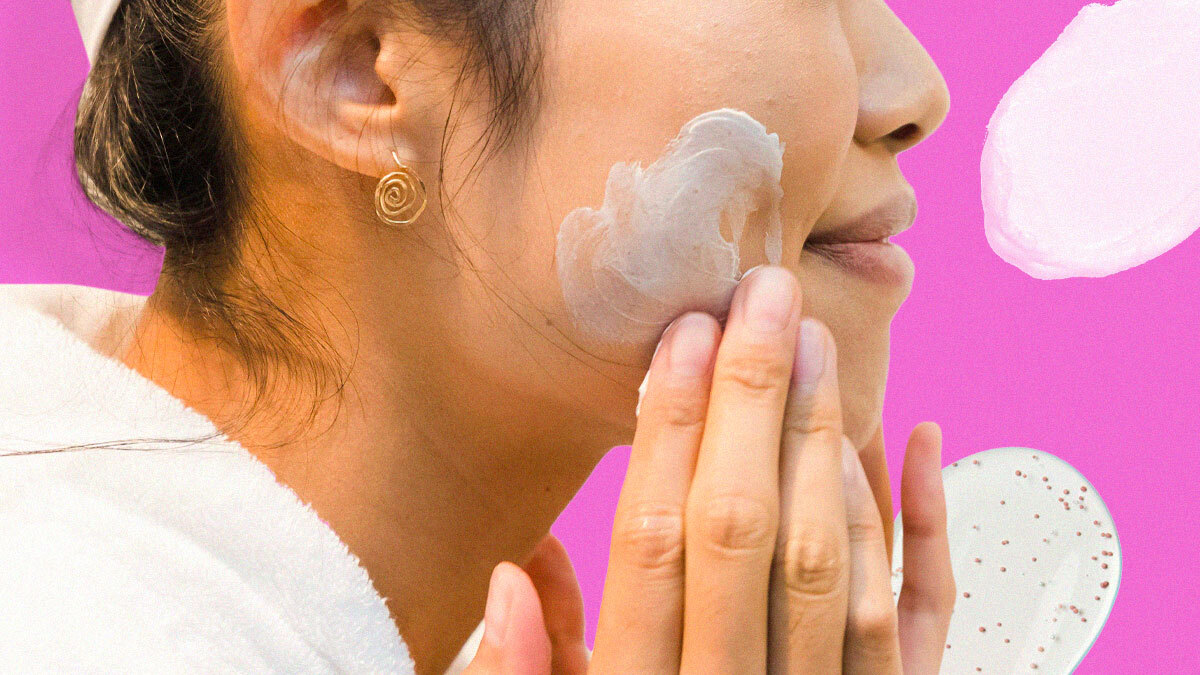
Taking care of your skin is more than just vanity: it’s an avenue of health and self-care often overlooked until recently. But with so many products, routines, and methods available, it can be overwhelming to find what works best for you.
This guide will walk you through everything you need to know about skincare routines, including waxing, shaving, epilating, exfoliating, and much more. Whether you're a beginner or looking to refine your skincare regimen, we've got you covered from morning to night.
What Is a Skincare Routine?
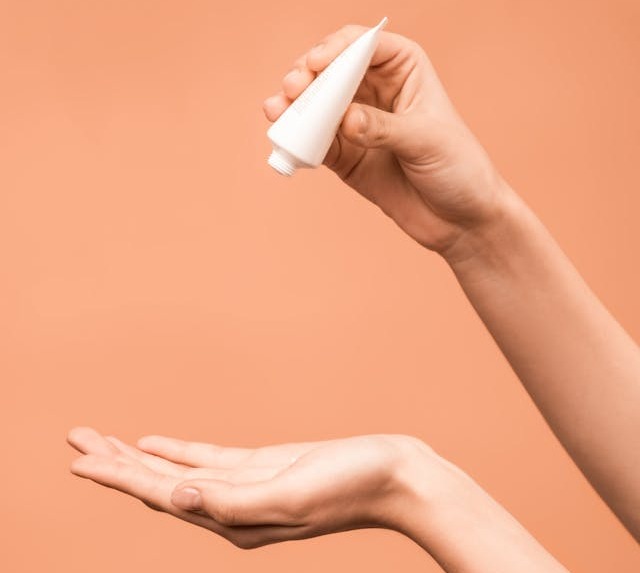
A skincare routine is a series of steps done morning and night, to care for one’s skin. The primary goal of a skincare routine is to maintain the skin’s health, appearance, and integrity. It also addresses skin concerns such as acne, dryness, aging, and hyperpigmentation.
Take a look at the following basic skincare routine steps:
- Cleansing. The first step in any skincare routine. Cleansing removes dirt, oil, and makeup from the skin, preparing it for subsequent products.
- Toning. Applied after cleansing, toners traditionally restored the skin’s pH balance and removed any residual impurities. But with better knowledge about skin and skincare, modern toners do so much more than prepare the skin to absorb moisturizers and treatments more effectively.
- Exfoliating. This step involves removing dead skin cells on the skin's surface, which can prevent clogged pores and improve skin texture. Exfoliation can be done through physical or chemical exfoliants.
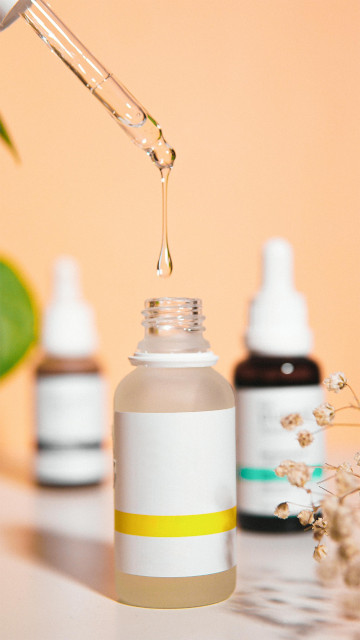
- Serums and Ampoules. These are concentrated formulas that target specific skin concerns, such as wrinkles, dark spots, or dehydration. They are usually applied before moisturizing.
- Moisturizing. Moisturizers hydrate the skin and lock in the benefits of the previous steps. They come in various forms, including lotions, creams, and gels, to suit different skin types.
- Sun Protection. Applying sunscreen every morning, even on cloudy days, is crucial for protecting the skin from harmful UV rays that can cause premature aging and increase the risk of skin cancer.
How Skincare Routine Works for Your Skin
The key to an effective skincare routine is consistency and choosing the right products for your skin type. A skincare routine systematically nurtures your skin, addressing various needs to keep it healthy and radiant.
It starts with cleansing. A basic cleanser eliminates surface impurities and removes excess sebum. Some multifunctional cleansers can also gently exfoliate or brighten skin.
Toning follows cleansing. Modern toners do more than simply “tone” or adjust the skin’s pH. They do anything from hydrating, exfoliating, brightening, to regulating sebum production. Toners are used to “tone,” or balance the skin's pH and refine its texture.
It’s thanks to advancements in skincare science and technology. Old cleanser formulations, while effective at washing off dirt and sebum, were incredibly harsh and stripping.
The previous formulas of cleansers use strong sulfates, which are deeply alkaline or basic. The skin’s natural pH is slightly acidic, so it’ll be happiest when it stays slightly acidic. Toners were meant to bring back the skin's pH level after using a basic cleanser.
However, newer cleansers are specifically formulated to be gentler on the skin. Brands use milder sulfates and pH adjusters to keep the final product’s pH level low and slightly acidic. Nowadays it’s normal to see cleansers with a pH of 4.5 to 5.5.
After toning comes the treatments. You can use products such as serums and ampoules to target specific concerns here. Skincare products used in this step may exfoliate, hydrate, brighten, soothe, or promote firmness and elasticity.
The last steps in a typical skincare routine are moisturizing and sunscreen. A good moisturizer is crucial in sealing in all the hydration from the previous steps and preventing transepidermal water loss. Meanwhile, sunscreen is essential in the mornings to protect the skin from sun damage.
Understanding Your Skin Type
Knowing your skin type is the cornerstone of effective skincare. Here's a brief overview:
- Dry Skin. Often feels tight and may show flakiness or dry and red patches. It requires deeply hydrating products and an effective occlusive moisturizer to restore moisture balance.
- Oily Skin. Characterized by excess sebum production. Skin looks greasy, pores are large and visible, and acne-prone. Seek out lightweight, non-comedogenic formulas, such as gel-type moisturizers and cleansers.
- Combination Skin. Exhibits traits of both oily and dry skin, typically with an oily T-zone and dry cheeks. Balance is key, using products that normalize the skin. Those with combination skin can also mix and match products and use them on target areas. For example, apply lightweight products on the T-zone and use heavier creams on dry patches.
- Sensitive Skin. Skin turns red or breaks out easily. Reacts easily to certain skincare ingredients and environmental factors. Opt for gentle, fragrance-free formulas, and always do a patch test on the jawline.
Skincare Routine for the Face
Korean Skincare Routine
The Korean skincare routine is known for its comprehensive approach. It blew up the beauty and skincare industry for having at least 10 skincare routine steps.
- Oil Cleansing. Asian beauty popularized the double cleansing method, which includes a two-step cleansing starting with an oil-based cleanser. Oil cleansers are more effective in removing sunscreen, waterproof makeup, and sebum. Many oil cleansers are emulsified and rinsed off with water.
- Second Cleansing. The second step in the double cleansing method uses a mild water-based cleanser to remove whatever residue was left from the first step. This ensures a thorough cleanse.
- Exfoliating. Used one to two times a week to deep clean pores and remove dead skin cells, making way for fresher skin and improving texture. Chemical exfoliators with AHA, BHA, or PHA products are preferred, but there are also gentle physical exfoliators such as enzyme powders and konjac sponges.
- Toning. Replenishes hydration and prepares the skin to absorb the next products more effectively.
- Essence. A key step unique to Korean skincare. Essences are a hybrid of toners and treatment serums or ampoules. Essences have more body than toners but are less potent than serums. Essences give a huge hydration boost and are responsible for the coveted glass skin glow.
- Treatments (Serums, Boosters, Ampoules). Concentrated products that target specific skin concerns such as aging, pigmentation, and acne.
- Sheet Masks. A popular K-beauty trend, sheet masks provide intense hydration and specific treatment benefits.
- Eye Cream. Eye creams are specially formulated to address the delicate eye area's concerns, like dark circles, puffiness, and wrinkles.
- Moisturizer. Seals in moisture and strengthens the skin barrier. This is the key to maintaining healthy, hydrated skin.
- Sunscreen. Protects the skin from harmful UV rays, preventing premature aging and maintaining even skin tone.
Best For
Individuals who want to pamper their skin and have the time to go through a lengthy skincare process.
Maintenance
Consistency is key, with adjustments based on the skin’s changing needs.
Tips
Start slowly by incorporating products one at a time into your routine, allowing your skin to adjust. Avoid constantly changing products; allow at least two weeks of continued use to see if the product produces the desired effect.
Morning Skincare Routine
A morning skincare routine is designed to protect skin from environmental aggressors encountered throughout the day. It usually includes cleansing, moisturizing, and applying sunscreen.
- Cleansing. Gently removes any impurities or residue from the night, preparing the skin for daytime products.
- Toning. Brings back some of the hydration lost during cleansing and preps the skin for the next steps.
- Treatment. Optionally, you can use lightweight serums and ampoules meant for day use. Examples include vitamin C serums, niacinamide serums, or skin-soothing serums with panthenol and allantoin.
- Moisturizing. Locks in hydration and keeps the skin moisturized throughout the day. A lighter formula is preferred for daytime use especially in summer, for those in warmer climates, and for people with oily skin.
- Sun Protection. Sunscreen is a must—even when it’s cloudy outside or you’re just staying indoors. Reapply every two to four hours especially if you sweat a lot.
Best For
All skin types.
Maintenance
Daily application is essential to ensure continuous protection.
Tips
Morning routine skincare regimens should build up or extend the effects of the previous night’s skincare routine. Save your heavier, richer formulas for nighttime use.
Nighttime Skincare Routine
Focused on repair and hydration, a nighttime routine often includes makeup removal, cleansing, applying treatments or serums, and intensive moisturizers or oils. Nighttime skincare routine steps vary little from daytime; nighttime skincare routines favor richer ingredients and forgo sunscreens.
- Double Cleansing. Start with an oil-based cleanser followed by a water-based cleanser to remove all traces of makeup, sunscreen, and pollutants.
- Exfoliating. It’s advisable to use exfoliants at night to protect the skin from the sun.
Toning. Rehydrates skin and preps it for the next steps. - Serums and Treatments. Targeted products applied post-cleansing to address specific skin issues such as aging, hyperpigmentation, or acne.
- Eye Cream. Nourishes and protects the delicate eye area, targeting concerns like fine lines and dark circles.
- Moisturizer, Night Cream, or Facial Oil. A richer formula is applied at night to deeply hydrate and repair the skin while sleeping. Those with dryer skin may top off their moisturizer with facial oil.
Best For
Repairing daily environmental damage and deep hydration.
Maintenance
Nightly, to aid in the skin’s natural regeneration process.
Tips
Serums and ampoules provide the most potent ingredients out of all the skincare products. It’s better to invest more in serums and treatments if you’re looking to target a specific concern.
7-Skin Method
The 7-skin method is another variation of the Korean skincare routine. While it looks as laborious as the original 10-step routine, the 7-skin method is simpler, faster, and arguably cheaper because it uses fewer products.
- Double Cleansing. This method also starts with a double cleanse. Start with an oil or oil-based cleanser then follow with a water-based cleanser.
- Toning. The toner is applied while the skin is still slightly damp. You can use either a cotton pad or your hands, although patting toner with your hands is gentler on the skin and uses less product.
- Repeat Toning. While the skin is still damp, apply another small amount of toner on the face. Repeat this step until the seven layers of toner have been applied.
- Treatments (Serums, Boosters, Ampoules). You may apply any treatment products to nourish the skin.
- Moisturizer and Sunscreen. The last steps in the routine will lock in moisture and protect against sun damage. Do note that sunscreen is only meant for day use.
Best For
Individuals who want plump, hydrated skin but don't want to buy 10 other products or don’t have the time for extra steps.
Maintenance
Everyone’s skin is different, so it’s best to listen to its needs. Some individuals might prefer to layer toner just a few times or even more than 7 times. You may also skip the layering on some days when you feel like your skin doesn’t need it.
Tips
Many hybrid and multifunctional toners can also exfoliate, brighten, and combat acne. You can choose to layer one toner product or several products to target different concerns, such as face exfoliating or oil-controlling toners.
Skincare Routines for the Body
Hair Removal Techniques
The different methods of hair removal include shaving, depilatory creams, plucking, waxing, threading, sugaring, epilating, laser hair removal, and electrolysis. Each of these comes with a level of efficacy, cost, and discomfort.
- Depilatory Creams. Depilatory or hair removal creams use active ingredients, such as thioglycolic acid. These active ingredients break down the hair’s natural protein called keratin. Depilatory creams are painless, with different variants for specific body areas.
- Electrolysis. Electrolysis uses a thin wire inserted into the hair follicle. A mild electric shock is sent to the hair follicle, killing it. The dead hair is removed by tweezers afterward. Electrolysis is currently the only US FDA-approved method to permanently remove unwanted hair.
- Epilating. An electrical device (epilator) grasps and pulls out multiple hairs by the root. An epilator will have a head with multiple tweezer-like ends. Although it can be painful, it results in smooth skin for a longer period than shaving.
- Laser Hair Removal. This method uses a handheld device that emits light that is absorbed by the hair’s melanin. This light becomes heat, which in turn damages the hair follicles. This slows down hair growth.
- Plucking. A hair removal method that uses tweezers to pull out individual hairs. Hairs can break off when plucked incorrectly. This is typically used to clean up stray hairs on the eyebrows, upper lip, and underarms.
- Shaving. The process of removing hair at the skin's surface using a razor. Shaving is quick and easy but offers short-term results, with hair typically regrowing within a few days.
- Sugaring. Similar to waxing but uses a sugar-based wax. It’s usually applied cold, making this method less prone to burns. It is also suitable for various body parts but typically advisable for larger areas such as the legs, arms, and back.
- Threading. Threading is a hair removal technique popular in Central and Southeast Asia. A professional uses a long twisted thread and skillfully rolls it over the hairs and pulls from the roots. While plucking can pull single hairs, threading can pull out a row of hair at once, making it a favorite hair removal option for the eyebrows and upper lip.
- Waxing. A hair removal method that uses paraffin-based hot wax to pull hair out from the root. Suitable for various body parts, waxing provides longer-lasting results compared to shaving.
Best For
Various techniques are best suited for different body areas, hair types, and individual pain tolerance.
Maintenance
Maintenance varies; shaving requires almost daily attention, while laser hair removal can offer longer maintenance treatments.
Tips
Exfoliating before removing hairs can help prevent ingrown hairs. Post-treatment, apply soothing lotions or aloe vera to calm the skin.
Skin Exfoliation
Exfoliation involves removing dead skin cells from the surface to reveal fresher, brighter skin. It can be achieved mechanically or chemically through scrubs, acids, or enzyme-based products.
- Face Exfoliating. Involves removing dead skin cells from the face using physical scrubs or chemical exfoliants. This process unclogs pores, improves skin texture, and enhances product absorption.
- Body Exfoliating. Similar to facial exfoliation but can be applied to the entire body. It's essential for maintaining smooth, healthy skin and preventing ingrown hairs.
Best For
Those looking to improve skin texture, unclog pores, and enhance product absorption.
Maintenance
Depending on skin sensitivity, exfoliation can be done 2-3 times weekly for optimal results.
Tips
Avoid over-exfoliation to prevent skin barrier damage. Always follow up with a moisturizer to hydrate the skin.
Hair Care Routine
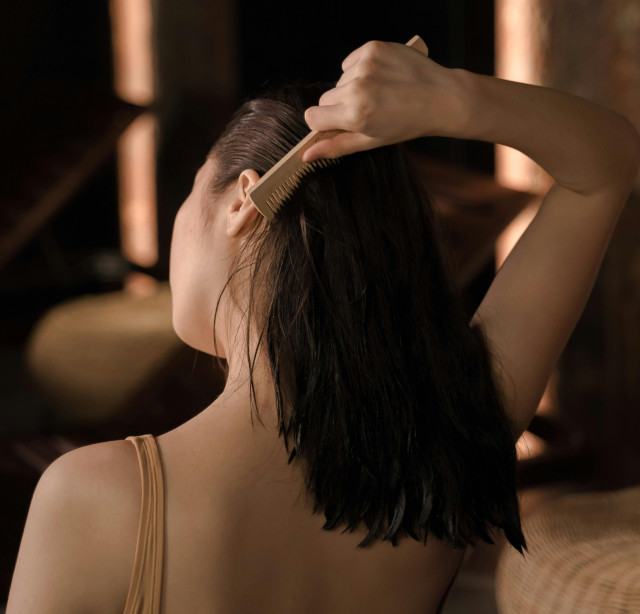
A regimen designed to clean, moisturize, and treat the scalp and hair, which may include shampooing, conditioning, deep conditioning, and applying scalp and hair treatments.
Best For
Maintaining hair health, addressing scalp issues, and improving hair appearance.
Maintenance
Frequency of hair washing varies by hair type, but treatments like deep conditioning are recommended weekly.
Tips
Use sulfate-free shampoos to avoid stripping hair of natural oils, and minimize heat styling to prevent damage.
Frequently Asked Questions
How often should I exfoliate my face?
Generally, one to two times a week is recommended, adjusting based on your skin's tolerance.
Can I use the same products for my morning and nighttime routine?
While some products can be used for both, night routines may include heavier moisturizers and targeted treatments unsuitable for day use. (Example: Retinol can only be used in the evening. Sun exposure may irritate the face.)
What is the best way to remove facial hair?
The best method varies by skin type and personal preference. Options include threading, waxing, shaving, or laser treatments.
How can I determine my skin type?
Observe how your skin feels and behaves throughout the day (e.g., oily, dry, or a mix). For a precise assessment, consult a dermatologist.
Is it necessary to use a different moisturizer for day and night?
Yes, day moisturizers are typically lighter and contain SPF, while night moisturizers focus on repair and hydration without SPF.