We may earn commission from the affiliate links on this page, but we only recommend products and services we love. We promise!
Acne knows no age, occasion, or situation—sometimes, it just strikes when you least expect it. It's a skin condition that affects almost everyone, popping up for a variety of reasons (and always at the most inconvenient times *sigh*). Thankfully, though, there are plenty of ways to deal with it. Depending on the type of acne you have, you can turn to topical solutions, prescriptions, or facial treatments that specifically target breakouts. And the best part? There are also ways to tackle the aftermath it leaves behind, so your skin can bounce back better than ever.
What Is Acne?
Acne is an inflammatory skin condition that happens when hair follicles become clogged. Normally, in healthy skin, our oil glands are able to secrete oil through the pores connected to our hair follicles. Hair follicles are located under the skin, and they contain fine hair and are lined with skin cells called keratinocytes. In healthy skin, as the body sheds dead skin cells, the keratinocytes that line the follicle rise to the surface of the skin—this, along with the healthy secretion of oil, keeps our skin moist and supple.
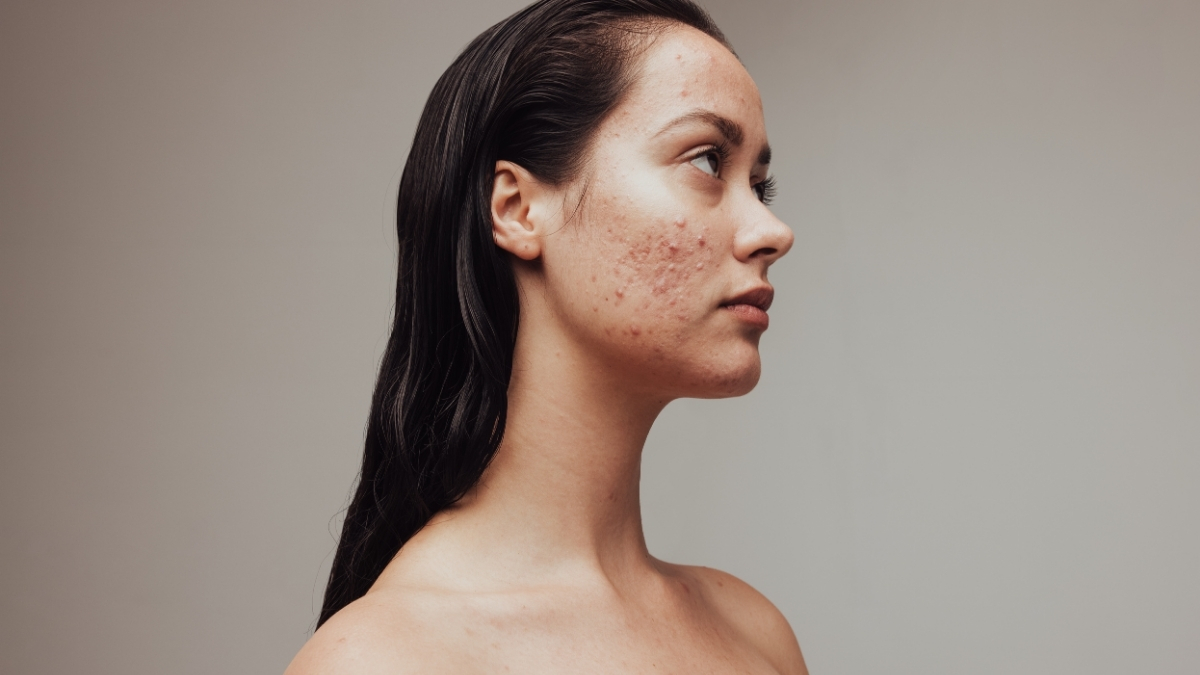
However, for people with acne, the hair, oil, and keratinocytes stick together inside the pore. This blockage prevents the skin cells from coming to the surface and the oil from reaching the surface of the skin, and it also becomes prime grounds for bacteria to grow and cause an inflammation. This inflammation eventually causes pimples to appear on the skin, as well as swelling, redness, heat, and pain.
What Are The Different Types Of Acne? How Can I Treat It?
There are four major types of acne, depending on what exactly causes the irritation and how it manifests.
Comedonal Acne
Comedonal acne is commonly known as whiteheads or blackheads. These form when hair follicles become clogged with oil and dead skin cells. The difference? Whiteheads are clogged pores that remain closed beneath the skin, while blackheads are clogged pores that reach the surface, where exposure to air causes the debris to oxidize and turn dark. That's why blackheads have their color—not because they're dirty!
Hormonal Acne
Hormonal acne is often associated with polycystic ovarian syndrome (PCOS) and other conditions that affect hormone levels. It typically occurs when fluctuations in androgens (like testosterone) lead to increased sebum (oil) production, making the skin more prone to clogged pores and breakouts. While excess testosterone can contribute to acne, it's actually the overall imbalance of hormones—particularly androgens—that plays a key role.
Nodulocystic or Nodular Acne
Nodulocystic acne, or nodular acne, is a severe form of acne. Like other types, it's triggered by excess oil production, but it tends to be more inflamed, painful, and deep-seated. The nodules it forms can also lead to scarring, making it especially important to consult a dermatologist for proper treatment. This not only ensures safer, more effective treatments but also helps prevent or minimize scarring.
Fungal Acne
Fungal acne occurs when the skin is exposed to a type of yeast that triggers inflammation. Unlike regular acne, which is caused by clogged pores and excess oil, fungal acne is actually an infection—specifically, Malassezia folliculitis—resulting from an overgrowth of yeast in the hair follicles.
Is Acne The Same As Pimples?
The short answer is no—acne is not the same as pimples. The simplest way to explain it is this: acne is a skin condition, while pimples are one of its symptoms. Pimples are skin lesions caused by clogged pores and are considered blemishes. However, having pimples doesn’t automatically mean you have acne, as they can be caused by other factors like bacteria, skin irritation, hormones, or stress.
How Can I Treat Acne? What Are The Different Solutions For Acne?
Consult your dermatologist.
The cure for acne is as varied as its causes. Before you try any of these, it's important to consult a doctor or a dermatologist in order to understand the kind of acne you have. While treatments range from topical creams to oral treatments and facial treatments, understanding the cause of your acne and creating a customized treatment plan with a dermatologist is the best way to get to the root of the problem.
Topical Treatments
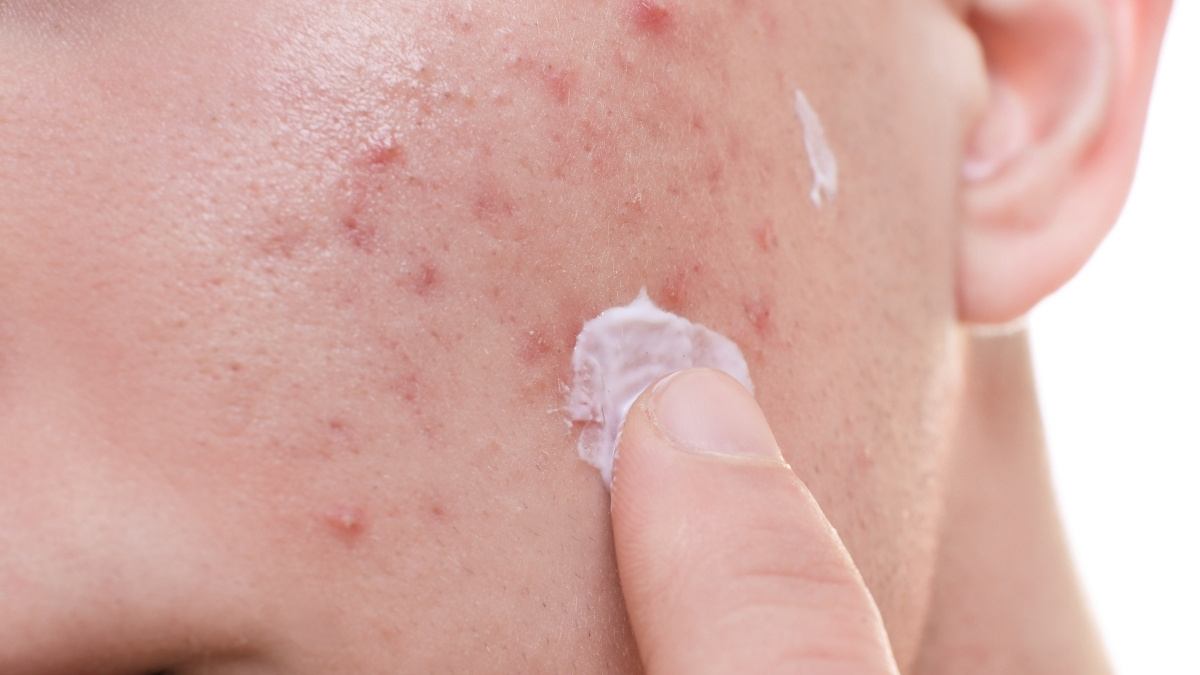
Benzoyl peroxide and salicylic acid are the two most popular ingredients against non-inflammatory acne. These ingredients are also found in a number of skincare products to prevent acne.
Oral Treatments
When it comes to hormonal acne and fungal acne, the best solution is to consult your dermatologist. Depending on your specific acne condition, you may be prescribed oral treatments such as etracycline, doxycycline, and isotretinoin. You may also be advised to get topical treatments with prescription-grade retinol.
Facial Treatments
Dermatology and aesthetic clinics may also offer treatments such as facials, peels, and lasers to manually remove acne or to address the marks it leaves behind.
There may not be a "one size fits all" solution to acne, but there is definitely a road custom-made for each one towards clearer skin.
Product Recommendations For Acne-Prone Skin
Caudalie Vinopure Blemish Control Salicylic Serum
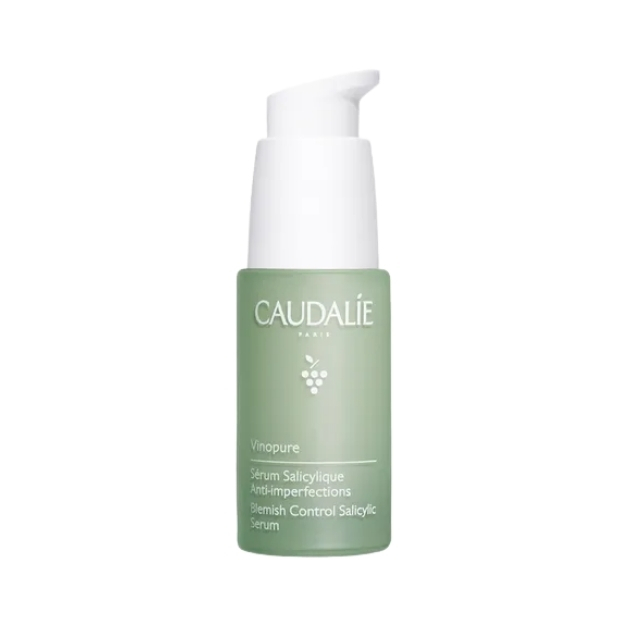
Caudalie Vinopure Blemish Control Salicylic Serum, 30mL, P2,700, Sephora
Salicylic acid helps with oil control and stop acne before it begins. After cleansing your face and prepping with toner, it's best to stop the development of blackheads and whiteheads with a skin-clearing serum that offers the effectivity of salicylic acid with soothing properties.
Oxecure Acne Clear Facial Cleanser
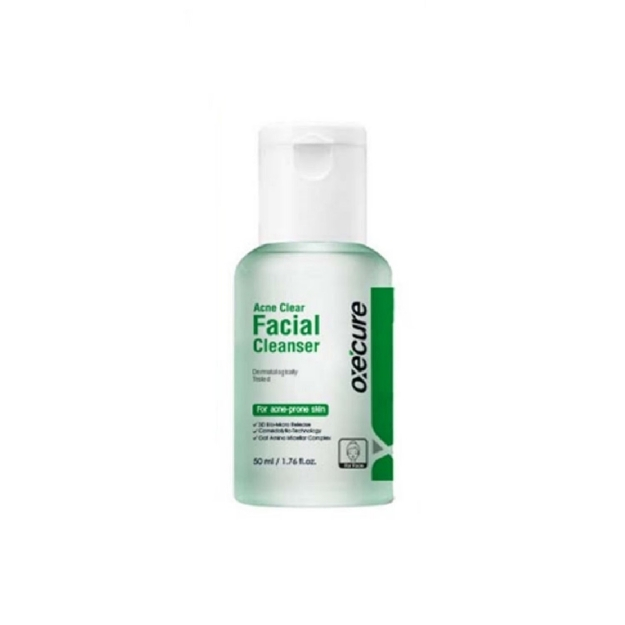
OXECURE Acne Clear Facial Cleanser, 50mL, P159 from P199, Watsons, P179 from P199, Shopee
When dealing with acne on a deeper level, it's best to go on a gentle route. Your skin is already irritated, so don't get aggressive! Instead, opt for cleansing the helps your skin feel refreshed and calm.
The Body Shop Tea Tree 3-in-1 Wash, Scrub, & Mask
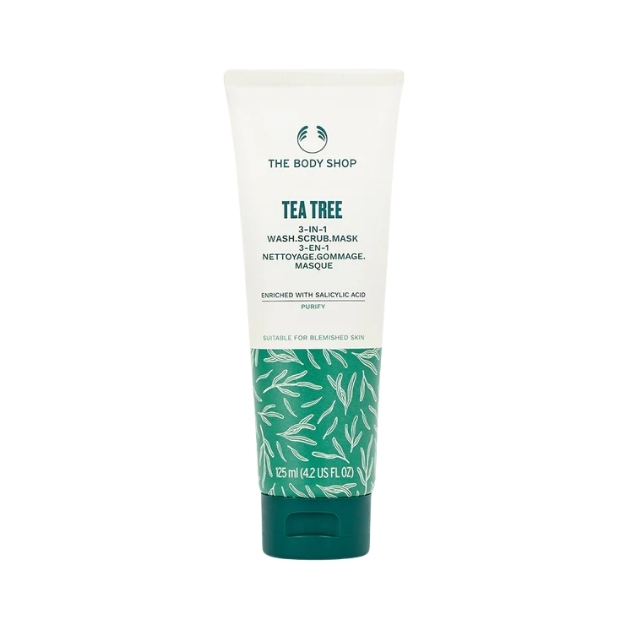
THE BODY SHOP Tea Tree 3-in-1 Wash, Scrub & Mask, 125 mL, P876 from P1095, The Body Shop, Shopee
If acne plagues you especially during travels, it's best to bring a product that serves multiple functions so you don't worry about zits on the go. Tea tree is another ingredient that's lauded for its pimple-drying capabilities without causing irritation.
Supergoop! Every. Single. Face. SPR-Shield Watery Lotion SPF 50
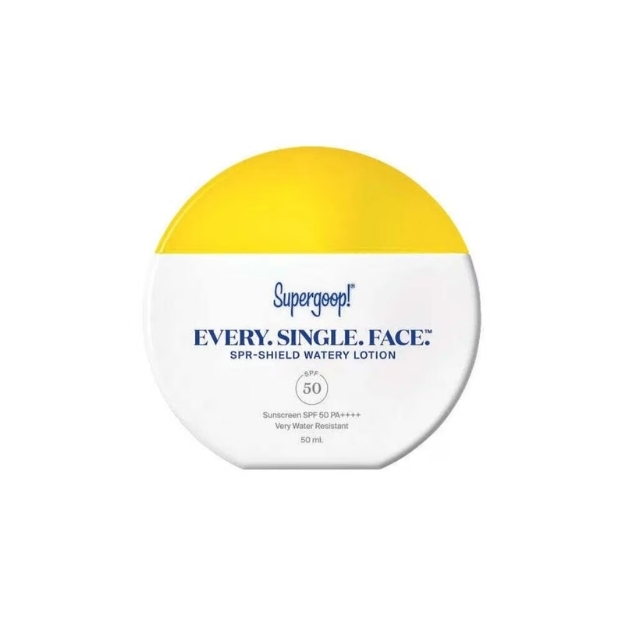
SUPERGOOP Every. Single. Face. SPR-Shield Watery Lotion SPF 50, 50 mL, LOOK At Me
It's a known fact that sun exposure can aggravate the skin. Seal in all your good habits with an SPF that blocks irritants and keeps future pimples at bay.
Links are updated regularly and as much as possible but note that products can run out of stock, discounts can expire, and listed prices can change without prior notice.
For more discounts and deals, check out Cosmopolitan Philippines' exclusive vouchers.