
We may earn commission from the affiliate links on this page, but we only recommend products we love. We promise!
If there’s one product you must absolutely apply every single day, sunscreen would have to be it. And yes, we know that it can feel malagkit at times and it might even leave a white cast, but the perks of wearing it far outweigh the cons. Not only does it save the skin from stinging sunburns, but it also protects from premature photoaging and risks of skin cancer.
But when choosing the best sun protectant, should you go for sunscreen or sunblock? Is there a difference between the two? Is one better than the other? And how do you decide which one is best for you? Let’s discuss.
Sunblock Vs. Sunscreen
While these terms are almost always used interchangeably, sunblock and sunscreen are actually quite different from one another.
In terms of function, sunblock (also called mineral or physical sunscreen) acts as a physical barrier that literally blocks UV rays. In contrast, sunscreen (or chemical sunscreen) works like a sponge that absorbs and filters UV light before it could penetrate the skin.
As such, these products also differ in chemical composition. Sunblock ingredients often include zinc oxide or titanium oxide, while a typical sunscreen usually relies on chemical ingredients like avobenzone, oxybenzone, and para-aminobenzoic acid (PABA) to filter out UV light.
These sunblock and sunscreen differences also mean that each has to be applied in a specific way. Since sunscreen must be absorbed by the skin before it could work its magic, the product would have to be rubbed in during application. As for sunblock, this physical protectant just needs to be slathered evenly on the skin.
So How Do You Choose Between The Two?
The choice would have to depend on your skin sensitivity and personal preferences. If you have sensitive skin, some dermatologists advise going for sunblock. This is because the hero ingredients of a physical sunblock, zinc oxide or titanium oxide, are gentle enough even for kids’ use. Whereas certain ingredients in a chemical sunscreen can trigger irritations and reactions, especially if you have skin allergies or conditions like rosacea.
The only downside to sunblock is that, since it sits on top of your skin to block UV light, it tends to leave a white cast and a greasy feel. In contrast, a chemical sunscreen might feel more comfortable for daily wear as it is designed to be absorbed into the skin.
Should You Wear Sunblock Or Sunscreen Daily?
Absolutely! It’s a common misconception that you only need to wear suncare products when you’re going out and are likely to get direct sun exposure. The truth is that our skin still needs protection from UVA and UVB when we’re indoors or even when it’s cloudy and raining. This constant light exposure causes damage to the skin over time in the form of photoaging and hyperpigmentation.
Sunscreens and sunblocks also protect against melanoma or other forms of skin cancer. According to the Skin Cancer Foundation, regular use of sunscreen with SPF 15 or higher can reduce the risk of melanoma by 50 percent.
If you’re on the lookout for your go-to sunscreen, consider adding the following products to your cart:
-
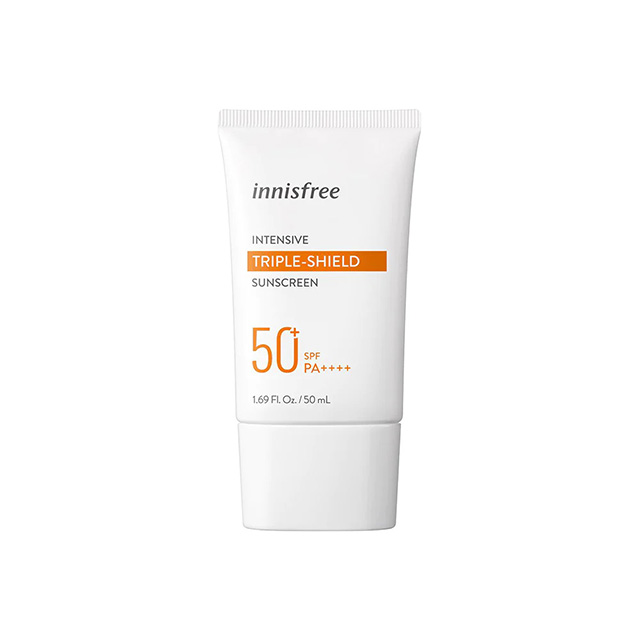
Physical Sunscreen: Innisfree Intensive Triple Shield Sunscreen
This physical sunscreen has SPF 50+ and a PA++++ rating that will not only block UV rays but also the damaging blue light that comes from laptop screens and other devices. It comes with a waterproof formula that claims to hold up even when swimming or doing water activities.
 ADVERTISMENT - CONTINUE READING BELOW ↓
 -
Physical Sunscreen: Beach Hut Max SPF100++ Sunscreen
If you’re planning on going to the beach this summer, carry this Beach Hut lotion for some much-needed sun protection. This all-around sunblock comes with SPF 100 to help you avoid a nasty sunburn. It promises to be non-sticky and quick-drying on the skin, too.
 ADVERTISMENT - CONTINUE READING BELOW ↓
 -
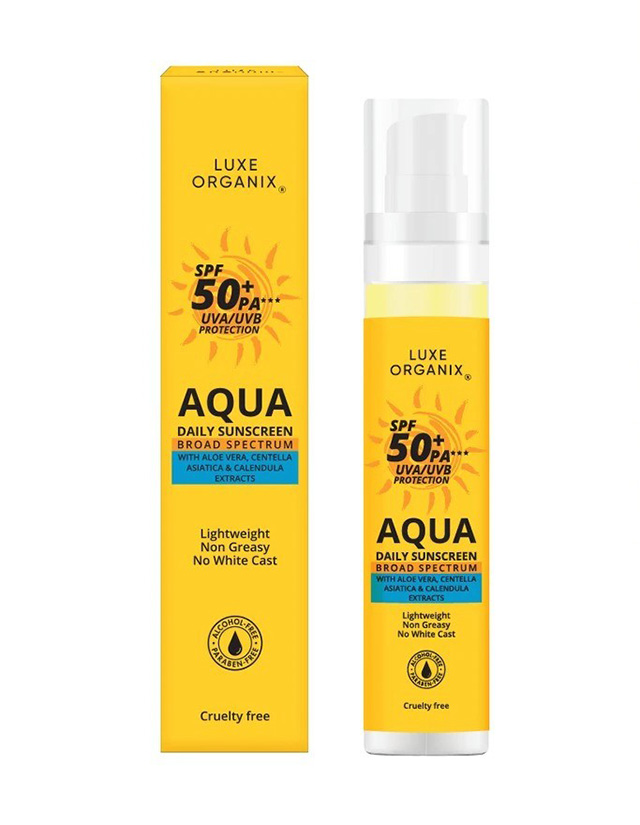
Chemical Sunscreen: Luxe Organix Aqua Daily Sunscreen
Looking for a no-fuss chemical sunscreen? Try this spray product from Luxe Organix. In addition to SPF 50+ and broad spectrum protection against UVA and UVB, its formula also packs aloe vera extracts to keep your skin hydrated and plump throughout the day.
 ADVERTISMENT - CONTINUE READING BELOW ↓
 -
Chemical Sunscreen: Biore UV Aqua Rich Watery Essence
This water-based chemical sunscreen is so lightweight, you won’t even feel it’s there. You can also use Biore UV Aqua Rich Watery Essence as a waterproof and sweat-resistant makeup base.
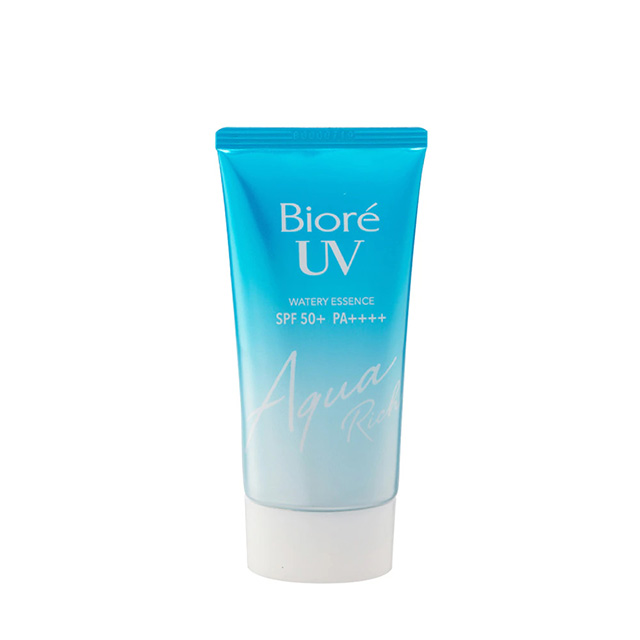
Biore UV Aqua Rich Watery Essence, P525, Shopee
ADVERTISMENT - CONTINUE READING BELOW ↓ -
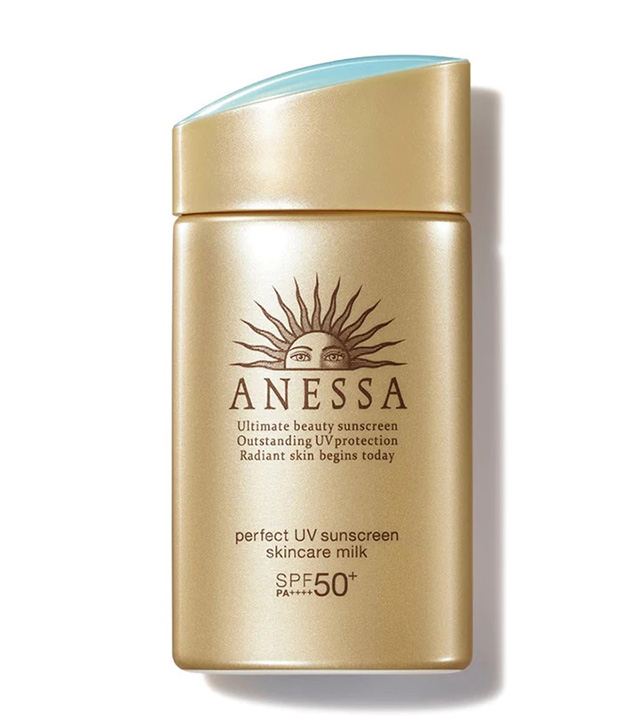
Hybrid: Anessa Perfect UV Sunscreen Skincare Milk
Think of this Anessa sunscreen as a hybrid that combines the best of both physical and chemical sunscreens. This Japanese cult favorite is sweat-proof, waterproof, suitable for sensitive skin, and comes with a radiant finish when applied. What more could we ask for?
 ADVERTISMENT - CONTINUE READING BELOW ↓
Links are updated regularly and as much as possible but note that products can run out of stock, discounts can expire and listed prices can change without prior notice.