Sometimes, when you already love something as it is—even with its flaws—you just leave it be. It's not because you resist change, but because you're content. That thought kept circling as I watched Disney's Snow White (2025) in an early screening.
As a Zillennial who grew up with Disney on TV, having a favorite princess (and maybe even a princess-themed birthday party) was practically a canon event. My best friend Hana and I whispered throughout the movie about how much we remembered from the original. (For the record, hers was Ariel.)
Though Belle was my personal favorite—because, duh, she reads—Snow White was always a close second. My younger sister adored her, even dressing up as her for Halloween once. My family still teases me about how I used to belt out "I'm Wishing" as a kid. That song, by the way, isn't even in the soundtrack of this new version. And that's just one of the many changes Disney made.
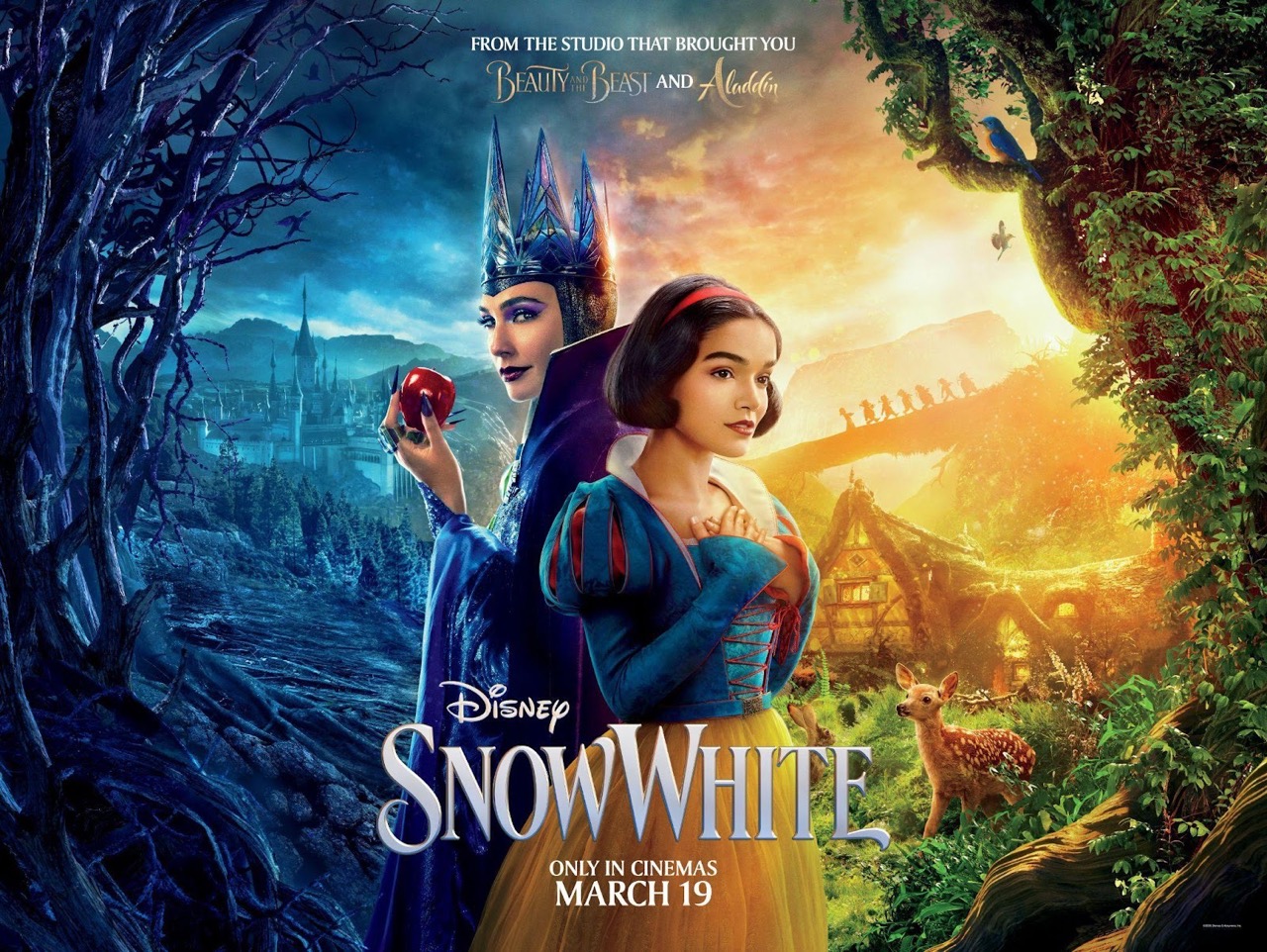
READ MORE: What We Know About The Live-Action Snow White Movie (So Far)
A Snow White For A New Era—But At What Cost?
Let's be real: Snow White and the Seven Dwarfs (1937) is almost 90 years old. Some of its themes are undeniably dated. And so Disney's new Snow White tried to update the story in a more timely context.
Lead actress Rachel Zegler has been vocal about how the original's gender dynamics and love story weren't exactly the best example for young girls today, saying that it had dated ideals and gender stereotypes. And honestly? She's not wrong.
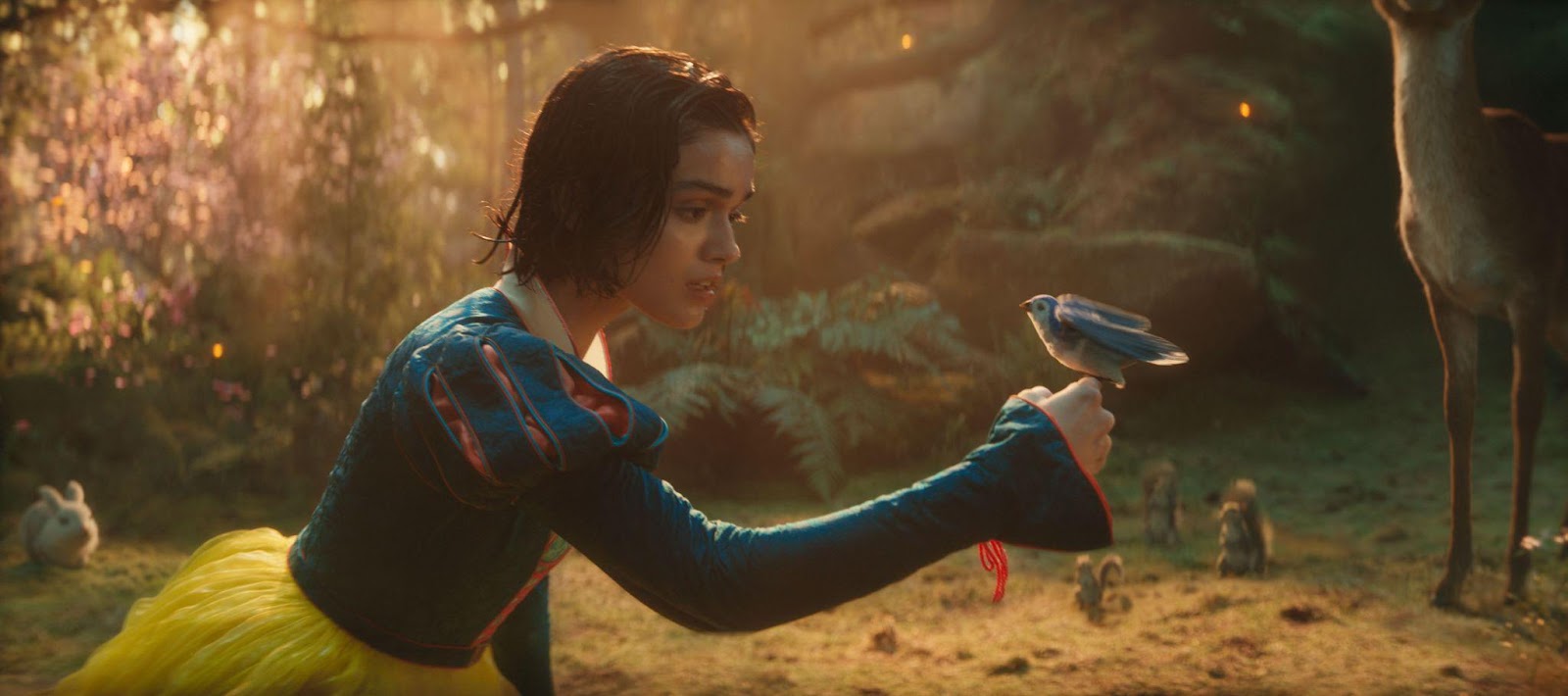
The whole "falling for a prince you just met" trope hasn't aged well. And a lot of them had notable age gaps with the princes, too. They could unintentionally push a harmful narrative to younger, more impressionable viewers. So updating the story to reflect more modern values? Sure, that's fair.
Adjusting the original film's outdated narratives was an appreciated move. Some might frown upon Disney's quote-unquote wokeness, but if it means shielding a young audience from potentially harmful messages, I'm all for it. That said, just because a woman—especially a princess—wants to find love and is empowered by it, doesn't mean she isn't strong.
Growing up, we went from wishing for true love to realizing that maybe we don't need a prince to save us. (Especially if said prince is a total stranger who stumbled upon us in the woods—age gap and all.) But as girlboss culture took over, softness and femininity started feeling like traits we had to shed, rather than ones that could coexist with strength.
It was Snow White's gentleness that always shone through for me. But in Disney's 2025 remake, that essence—her grace, her kindness, her ability to stay (albeit unbelievably) chirpy even in the worst situations, and her unwavering hope that she would find love—felt reduced. The very traits that made her her were softened in favor of a different kind of strength.
And while I appreciate the attempt to correct some of the past toxicities of the original, Snow White losing her gentleness in the process of finding her braveness wasn't something I agreed with. A woman shouldn't have to choose between being soft or strong—because soft is strong.
Even in the 1937 animated film, where true love's kiss was what saved her, it doesn't take away from the fact that she was her person. She had already endured exile, survived an Evil Queen (Gal Gadot in the 2025 version) actively hunting her down, and faced relentless hardship—all before a prince ever came into the picture. She had already fought to survive. That, in itself, was power.
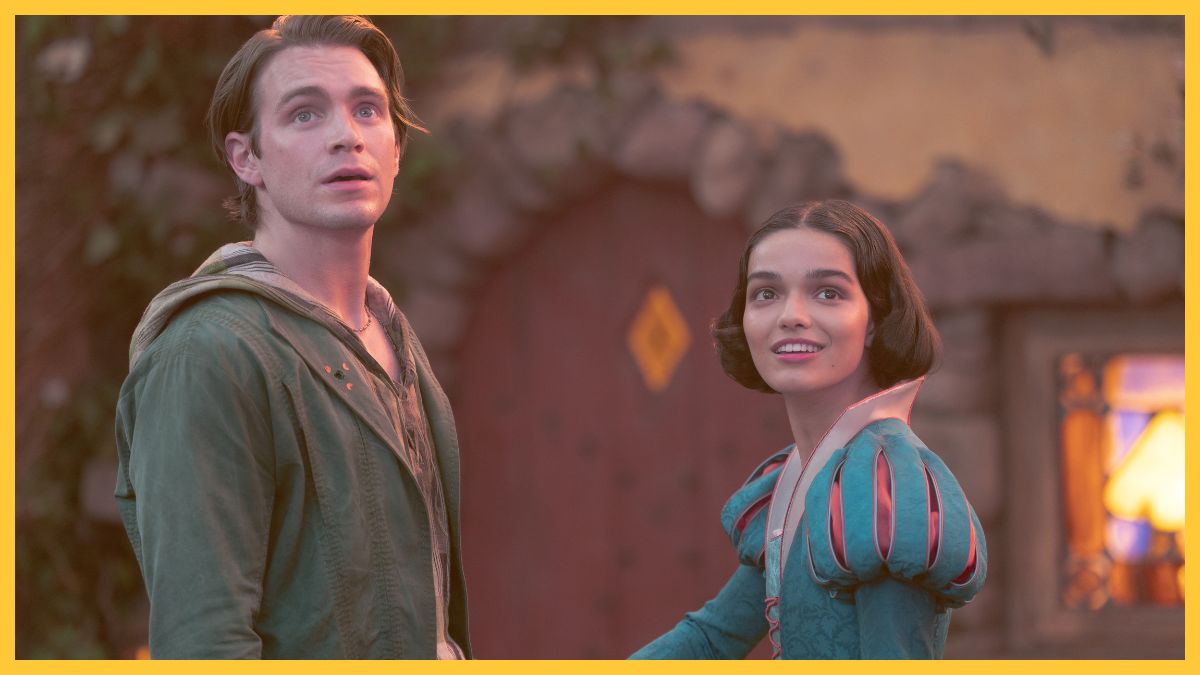
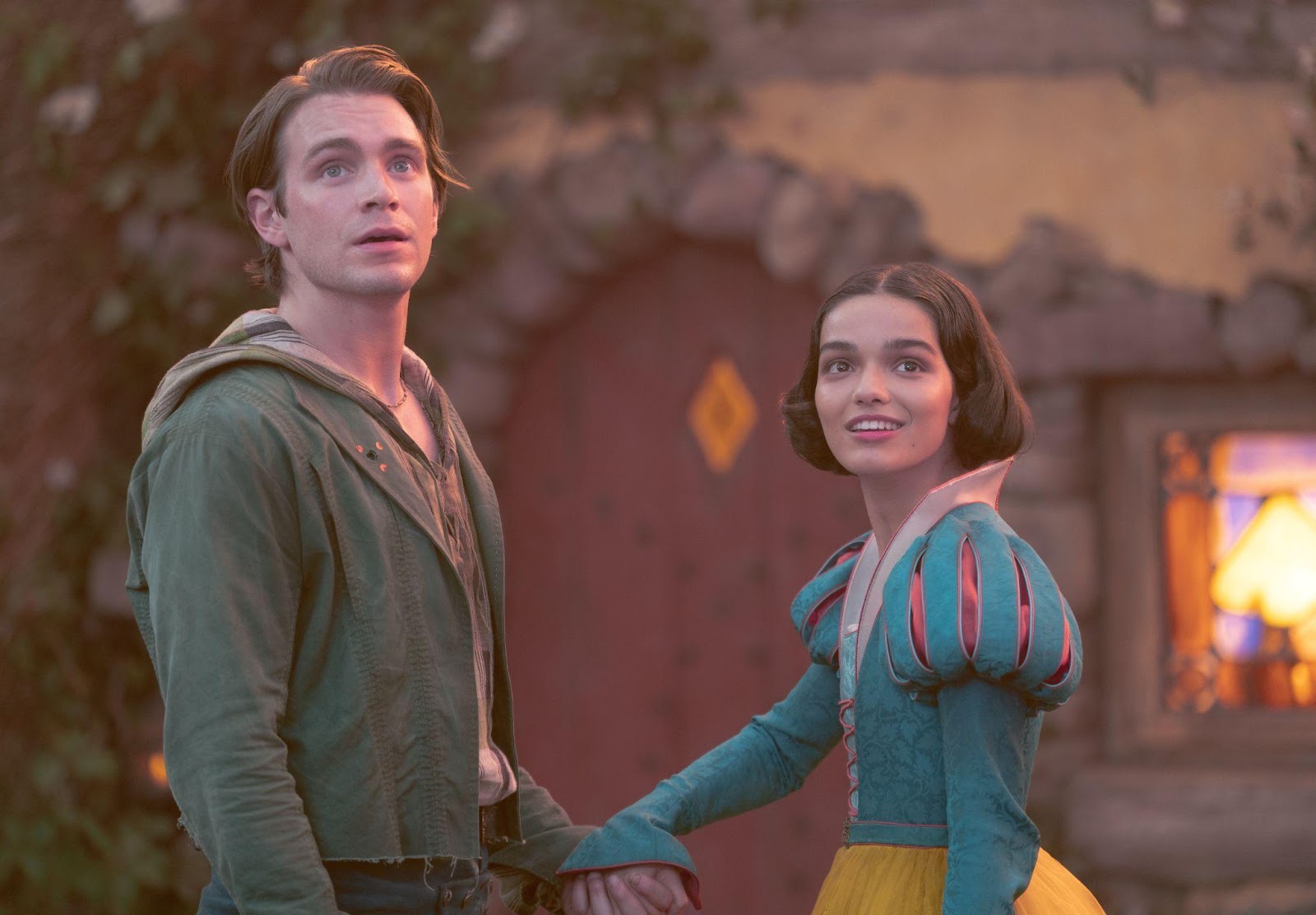
In this version, Snow White does get her love story—this time with rebel leader Jonathan (Andrew Burnap), someone she bonds with over a few days before he kisses her back to life. But in the conversation about what makes a princess "empowered," let's not erase the simple truth: all women's dreams are valid. Whether that means leading a kingdom or simply finding someone to share it with.
READ MORE: 10 Times Disney Princesses Sang About Girl Power
The Good And The Bad About The Live-Action Snow White
The CGI Dwarves
Ah yes, the CGI dwarves. There's been a lot of discourse about their redesign, including Peter Dinklage's criticism of how the original story portrayed little people. To their credit, Disney claimed they consulted members of the dwarfism community while developing the project. But despite that, many from the community still voiced their concerns. And after watching the film, I can’t help but feel like more could have been done.
If they were already updating so much of the story, why not go all the way? The original title was Snow White and the Seven Dwarves—but since they stripped it down to just Snow White, what was stopping them from actually reconsidering Dinklage's very valid point? A more thoughtful approach would have been far better than simply CGI-ing the characters. Why not go all in and rethink the dwarves in a way that gives more opportunities to actors with dwarfism?
Sure, using CGI opened up opportunities for voice actors, puppeteers, and VFX artists, which is valuable in its own right. However, finding a way to integrate the dwarfism community alongside these efforts better could have made the film even more meaningful and inclusive.
The bright spot in all this was the casting of the voice actors—seeing Andrew Barth Feldman (No Hard Feelings), Titus Burgess (Unbreakable Kimmy Schmidt), and Michael Klebba (Pirates of the Caribbean: The Curse of the Black Pearl), who is a member of the little person community, was a welcome surprise. Still, it felt like there was room to do more.
The Overall Controversy Surrounding The Movie's Stars
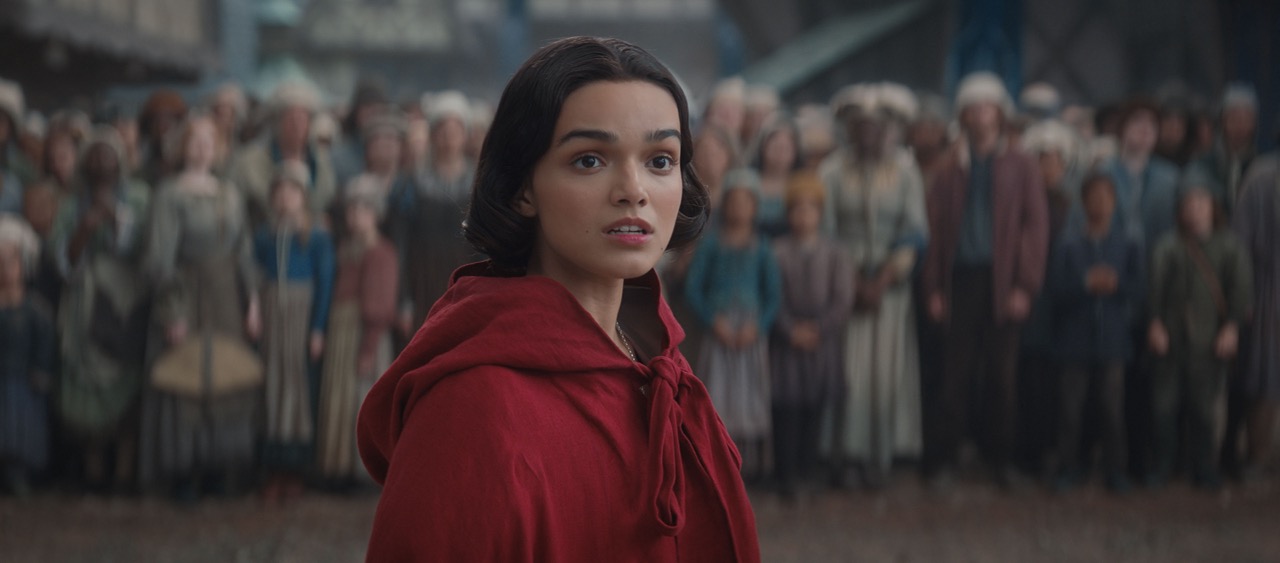
From the moment Rachel Zegler was cast as Snow White, backlash followed. For some, she wasn’t white enough for the role—an argument that shouldn’t have been an issue. Then came her comments about how their version would rework the story, which rubbed fans of the original the wrong way. To them, it seemed contradictory that someone playing the beloved character didn’t appear to appreciate her personality.
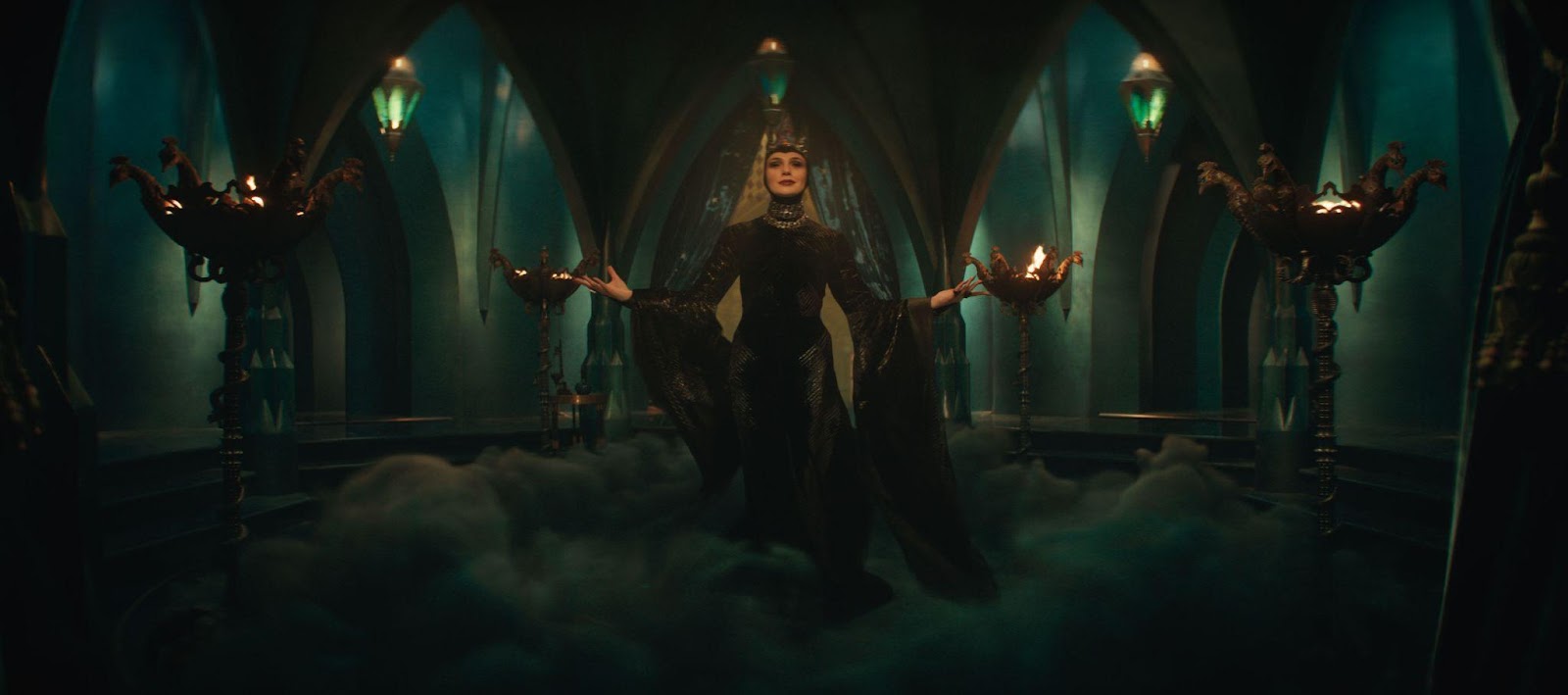
Gal Gadot, cast as the Evil Queen, also sparked mixed reactions. While many acknowledged her undeniable beauty—perfect for the role—some questioned her ability to deliver the Queen's signature intensity, citing her past performances as lacking emotional depth.
Having seen the film, I'd say both actresses did their best to own their roles. Rachel, as expected, delivered a solid performance, and her vocals were every bit as enchanting as a Disney Princess should be. Backlash aside, she brought what she promised.
As for Gal Gadot's Evil Queen, while she didn't bring as much depth, her character's shallowness was, in a way, the point—it was what ultimately led to her downfall. Her solo, "All Is Fair," had a certain campiness to it, whether intentional or not. And while the autotune was obvious, the performance still had its moments.
The Music
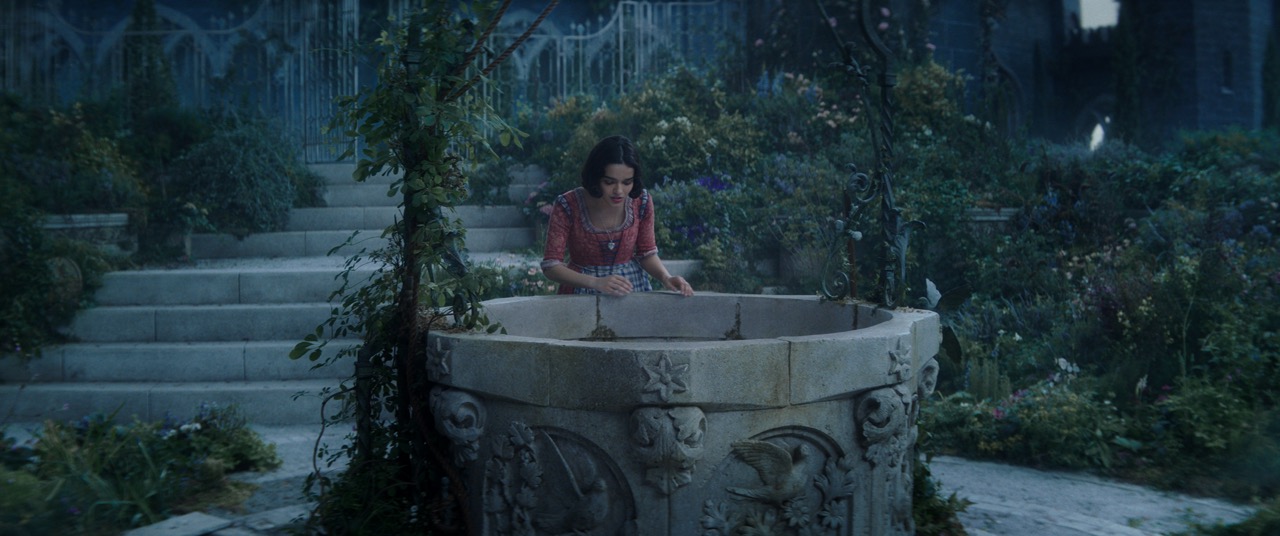
If there's one thing I loved about the film, it was the music. Both Benj Pasek and Justin Paul delivered—as usual. While some of the OG songs were missing ("Someday My Prince Will Come" and "I'm Wishing," among others), Snow White's new solo, "Waiting on a Wish," made up for it. The song felt like a true expression of this version of Snow White—empowering and heartfelt. And, of course, Rachel Zegler made it completely hers, as a Disney Princess should.
The other musical numbers had their charm, too. "Heigh-Ho" will always be a delight.
Who Disney's Snow White Is Really For
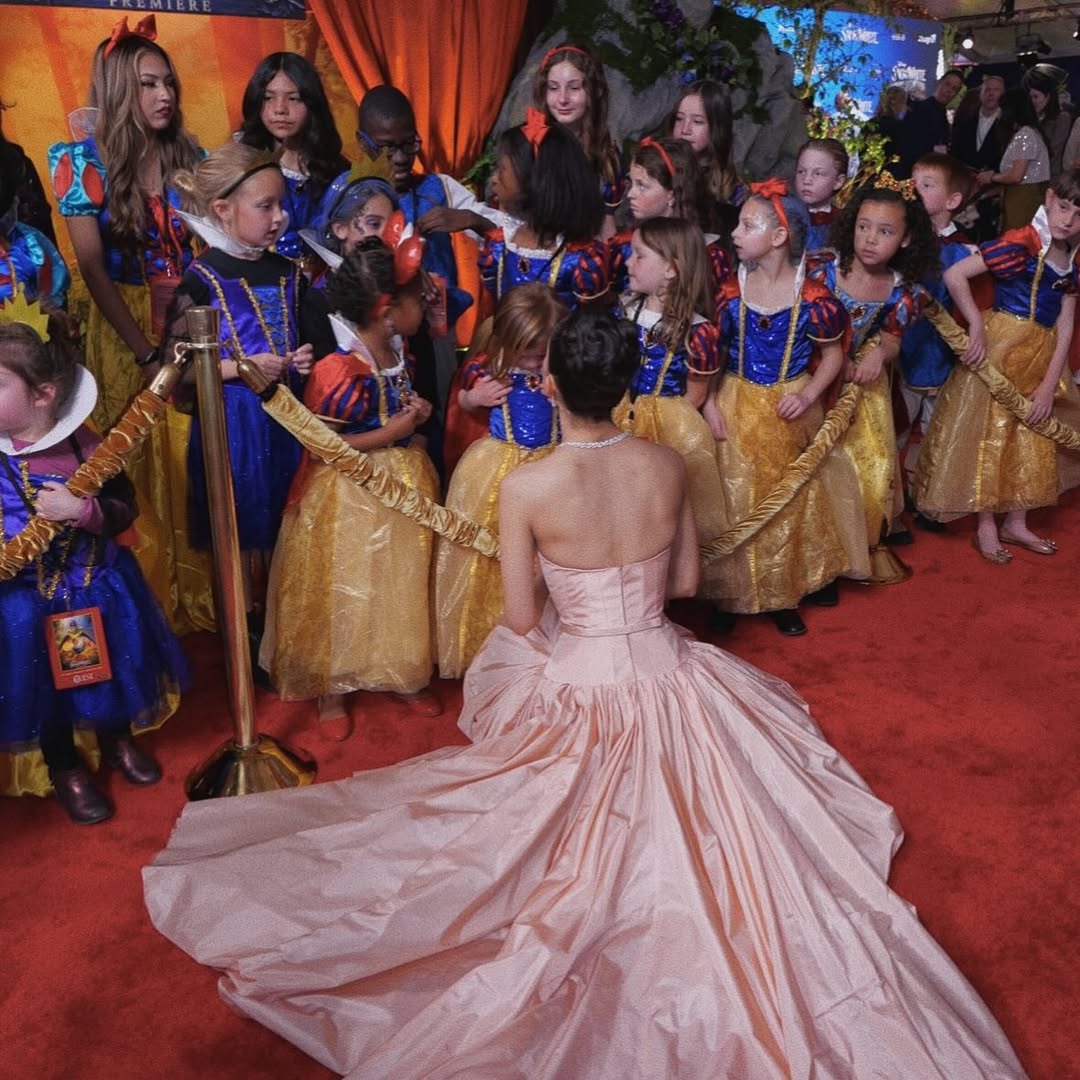
As Rachel Zegler wrote in an Instagram post for the film's LA premiere, Snow White has always been "for them"—the kids. And despite all the noise surrounding it, that's where its success truly lies.
Criticism—whether valid, rooted in personal bias, or shaped by preconceived notions—will always surround a major adaptation like this. But kids don’t overanalyze. If they love something, they love it. And for them, Rachel Zegler just became their Snow White.
If this version isn't for you, there are plenty of others to choose from—from the original Brothers Grimm tale to Disney's classic Snow White and the Seven Dwarfs, and even Mirror Mirror and Snow White and the Huntsman, each with its take on the story. This one simply adds another to the list.
Disney's Snow White is now showing in cinemas.
Follow Clara on Instagram.