[Editor's note: This article has mentions of violence.]
"I can't give the summary justice. It would sound really cliche in 2025."
This is what I told my younger cousin who was trying to grasp how Taiwanese drama Meteor Garden (2001) took the Philippines by storm. After all, I was just five years old when it graced local TV, which may easily make me an unreliable narrator. So, I decided to scour for archival clips that would prove its mammoth fanbase instead, and let my older relatives lead the trip down memory lane.
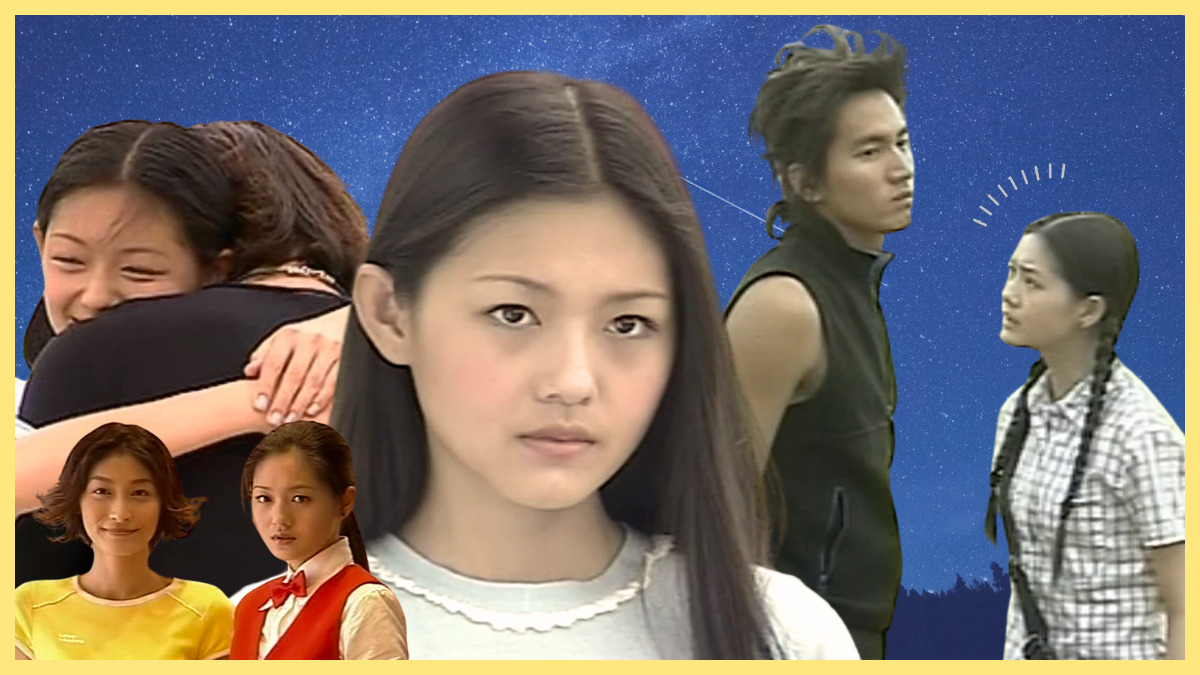
But the truth is, I know every detail of the series to heart—the F4 poster in my old bedroom can speak for itself. I consider five-year-old me an active participant in that pop culture phenomenon that permeated quintessential fashion choices and day-to-day conversations. This same cultural pillar would send Filipinos into collective grief 23 years later, because Barbie Hsu—who played the iconic role of Shan Cai—has passed away at 48 years old.
READ MORE: Jerry Yan Shares The Most Heartfelt Tribute To 'Meteor Garden' Co-Star Barbie Hsu
The deeper truth is, I didn't want to mindlessly narrate Meteor Garden’s plotline knowing its familiar elements. Surface-level recall might reduce Shan Cai's character into the stereotypical damsel in distress and I didn't want that—because honestly, I saw her putting her own spin to it.
What is a damsel in distress?
In various forms of media, the "damsel in distress" trope is a narrative device that depicts how a female character plagued by danger must be saved or protected by a strong male character or the "hero" in the story, further benefiting how his character is perceived. In literary context, it can be spotted as early as the medieval times, which makes sense why the fairytales (including the tales of some Disney Princesses) we grew up with would usually involve a female lead being held captive.
Breaking free from the perils is intentionally painted like a tall order, as she is written as helpless and incapable of problem-solving, waiting for outside rescue. Apart from that, damsels are also sometimes described as conventionally attractive and are deemed "worthy" of being saved. Being saved, of course, isn't an inherently bad part of a narrative (it's okay to ask for help!). What's dangerous is when this act is the only thing that defines a character. If we take out the rescuing from the story, does the audience still know your character well? Can they say anything significant about her, proving her dynamic nature?
Moreover, the critique towards this trope stems from its tendency to promote traditional gender roles, where the women are boxed to being submissive or are seen as a prize after the hard work—and sometimes even near-death efforts—by men.
In contemporary examples, people usually associate the damsel in distress archetype with the early versions of pop culture classics like Buttercup in The Princess Bride, Princess Peach in Super Mario Bros., Wendy Darling from Peter Pan, and Gwen Stacy from the Spider-Man series (although the actress herself begs differently).
One of their common threads? There's some kidnapping going on—a plot device also present in Meteor Garden. But Barbie's Shan Cai has the guts to fight back.
How Barbie Hsu brought Shan Cai to life in Meteor Garden
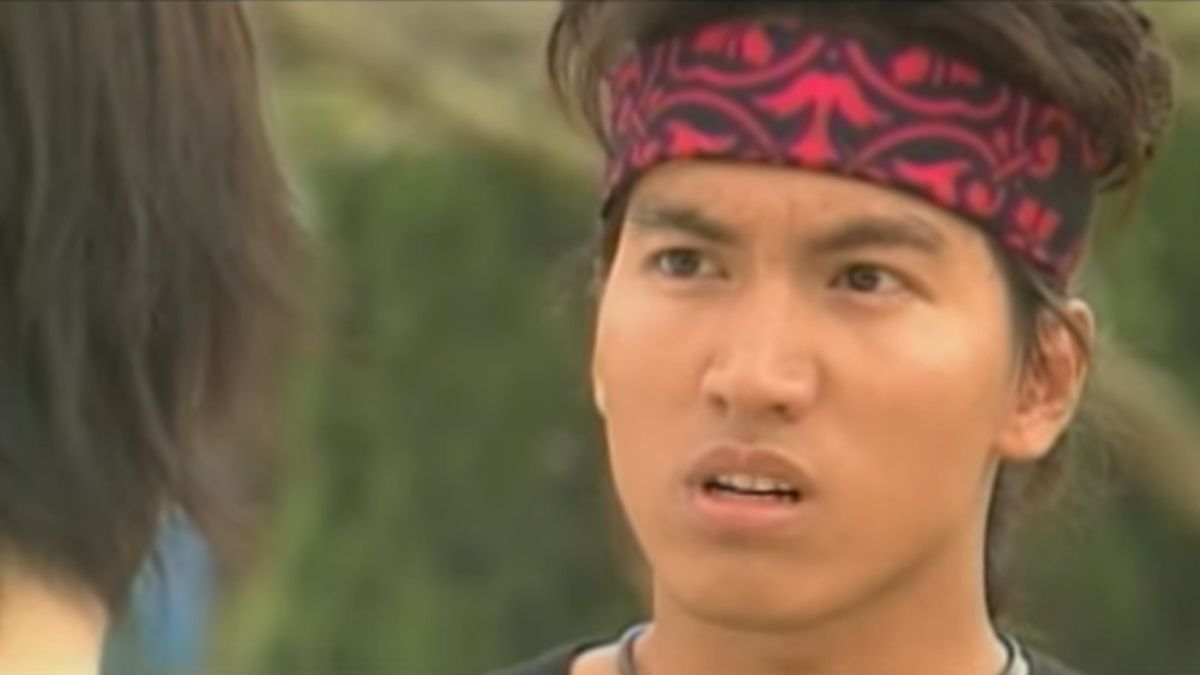
Xiao Shun (Lin Zu En), a fast food worker and model, kidnapped Shan Cai to get back at Dao Ming Si (Jerry Yan) for hurting his friend. But Shan Cai wasn't having it—she stood her ground, refusing to let the guys touch her and calling out the deception. Xiao Shun said bad luck follows anyone close to Dao Ming Si, but Shan Cai shot back that she was stuck because he was just a bad person.
Instead of waiting for the hero, Shan Cai tried to keep Dao Ming Si out of the mess. When Xiao Shun let her call him, she reassured him. When Dao Ming Si showed up, she scolded him for making things worse. The fight ended when Shan Cai, even with her arms tied, stepped in front of the already hurt Dao Ming Si and took the hit for him.
Even Shan Cai's best friends would vouch for her fierce spirit, like her bestie from elementary school Chen Qing He (Edward Ou) and Xiao You (Rainie Yang), with whom she shares the same socioeconomic background. This conviction would go as far as speaking up against powerful figures who belittled her status in life.
At Dao Ming Si's birthday party, his mom, Dao Ming Feng (Zhen Xiu Zhen), aggressively questioned Shan Cai's background. The F4 boys tried to cover up the tension with lies, but Shan Cai soon grew uncomfortable. Later, Dao Ming Feng insisted she play the piano, claiming anyone worthy of the Dao Ming family should know how to play an instrument. Instead of backing down, Shan Cai sat at the piano, pretended to smash the keys, and provoked Dao Ming Feng. Then, she actually played.
"A western philosopher once said this: Women, dazzling diamonds and glittering jewelry…have won you illusory majesty. But what's left around you is only snobbish poison, the odor of arrogance and alluring but fatal fragrance," Shan Cai uttered while playing her piece. "Women, when you once again salute wealth, hail fame and extol power, please do not ask about the thrush which sang to you. It has flown away, because it has sung itself hoarse. Its golden voice has perished for the sake of its real, dignified and pure soul."
She capped off her unexpected performance by asking Dao Ming Feng: Does the worth of someone's soul depend on whether they can play the piano, the kind of family that raised them, or the brand of their outfit? Shan Cai even rubbed salt to the wound by revealing that she knew to play only one song—and so what?
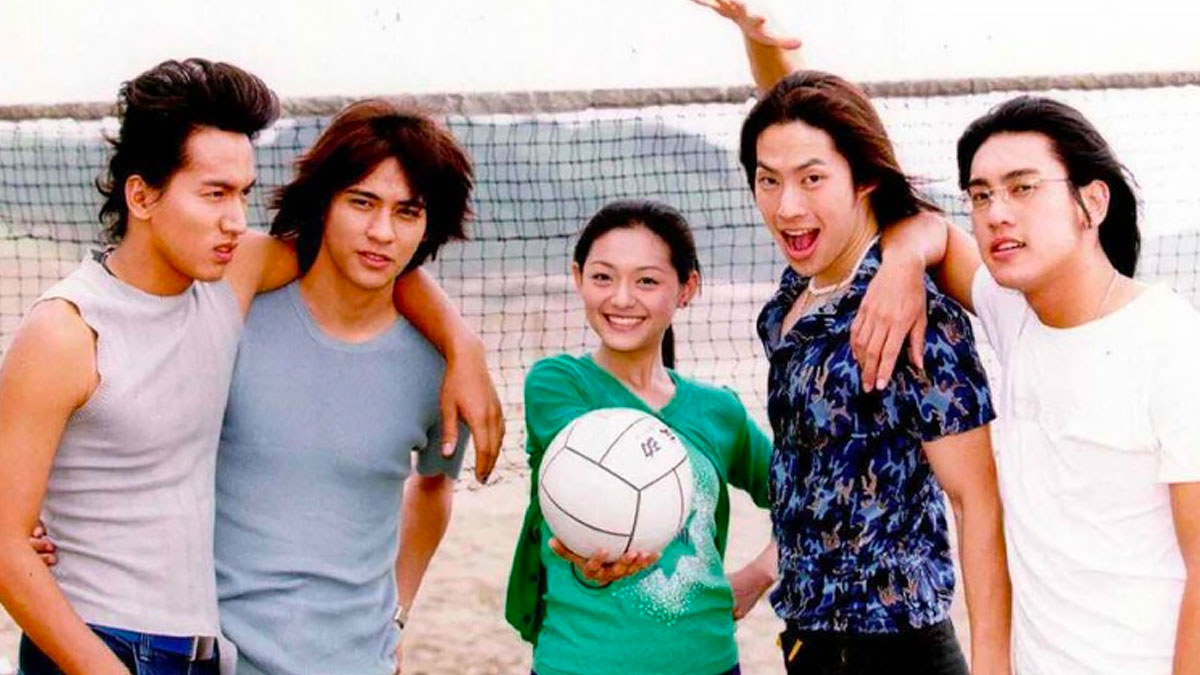
In the pilot episode, Shan Cai expressed disappointment in another authority figure: Her teacher. A student from her school, Ying De University, became the new target of F4—Dao Ming Si, Hua Ze Lei (Vic Chou), Xi Men (Ken Chu), and Mei Zuo (Vaness Wu)—also known as the school's popular elites. The student was about to drop out, alarming Shan Cai's teacher. But once he found out F4 was behind it, instead of stepping up and doing something about it, he just told the student to behave.
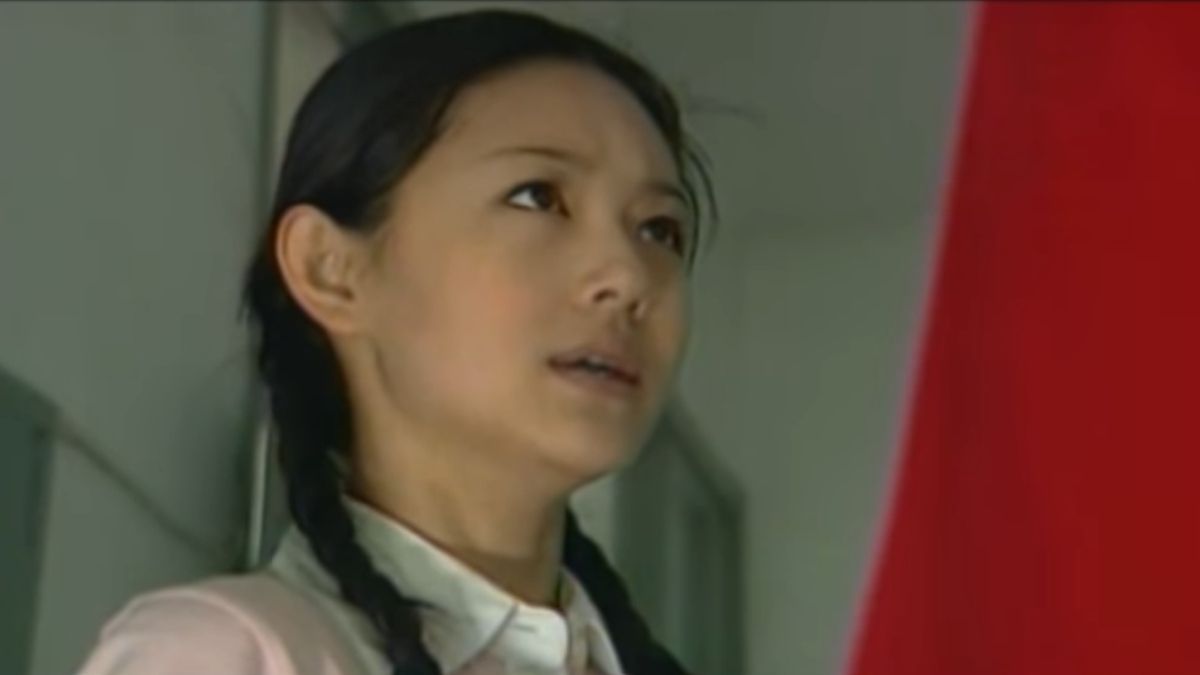
Ironically, the teacher later on lectured the class about conscience, even quoting Confucius on benevolence. Fed up with the hypocrisy, Shan Cai stormed out of the room. She went up to the rooftop to vent her frustration, indirectly calling out F4 and the messed-up power dynamics she just witnessed. It was an early glimpse into Shan Cai's moral compass in the show.
Shan Cai's Relationships
It wasn't like Shan Cai was carelessly fighting everyone just for the heck of it, too; she knew which battles to pick. She sought to protect the women around her, like when Xiao Yu was dating Xi Men, a known playboy. She formed an unexpected friendship with Xiao Zi, the He Corporation heiress who was arranged to marry Dao Ming Zi. And even during the time when Shan Cai had feelings for Hua Ze Lei, she never let these get in the way of having a sincere bond with Teng Tang Jing (Winnie Chen), the overachiever from France whom Hua Ze Lei was hung up on for the longest time. These female friendships added color to Shan Cai’s character, and became an important statement in itself—especially in the 2000s. If society continues to pit women against each other today, just imagine how worse it looked back then?
In one episode, Shan Cai also flipped the damsel in distress trope when Dao Ming Si punished the people who wronged her—by tying them to a moving car. She even found her bully, Qian Hui, begging for mercy in the trunk. Instead of letting Dao Ming Si play the hero, Shan Cai took control and demanded he stop their suffering.
Of course, Shan Cai exhibited strength and bravery when facing Dao Ming Si himself, and the rest of the F4, when they were actual bullies at the start of the series. She defended ordinary people, even though it meant going through the consequences brought by the infamous red card.
Shan Cai showed strength when facing Dao Ming Si and the rest of F4, even defending ordinary people, despite the consequences of the infamous red card. While their enemies-to-lovers arc doesn't quite hold up today because of the violence and toxic behavior, Shan Cai’s ability to take charge and speak her truth stands out.
I still find myself waxing nostalgic over their chemistry and have cried over their latter heartfelt moments in the show like any other fan. But with a 2025 lens, the enemies-to-lovers tale of Shan Cai and Dao Ming Si didn't exactly age well because of the violence involved in the beginning. Some viewers have also chalked it up as a springboard to women's "I can fix him" tendencies or attraction to bad boys with glaring red flags. But the silver lining of it all was Shan Cai, who took matters into her own hands as long as she could, and spoke her truth.
And this means showing her very human side, too. Her feisty character co-existed with her vulnerability; she wasn't stripped off of her desire and capacity to love just to prove viewers that she was a "strong" character. How cool it was, too, that Meteor Garden ended with her not needing the "saving," but doing the "saving" instead? She relentlessly tried to bring back Dao Ming Si's memories post-amnesia, chased the bus, got drenched in rain, and stepped outside her comfort zone. All of these were her choices for love, enforcing the presence of an agency rather than the absence of it—one of the most critiqued elements of the damsel in distress.
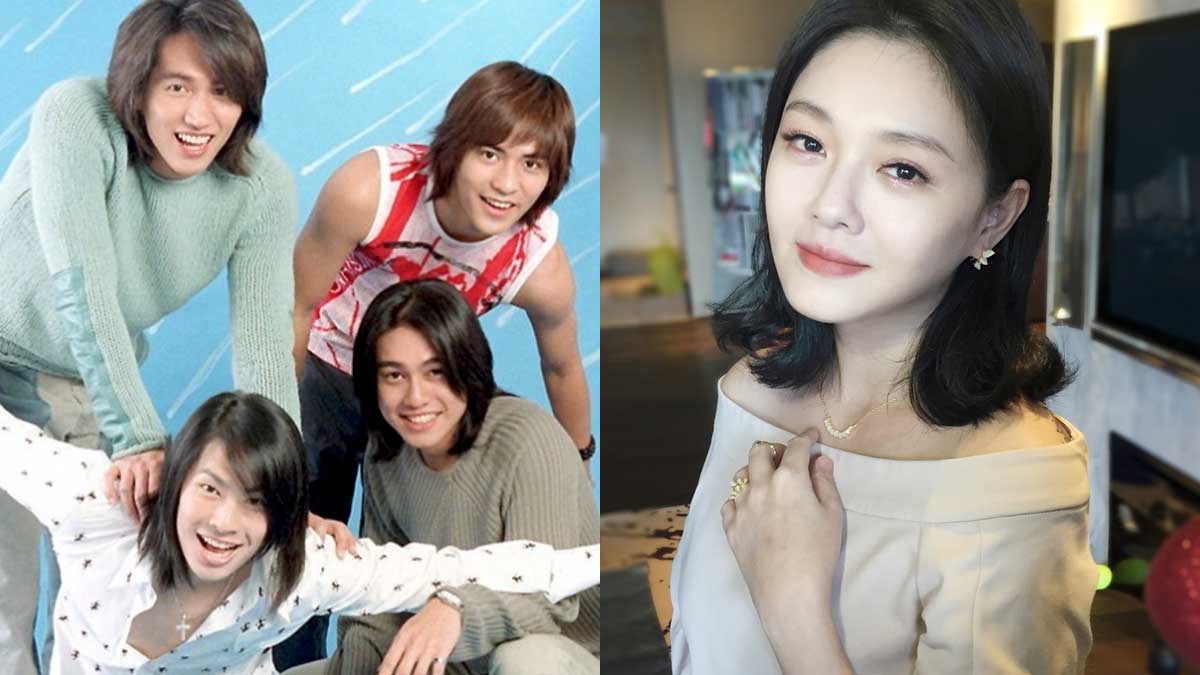
Barbie Hsu's legacy as Shan Cai
Despite being placed in situations that force her to get the shorter end of the stick, Shan Cai remained a multilayered character. There were familiar signs of the trope, but there was also subversion, especially considering the decade the show was released.
This was the same era when I had my first experience with bullies, too. Whenever my mom would put my hair into two braided pigtails—a signature Shan Cai look—the pre-school version of me would have a peculiar sense of fearlessness and confidence, ready to brave the intimidation that would come my way. What would Shan Cai say or do in this situation?
Yes, her character is still heavily flawed, especially when analyzing it in the present. There were questionable choices in her relationships, a selflessness that came off frustrating at times, and the occasional silly emotional constipation that was both relatable and difficult to decipher. But a grounded and strong-willed woman in the early aughts was a win in my book.
Somehow, the ending of Meteor Garden didn't happen more than a decade ago for me. It's only catching up to me now, as the loss of real-life Shan Cai officially screams finality. It's… done.
While it's jarring to see bits and pieces of Meteor Garden currently being reminisced in a gloomy atmosphere, I'm glad, though, that this chapter is closing with a beautiful legacy: In one of the most popular love stories in Asia, Barbie Hsu's Shan Cai was more than a one-dimensional love interest.