
Don't get me wrong—I'm all for supporting the local entertainment industry be it films, music, or teleseryes. But there's something ultimately amiss when some of our elected senators would propose banning foreign entertainment content, specifically Korean dramas, to help shore up the local film industry.
No, honorable senators. Banning K-dramas will not help the country's film industry nor will it make Filipinos patronize our local shows. If anything, it could ignite a deeper clamor for Korean series: Because as you know, after watching all those telenovelas and teleseryes, people want what they can't have. So let's not even go there. Instead, why don't we take notes on how South Korea has become a force to be reckoned with in the film and music industry? Hallyu (or the Korean wave) continues to sweep across the globe, bringing in billions of government revenue and foreign investments, and further strengthening South Korea's national branding. We can certainly learn a great deal from them to boost our entertainment industry and promote ourselves on the world stage.

Korean cool
In order for us to better understand South Korea's soft power strategy, we have to know some history. You see, the Asian financial crisis in 1997 was a big blow to South Korea's economy. The Korean government was forced to take out a loan from the International Monetary Fund (IMF) amounting to $57 billion dollars. According to a 1998 study by Professor Keun S. Lee, 11 chaebols (big Korean conglomerates) collapsed during the crisis. Bankrupt chaebols have cost South Korea $100 billion or 20% of the country's half-a-trillion-dollar economy at that time, jeopardizing hundreds of thousands of jobs. To this day, some Koreans still consider December 3, 1997, the day the IMF bailout was formalized, as a "National Day of Humiliation."
In the midst of the financial crisis, President Kim Dae Jung just took office. Given South Korea's severe economic dilemma and a newly elected President that hasn't proven anything yet, foreign investors were not confident the country was a good place to do business. With no one and nowhere to turn to, President Kim decided that South Korea needed an extensive and intensive overhaul of its national branding.
He recognized how the US and the UK were bringing in millions of revenue from exporting their films and musicals, all while elevating their national status. People from different parts of the world perceive the US and the UK as "cool" because of the quality of entertainment they’re sharing with the world. President Kim wanted the same for South Korea. He wanted to export the idea of "Korean cool" by investing in cultural development that would help create a very competitive pop culture industry in South Korea. President Kim believed that if they can effectively export their soft power, it will help expedite South Korea's economic recovery—culture first, economy second.
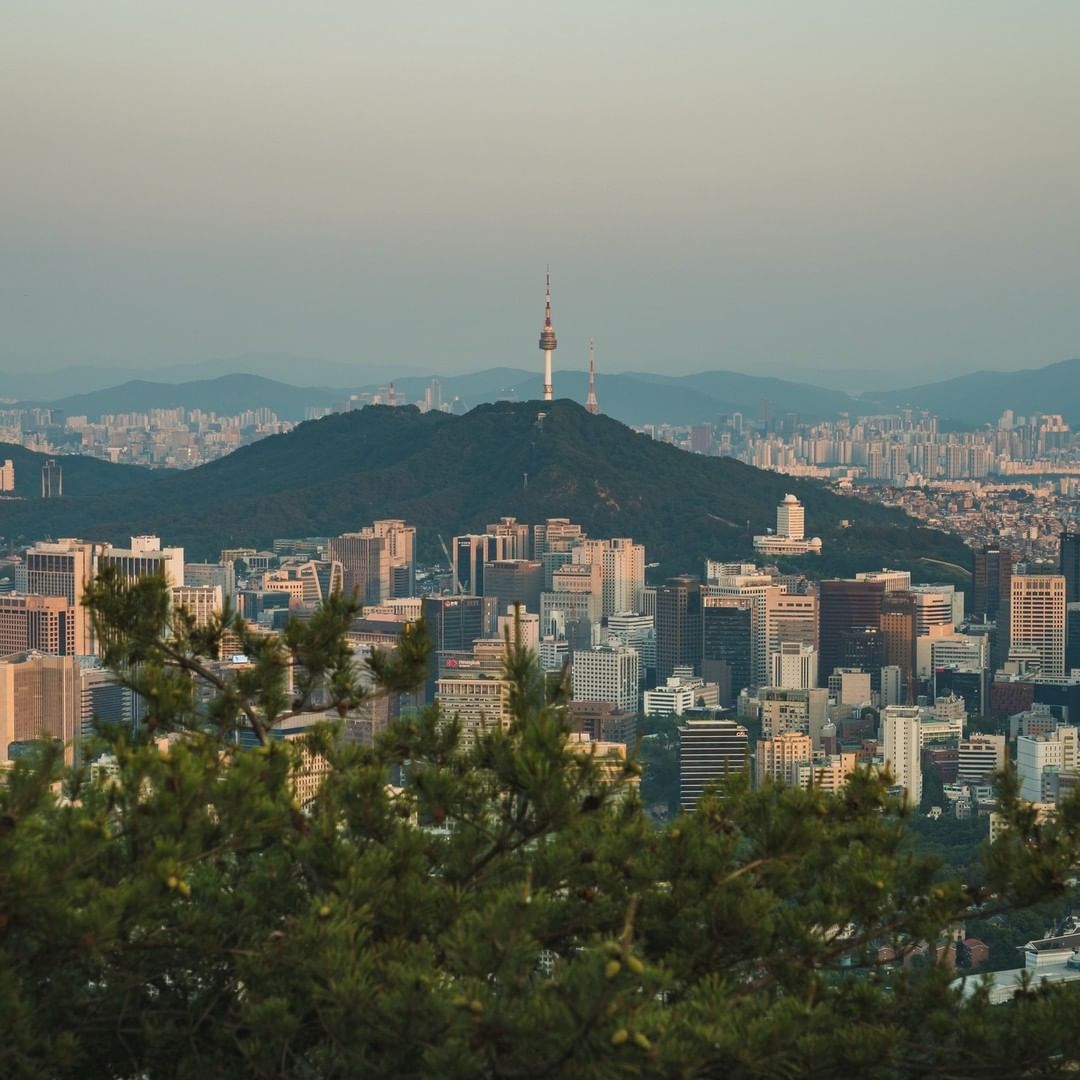
Thus, the Korean government drafted policies prioritizing cultural development. They established a Ministry of Culture which was responsible for developing Korean creative industries and individuals and they infused it with a million-dollar capital backed by a multi-billion dollar public-private investment fund. The Korean government was determined to position their entertainment industry—their music and films—as a priority sector that would help move the country forward. And indeed, it was the best comeback. The rise of Korean culture was no accident.
Harnessing soft power
Yes, South Korea's rise in soft power can be replicated anywhere as long as there's political will. Here in the Philippines, it is unfortunate though that our government recognizes the world-class talent of Filipinos in the entertainment industry but they aren't doing enough to support them. One thing we've learned from South Korea's quest for soft power is that it's not just about funding local talents. It's investing in them. From my observation, our government has not fully explored investing in the development of the Philippine entertainment industry and our Filipino talents to be competitive enough on the world stage. Maybe now's the time to explore this path.
In a previous interview, Senator Jinggoy Estrada clarified his controversial statement about banning Korean dramas, "I said that out of frustration, kasi nakikita ko na ang ating mga artista na napakagaling, world-class talent, hindi nabibigyan ng pagkakataon, ng trabaho lalo na nitong panahon ng pandemya."
If you're frustrated that Korean dramas have captured the heart of Filipino audiences then do something to help elevate our local entertainment industry. And this does not mean proposing to ban K-dramas in the country because that is just plain immature. You were a former actor. You know the industry's pains and challenges. Propose to establish something concrete and productive such as South Korea's Ministry of Culture that will oversee the development of local talents and the country's entertainment industry. If you think about it, the lack of government support is really what's killing our promising Filipino talents and the industry, not the Korean wave. If the Philippine government had only taken into consideration the strategies South Korea has deployed to utilize its soft power, our local entertainment industry would've been in a better position, helping the country drive up the economy and attracting more foreign investors.
A good example: Squid Game. According to reports, the Netflix Original is the first ever non-English show to break all records on the streaming platform and top global viewing charts. It even surpassed Bridgerton in the number of watch hours. Squid Game's success opened up even more opportunities to export Korean dramas. Foreign investors can't wait to throw in money as Korean content is in incredibly high demand at the international level.
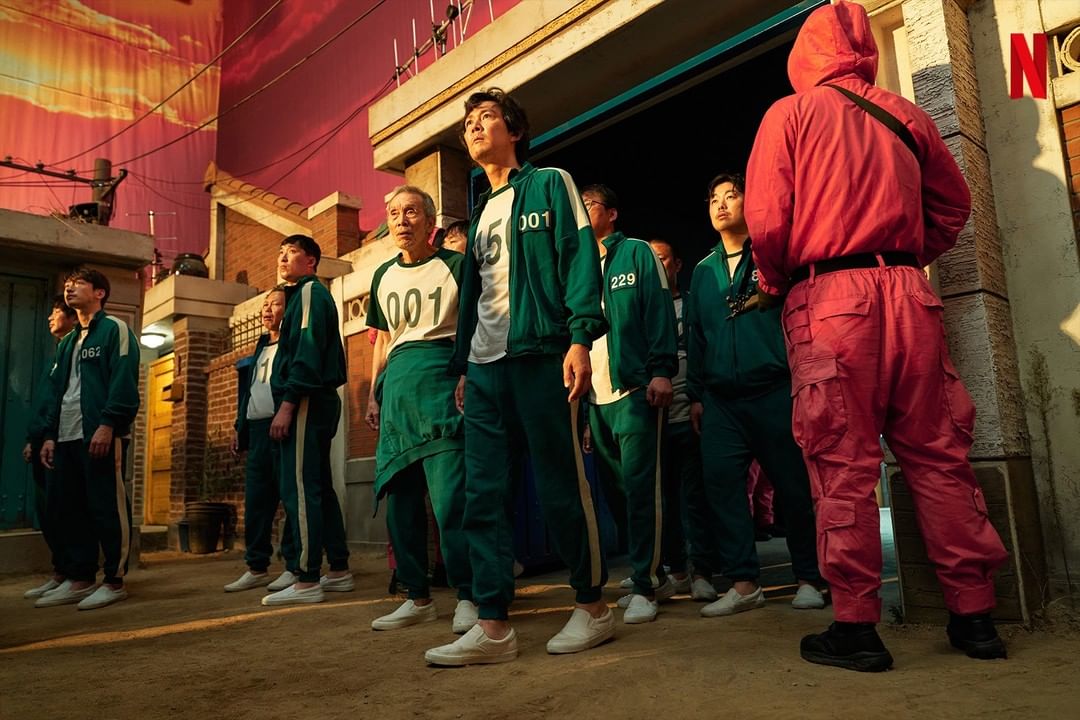
Last month, Netflix announced it would be spending around $462 million dollars on producing Korean content this year. According to a report by Erika Na in the South China Morning Post, this is almost three times the average Netflix has invested in Korean content per year since entering the market back in 2016. With foreign investments coming in hot, experts believe Korean content will become even more competitive on a global scale.
Pinoy cool
I cannot stress enough how following South Korea's footsteps and harnessing our soft power can greatly help the Philippines in a number of aspects—additional government revenue, tourism boost, strengthening the country's national branding—the list goes on. I am optimistic that with the new administration's pronouncement that they want to focus on making the country self-sufficient, this will include a strategy to utilize our soft power.
I firmly believe with the pool of local talents we have, that we are capable of becoming an entertainment and pop culture powerhouse just like South Korea. I mean look at SB19, John Arcilla, Brillante Mendoza, Rachelle Anne Go, Iza Calzado, and award-winning movies such as Erik Matti's On The Job: The Missing Eight and Mikhail Red's Birdshot—these are proof that Filipinos are world-class. Let's harness the capability of our soft power and introduce to the world the idea of "Pinoy cool."
Steph Ongkiko is a Partner and PR Head of Punto Consultancy. She was a recipient of a Master's Degree scholarship from the Korean government. In 2014, Steph took her Master's in Korean Culture and History at the Academy of Korean Studies (AKS) in South Korea. The Academy of Korean Studies is a research and educational institute with the purpose of establishing profound research about Korean Culture.
MORE KOREAN STORIES HERE:
Why Do K-Pop Idols And Korean Celebs Hide Their Tattoos?
What Is A 'Sasaeng'? A Guide To South Korea's Toxic Fan Culture