Gone are the days when our only post-work priority was catching up on the latest K-dramas. Lately, we've found ourselves drawn to something new (and equally addictive): vertical dramas.
At first, they might have popped up as random ads on your Facebook or Instagram feed—short, dramatic clips that leave you hanging, leading you to install an app just to watch what happens next. But make no mistake, these aren't just cleverly disguised promos; they're part of a booming content format that's shaking up the way we consume online series.
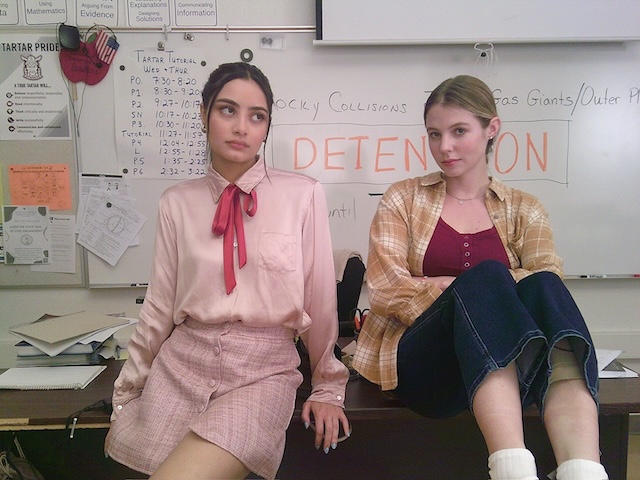
While the concept isn't entirely new (Chinese production giant Tencent Video first invested in it back in 2018), vertical dramas have recently gained serious momentum. By 2024, even American production companies are giving it a go. And toward the end of last year, one particular title caught our attention: True Heiress Vs. Fake Queen Bee—or, as we've fondly nicknamed it, The Kaplan Heiress. The buzz it generated among Filipino viewers sent us deep into the vertical drama rabbit hole. (Okay, full disclosure: the writer behind this piece has been obsessed with them for months now.)
And ICYDK, Filipino studios are also taking a shot at the format. Viva Artists Agency released the vertical short Kevin Is Real, while the platform Beetzeeplay has already made its way to the Philippines.
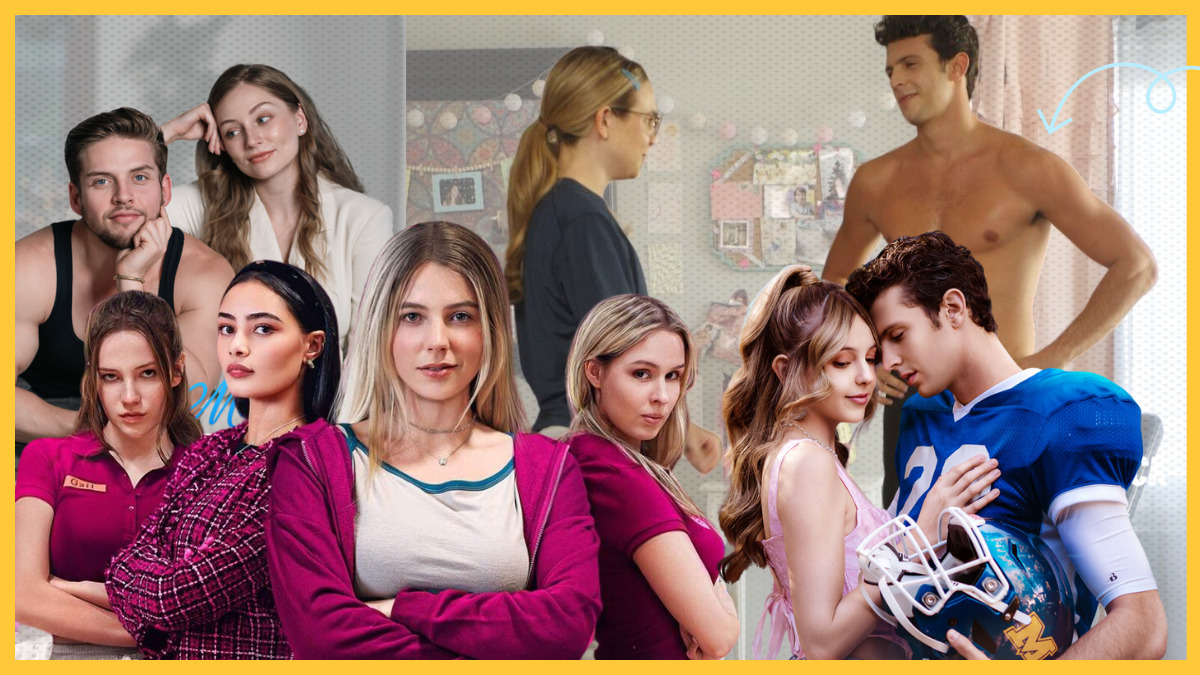
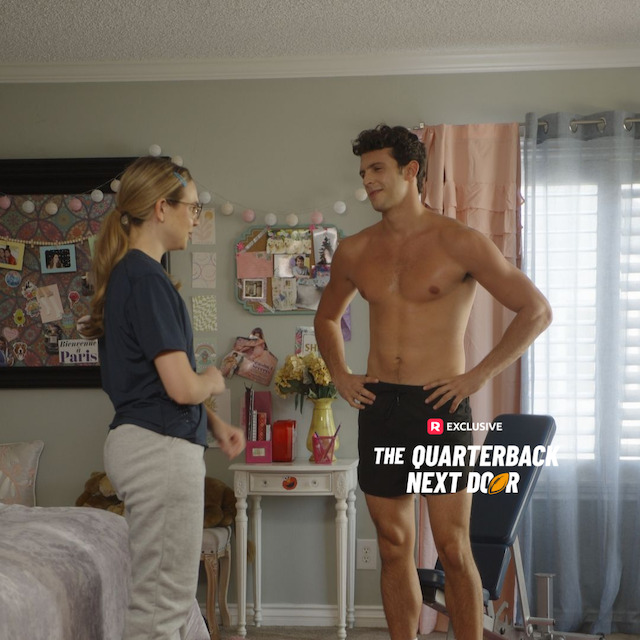
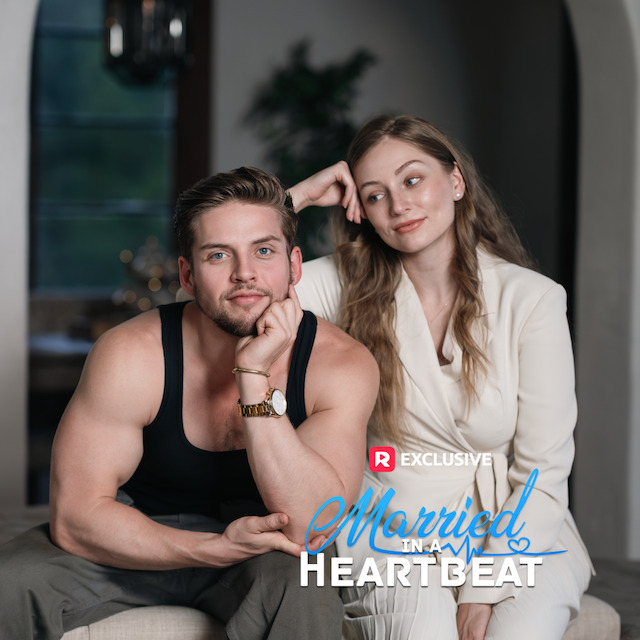
Curious to learn more, we reached out to ReelShort, a U.S.-based vertical drama streaming platform, to talk about how these bite-sized, mobile-friendly stories are made. Home to popular titles like The Kaplan Heiress, Quarterback Next Door, Married in a Heartbeat, and Maid for My Nemesis, ReelShort has quickly become a major player in the industry. Even The New York Times has taken notice, calling them "one of the biggest players" in the vertical drama boom.
According to the ReelShort team—and their parent company Crazy Maple Studio—they're betting big on this format, with a mission to make mobile-friendly storytelling more accessible than ever. And if the recent surge in vertical dramas is any indication, they might just be onto something.
"Our platform is committed to democratizing content creation, offering viewers and creators the freedom to explore new formats—like the one-minute vertical drama—without the constraints of big-budget media," ReelShort told Cosmopolitan Philippines in an email interview in January 2025.
ALSO READ: The Kaplan Heiress' Maya Jenson & Daniela Couso Are In It For The Love Of Acting
The Making Of Vertical Dramas
Most vertical dramas embrace the most cliché plots—falling for a rich boss, a one-night stand that turns into love, or a bullied outcast who happens to be a werewolf's fated mate. There's also the classic high school love triangle and the virgin teenager teaming up with the school's hot athlete to check things off a wild bucket list.
The list goes on, and honestly, we've seen these tropes before—whether in TV series, fanfics, or web novels. But what makes vertical dramas stand out isn't just the content; it’s the way they're told, which is to say that they're quick to consume and engaging AF. ReelShort, one of the biggest platforms for vertical dramas, explains that the format forces them to "rethink traditional storytelling techniques."
Since these dramas typically run for just an hour and a half, every scene is shorter, and the pacing is much faster than what we're used to in conventional series. ReelShort's executive producer, Bofan Zhang, breaks it down: "Filming in this format means adapting scenes for a more focused, intimate viewer experience. With shorter runtimes and a fast-paced narrative, we must convey emotion and story quickly, adjusting our approach to keep the storytelling impactful despite constraints."

The Challenges Of Vertical Dramas
At first glance, it seems easy—how hard can it be to produce a one-and-a-half-hour series, right? Apparently, it's much harder than it looks. Even in our chat with Maya Jenson and Daniela Couso from The Kaplan Heiress, they shared how their team had to film 60 to 90 episodes in just two weeks—a grueling schedule by any measure.
ReelShort further broke down three key challenges that make filming particularly difficult for production teams. First, while the vertical format is convenient for viewers, it actually limits the side-to-side motion of actors, restricting onscreen framing and blocking.
Second, stories need to be more precise due to the limited time per episode. In ReelShort's words, "With fewer characters per scene, there's a heightened focus on intimacy, vulnerability, and sharper storytelling." This makes fast-paced storytelling a challenge—it's not just about capturing attention but also ensuring the story has depth.
Lastly, "Shorter episodes demand innovative storytelling," says ReelShort. "We emphasize character development in the present moment, often using techniques like flashbacks to provide depth quickly. The format doesn't allow for long build-ups, so every moment counts. This makes the storytelling faster-paced but also more concentrated, requiring efficient and impactful character exploration."
Ultimately, while vertical dramas may seem easy to produce, the constraints of the format require filmmakers to be more creative, efficient, and intentional with every frame.
Are vertical dramas the future of streaming?
Okay, so with all that said—plus the fact that people are increasingly drawn to vertical shows—are vertical dramas the future of digital streaming? Are we going to see more of this format?
It's worth noting that Quibi, a short-form streaming platform that launched in 2020, also attempted to revolutionize mobile-first viewing with vertical content—but ultimately failed due to its high-cost production model and difficulty in retaining subscribers. But platforms like ReelShort have since refined the approach, proving that vertical dramas can thrive when tailored to audience habits.
Of course, ReelShort is optimistic about the bright future of vertical dramas, not just in the U.S. but globally. "Vertical dramas are definitely the future of streaming, especially with mobile-first audiences. As ReelShort continues to grow, we see firsthand how well this format resonates with viewers," they shared.
But this doesn't mean vertical dramas are here to replace traditional media. Instead, they offer a fresh, unique way to cater to modern viewing habits in today's fast-paced world. "Our audience craves short, engaging stories that fit seamlessly into their daily lives. We believe the vertical format will exist alongside traditional mediums and complement them, offering a new and unique way for audiences to experience content," ReelShort executive producer Bofan Zhang concluded.
Follow Kate on Instagram.