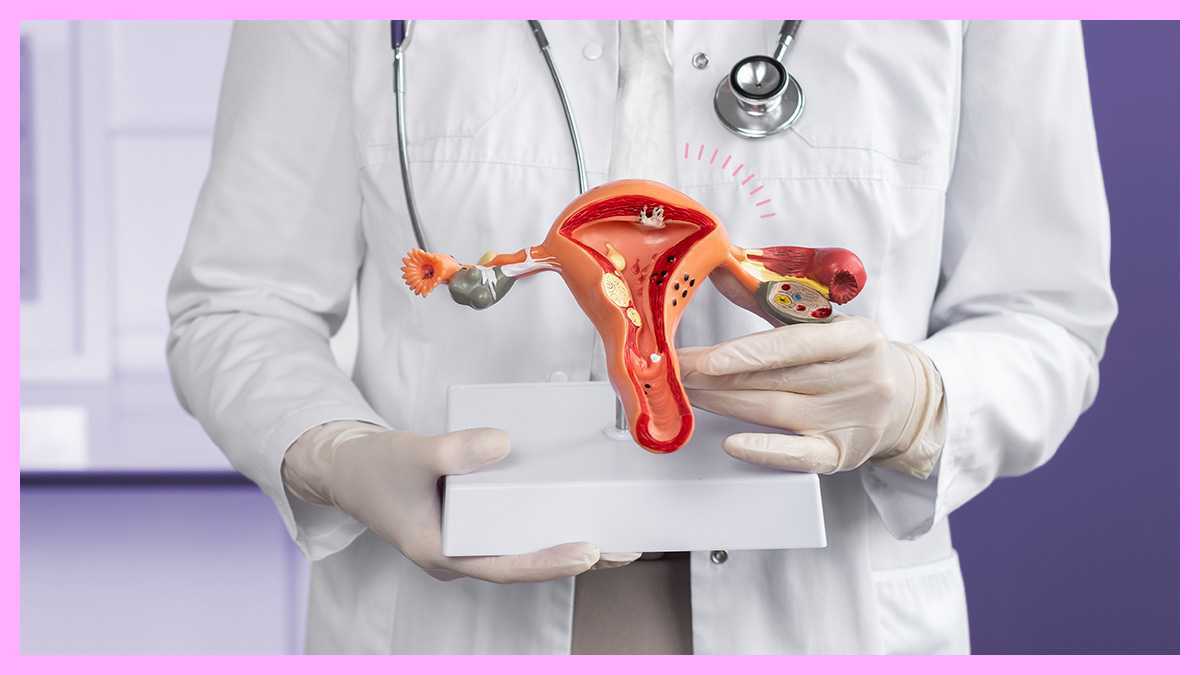
Did you know that women's health is one of the most overlooked issues globally, particularly when it comes to reproductive health? In the Philippines, the situation is even more alarming, as the country is considered one of the most dangerous places in Asia to be a woman. A recent report revealed that the Philippines ranked 93rd out of 143 countries in the Global Women's Health Index.
Gabriela Women's Party Representative Arlene D. Brosas highlighted that inadequate government funding, lack of support for healthcare, poor medical infrastructure, and a shortage of healthcare professionals are key factors contributing to this low ranking.
Clearly, it's time to prioritize education on women's health and understand the critical health checkups women should not overlook. ICYDK, here are the essential screenings and tests every woman should do at least once in her life.
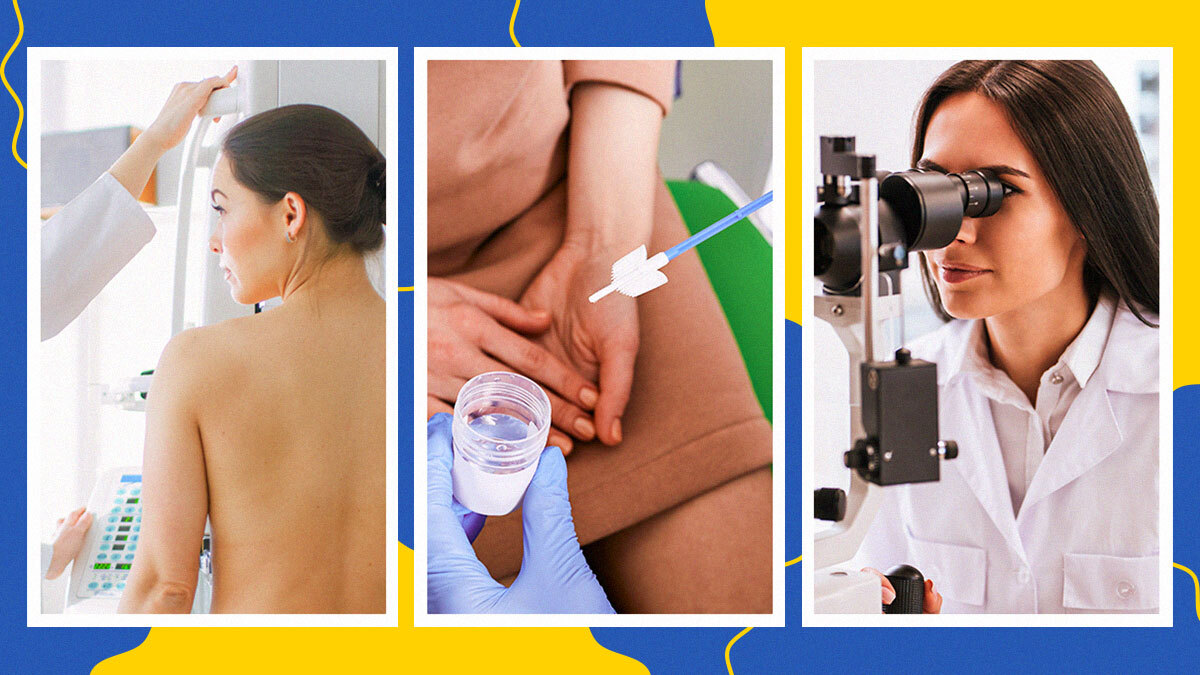
Essential Screenings And Checkups Every Woman Should Get
1. Human Papillomavirus (HPV) Tests
Human Papillomavirus (HPV) testing is a crucial tool in the fight against cervical cancer. It helps your doctor detect high-risk HPV strains that can lead to this potentially life-threatening disease. The American College of Obstetricians and Gynecologists (ACOG) recommends HPV testing as a primary screening method for cervical cancer in women aged 25 to 65, either alone or in combination with Pap smears. This approach has been shown to be more effective than Pap smears alone in detecting precancerous lesions, potentially reducing the incidence of cervical cancer and improving overall women's health outcomes.
2. Mammogram
We might not be as familiar with mammograms, but we've all likely heard about breast cancer, especially during the annual campaigns to raise awareness. A mammogram is one of the most vital screenings for early detection, which can significantly improve treatment outcomes. Mayo Clinic recommends that women at average risk start getting annual mammograms at age 40, emphasizing its importance as a key part of comprehensive women's healthcare.
3. Sexually Transmitted Diseases (STD) Tests
Before you jump to any dogmatic or discriminatory conclusions about the necessity of Sexually Transmitted Disease (STD) testing, let's address the facts. Many STDs are asymptomatic, which makes regular screenings essential for sexually active individuals. This helps catch infections early, preventing serious health complications or unknowingly passing them to others. Timely diagnosis through STD testing enables prompt treatment, reducing the risk of long-term issues like infertility, chronic pain, or a higher vulnerability to HIV.
The Centers for Disease Control and Prevention (CDC) stresses that routine STD screenings are a vital part of sexual healthcare. They recommend tailored testing schedules based on factors such as age, sexual behavior, and individual risk. Normalizing and encouraging regular STD testing can help healthcare providers reduce stigma, foster open conversations about sexual health, and contribute to overall public health.
4. Pap Smear (Cervical Screening)
A Pap smear, a.k.a. a Pap test or cervical cytology, is a procedure used to collect and examine cells from the cervix to detect potential signs of cervical cancer. The schedule for this important screening varies with age. According to Mayo Clinic, women should start having Pap smears at age 21, with follow-up tests happening every three years. From around age 25, the Pap test might be combined with an HPV test—a process known as co-testing, which is typically done every five years.
ALSO READ: 'What happens during a pap smear and why is it important for women to get it?'
Once women reach age 30, they may continue with co-testing every five years or opt for just the HPV test alone. When women reach age 65, they may consider stopping cervical cancer screening if their previous tests have been consistently normal, after consulting with their healthcare provider.