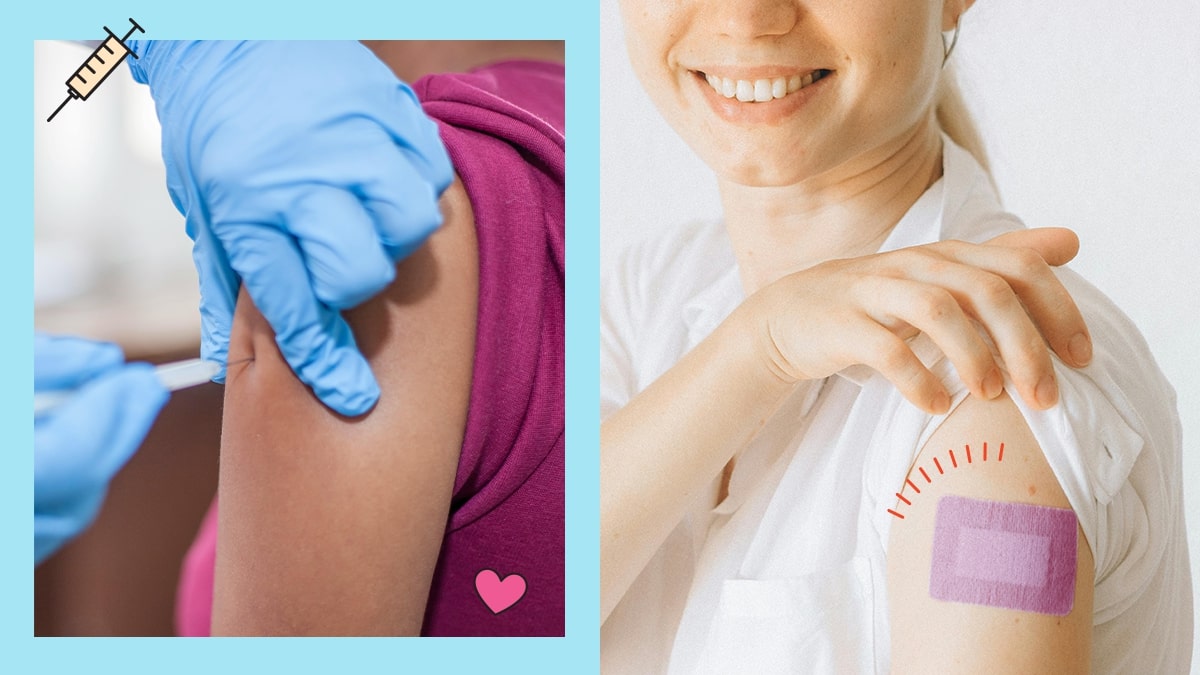
ICYDK, cervical cancer ranks as the second most common cancer among Filipino women aged 15 to 44. Approximately 2.9% of women in the general population are estimated to have a cervical HPV-16/18 infection at any given time, and a significant 58.6% of invasive cervical cancers are linked to these HPV types, according to HPV Information Centre.
A study by the National Library of Medicine reveals that cervical cancer results in about 341,831 deaths each year. Despite this grave statistic, the immunization rate among Filipino women remains low.
It's therefore crucial to address this issue head-on. The HPV vaccine is essential for preventing cervical cancer and other related conditions. Here’s why you need to get vaccinated ASAP, and how the vaccine can protect you and your loved ones.
What You Need To Know About The HPV Vaccine
Human papillomavirus (HPV) is a significant health concern due to its potential to lead to cancer. HPV is commonly transmitted through sexual activity. This is why the HPV vaccine is important for both men and women, as it helps protect against various cancers, including those of the mouth, throat, head, and neck.
Aside from cervical cancer, here are a list of HPV-related infections, according to Mayo Clinic:
- Genital Warts
- Appearance: Flat lesions, small cauliflower-like bumps, or tiny stemlike protrusions.
- Women: Often on the vulva, but can also appear near the anus, on the cervix, or in the vagina.
- Men: Typically found on the penis, scrotum, or around the anus.
- Sensation: Rarely painful, but may itch or feel tender.
- Common Warts
- Appearance: Rough, raised bumps.
- Location: Usually on hands and fingers.
- Sensation: Generally unsightly; can be painful or prone to injury and bleeding.
- Plantar Warts
- Appearance: Hard, grainy growths.
- Location: Typically on the heels or balls of the feet.
- Sensation: May cause discomfort.
- Flat Warts
- Appearance: Flat-topped, slightly raised lesions.
- Location: Anywhere on the body; common in children on the face, men in the beard area, and women on the legs.
Research confirmed that HPV vaccination significantly reduces the risk of cervical cancer and other related infections, benefiting both individuals and communities. HPV vaccines are 99% effective in preventing pre-cancerous conditions, highlighting its critical role in cancer prevention.
While you might think you don’t need the HPV vaccine because you're young or not sexually active, the Centers for Disease Control and Prevention (CDC) recommends vaccination at ages 11 or 12.
In the Philippines, the Pediatric Infectious Disease Society of the Philippines (PIDSP) and the Philippine Foundation for Vaccination (PFV) recommend the vaccine for girls aged 9 to 14. Additionally, the Philippine Society for Microbiology and Infectious Diseases (PSMID) supports HPV vaccination for females up to 26 years old to help prevent cervical cancer and anogenital warts.
View this post on Instagram
Where Can You Get The HPV Vaccine In The Philippines?
Now that you understand the risks associated with HPV, it’s clear that getting vaccinated is crucial for preventing HPV-related infections, including cervical cancer.
While health centers and other school-based immunization programs across the Philippines offer the HPV vaccine, there are additional options where you can access it:
Kindred Co
Price: P4,200
Schedule: Fridays: 2pm - 8pm and Saturdays - Thursdays: 9am - 8pm
Contact: Kindred Co Official Website
Pulse Clinic
Price: Available Upon Consultation
Schedule: Depending on availability
Contact: Pulse Clinic Official Website
Juan Medical
Price: starts at P4,898
Schedule: Depending on availability
Contact: Juan Medical Official Website