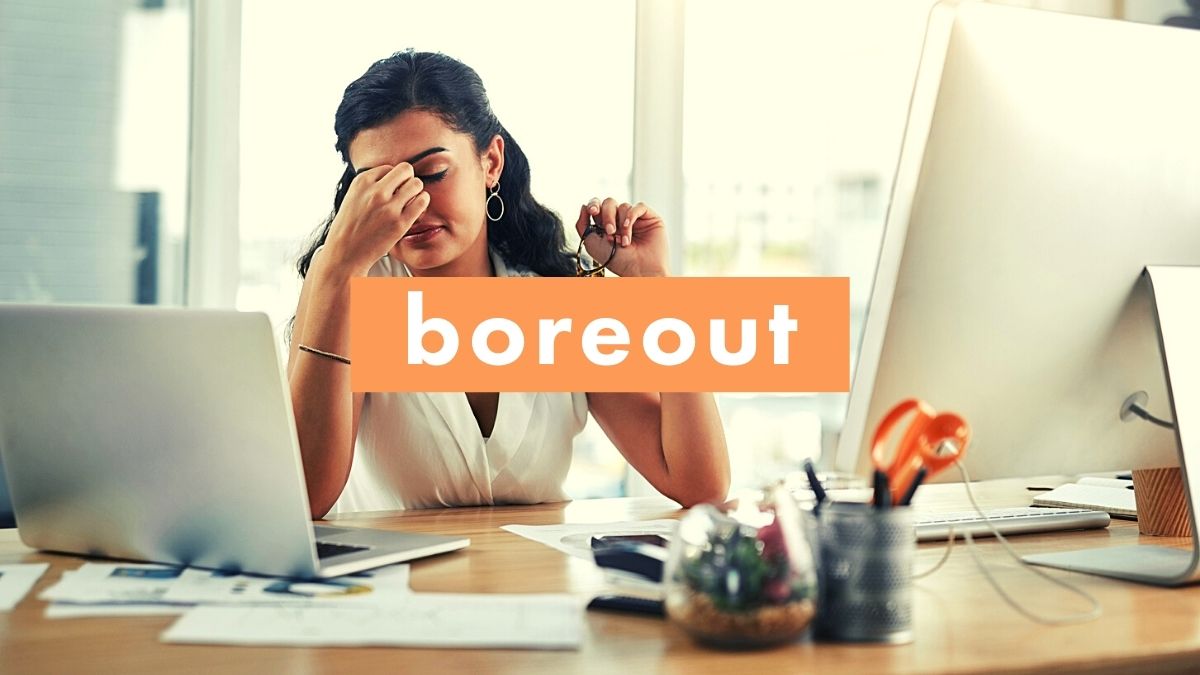
It's safe to say there are plenty of aspects of the coronavirus pandemic we've struggled with. Levels of anxiety have risen across the nation and many of us have grieved—be it a loved one, or the loss of a job. Add in various quarantine levels and restrictions, is it any wonder that this year has been a tough one for millions of us when it comes to mental health?
By now, we're all pretty familiar with the term "burnout", used to describe what happens when you're stressed or under pressure for a long time (your body can be impacted, as well as your mental state). But it seems the quarantine and working from home has brought with it a new variation of burnout, one that experts are calling "boreout."
According to Pablo Vandenabeele, a psychiatrist and Clinical Director for Mental Health at Bupa UK Insurance, boreout is a mental health condition that happens when there isn’t enough work to occupy your mind. "For example, you may feel like your work is repetitive, easy, and doesn’t challenge your abilities enough," he explains.
Pablo adds that other factors which can contribute to boreout include: swapping your daily commute for working from home, a reduced workload or losing your job, and only catching up virtually with your colleagues. "All these changes can cause you to experience boreout, so it’s important to understand the signs to watch out for." Your relationship and the general subdued-ness of life right now can also have an impact. Here, Pablo explains boreout in more detail:
What are the symptoms of boreout?
"Boreout can leave you feeling fatigued, anxious, stressed, unmotivated, and exhausted," says Pablo. "Suffering with boreout not only affects your work performance, but impacts your mental health, too." He adds that boreout and burnout share the same symptoms, but what often sets them apart is the difference in workload. "You may experience burnout if you feel overworked, but boreout is the opposite. It occurs when you don’t feel challenged by your work, or if your workload has reduced." He adds, it’s important to seek help if you need it.
"While boreout mainly affects your working life, you can experience it in your relationship too," notes Pablo. If you’re feeling lonely, worried, or anxious about your relationship, it’s important to talk honestly (and calmly) with your partner about how you’re feeling.

What can trigger boreout?
According to Pablo, a whole load of things can trigger a boreout including a reduction in your workload, a lack of social interaction with your colleagues, and feeling underwhelmed or bored in at work or in your relationship. "We’re living in uncertain times. If you’re temporarily working reduced hours, you may experience boreout. Similarly, with restaurants, bars, and gyms closed, you may be suffering from boreout in your daily life, or in your relationship."
If you’re experiencing boreout in your relationship, it’s time to get creative, he advises. "While we’re not able to experience our usual date nights outside of our homes, there are still plenty of ways to enjoy your time together again." From Netflix parties to online home workouts, why not try something new to help break the repetition?
How can you beat boreout?
If you’re suffering from boreout, it’s likely you won’t feel motivated to achieve your goals—whether at work or at home. Instead, take time to think about them and how they make you feel. "Notice how your body responds as you think about each goal and watch out for feelings of tension or anxiety," says Pablo. "If you experience a reaction like this, park that goal for now." He adds that honing in on goals that spark any sort of excitement is a good approach.
"Write down small but achievable steps to help you tick a goal off your list, as this can help keep you motivated. If it's work-related, you could run these by your manager and ask for support." If your goals are related to your personal life, such as saving money or giving your space a makeover, sharing them with a friend or loved one will help you stay on track.
Talking is also advised—be it to your partner, a friend, or your boss (especially if your boreout is work-induced). "If you’re experiencing boreout in your working life, speaking to your manager can help—ask yourself what’s causing you to feel stressed or anxious, you don’t have to leave your job for these feelings to subside," says Pablo. "Work with your manager to identify if there are any new responsibilities you’d like to take on that may reduce your boreout."
Other ways to look after your relationship during this tough time is through daily check-ins (so you both know how each other are feeling), giving each other space if you’re feeling irritated, and planning ways to spend quality time with each other.
Looking for more inspiration? Pablo suggests prioritizing self-care (even if you’re not feeling up to it, a healthy meal, quick workout, or a good night’s sleep can improve your mood and leave you feeling more positive) and exercise. "Speaking to a healthcare professional about how you’re feeling can help too," he adds. "They’ll be able to help you identify what’s causing you to feel this way, and to identify steps to take to improve how you feel."
How can I overcome boreout while in quarantine?
Although it feels like life is kind of on pause right now (and has been for a while), there are still small actions you can take that'll make a big difference. "Make a to-do list for each day and tick off anything you’ve achieved—big or small," says Pablo. "This could be something like heading out for a brisk walk, practicing mindfulness, or video calling a friend." He also recommends jotting down three things you’re grateful for each day before you head to bed. "Get creative and begin a new hobby that’s COVID-safe, too. This could be an online volunteering opportunity, learning a language, or getting busy in the kitchen with a new recipe." There’s also a heap of online self-help that can help to reduce any stress, worry, or anxiety you’re feeling.
Chin up, we're in this together.
***
This article originally appeared on Cosmopolitan.com/uk. Minor edits have been made by the Cosmo.ph editors.