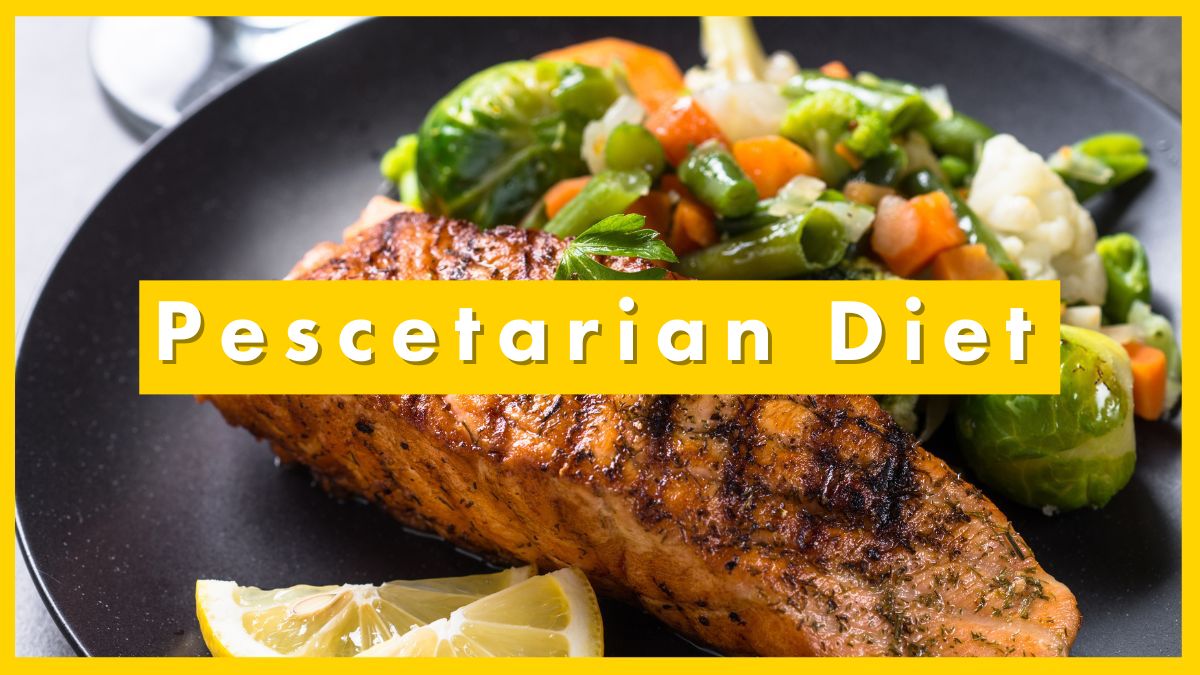
The meaning of the term "diet" has changed. Instead of the traditional notion of "food deprivation" and strict rules, a diet is now perceived as a lifestyle approach to improve health. Dieting is not just about achieving weight loss goals, but for other reasons such as caring for the environment. One type of diet that focuses on sustainability is the pescetarian diet (also sometimes spelled "pescatarian").
Celebrities like Kylie Verzosa and Max Collins swear by the benefits and the flexibility of a pescetarian diet, a sustainable and eco-friendly approach to food.
Experts affirm that a pescetarian diet is a great option if you want to add more plant-based foods to your diet but “aren't ready” to give up all animal products. They claim that the beauty of a pescetarian diet lies in its flexibility, focusing on being physically and physiologically healthy rather than the do’s and don'ts.
“A pescatarian diet is great for folks who are plant-curious, but don’t want to commit to an exclusive plant-based diet,” declared Caroline Thomason, registered dietitian based in Virginia, United States.
Kylie Verzosa shared that even though she strictly eats seafood, she does have 'cheat' days. When she travels, for example to Europe, she leaves room for a slice of pizza, pasta, or croissants. "I don't eat beef, chicken, or pork. I stay away from carbs," however the actress notes that she's "very, very healthy" and really takes care of her body.
Meanwhile, Max Collins told PEP.ph that she sometimes gets hyper after consuming meat, which became her reason for switching to a pescetarian diet. "Noong una po mahirap, mahirap talaga [yung diet] kasi naging weak ako. But then, the upside to it is naging mas calm ako."
Sounds like something you’d want to explore? Look no further! Whether you are a lifelong pescetarian or a newbie, keep scrolling. Learn more about this enriching diet and how you can incorporate it into your lifestyle.
What is a Pescetarian Diet?
Derived from the word pesce, the Italian word for fish, and "vegetarian", the pescetarian diet is an inclusive plant-based approach to eating but replacing meat, such as chicken, beef, and pork, and dairy products with seafood.
Kelsey Kunik, registered dietitian and nutritionist and owner of Graciously Nourished, said that pescetarian, compared to other plant-based diets, is more flexible and open for "variety and convenience, especially when eating out.”
As a matter of fact, some pescetarians continue to incorporate eggs and dairy products in their plant-based foods, although in limited amounts. Given its flexibility, a pescetarian diet is something worth trying, especially if you are still in the experimental stage with food and maintaining a healthier lifestyle.
What can you eat in a Pescetarian Diet?
To dispel the confusion, here are the common foods recommended by experts to incorporate into your diet when transitioning to a pescetarian lifestyle:
- Fish (like salmon, tilapia, trout, sole and cod)
- Shellfish (such as shrimp, crab, lobster, clams, scallops, oysters and mussels)
- Beans and legumes (black beans, kidney beans, navy beans, lima beans, pinto beans, soybeans, garbanzo beans, green peas, black-eyed peas and lentils to boost protein intake)
- Tofu (an important plant-based protein source)
- Fruit and Vegetables
- Nuts and seeds
- Whole grains (whole-grain pasta, bread, crackers and brown rice for added fiber and nutrients)
- Eggs (optional)
- Dairy products like milk, cheese and yogurt (optional)
These foods provide a diverse and nutritious foundation for a balanced pescetarian diet.
And because a pescetarian meal doesn't have to be boring, you may check Pescetarian Kitchen and Pescetarian Plan by Janis Librin, a registered Dietitian and Nutrition Consultant, for ideas of luscious pescetarian recipes. Mixing varieties of fish and veggies, a pescetarian diet can surely cater to a diverse set of taste buds.
Benefits of a Pescetarian Diet
For environmentalists and animal welfare advocates, the pescetarian diet can be a sustainable approach to eating food. Studies show that a pescetarian diet could reduce carbon footprint up to 50% compared to eating regular meat. The National Center of Biotechnology Information revealed that there is a high correlation between the production of animal-based foods and greenhouse gas (GHG) emissions compared to non-meat diets.
Aside from the environmental benefits, adopting a pescetarian diet can significantly impact a person’s health. Research shows that pescatarians have a longer life expectancy compared to individuals who follow a red meat and poultry diet.
Factors include that pescetarian meals are low in saturated fat, which are crucial proponents in contracting heart diseases and high blood pressure, the two major cardiovascular diseases in the Philippines, according to Oxford.
Omega-3 acids, which are the highest in pescetarian diet, replace toxic fats that often clog the arteries and affect the triglyceride levels in your blood. These healthy fats could lessen a person’s vulnerability to getting irregular heartbeat (arrhythmia).
“A pescetarian diet is associated with lower risks of cardiovascular disease and cancer,” said Deborah Ann Ballard M.D., a physician at Duke Integrative Medicine.
Aside from Omega-3, key nutrients of a pescetarian diet includes calcium, magnesium, vitamin B12, zinc, iron, and fiber, which could help supplement a healthier version of a person’s eating habits.
"People who have health problems or want to lose weight may try pescetarianism," emphasized Janis Jibrin, author of the Pescetarian Plan.
According to Oxford Academic, data in 2023 revealed that cardiovascular diseases remain the leading cause of mortality in the Philippines, labeling it as the top concern in the country's public health. Hence, adopting a pescetarian diet into the normal Filipino diet may significantly transform not just a person’s lifestyle, but even their overall wellbeing.