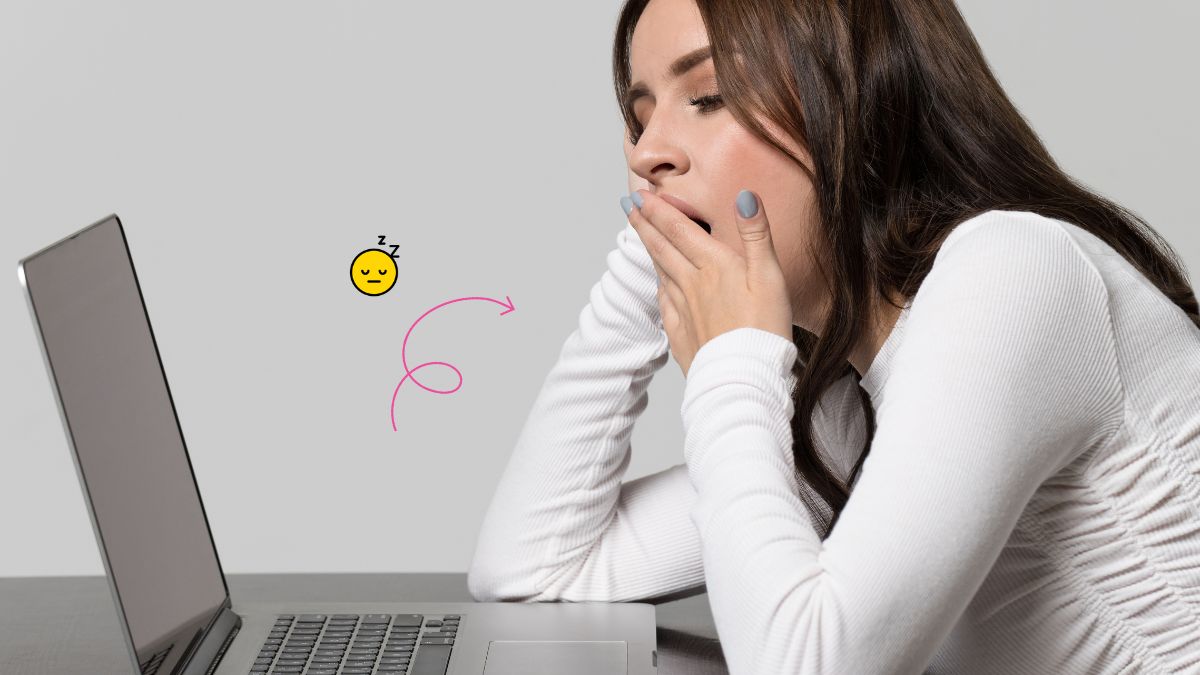
Sleep. We all get it. But, how many of us are actually getting good sleep? Apparently, not a lot. In fact, statistics show that 67 percent of UK adults suffer from disrupted sleep, whilst 48 percent admit they don’t get the right amount of sleep.
Clearly, we're a nation of poor sleepers, but it can be difficult to tell when we've actually had a bad night's sleep. After all, seven hours of sleep might leave you thinking your body has got what it needs when that's not always the case. Enter: Dr. Karan Raj.
The first sign to look out for that might suggest you're not sleeping well enough is "ravenous hunger", says Dr. Raj. "Poor sleeping patterns mean the body releases more of the hunger hormone ghrelin and less of the hormone leptin, which makes you feel full."
Dr. Raj goes on, "More hunger and less feeling full means you eat everything."
The second sign that you've had a sh*t night's sleep is that "you're selfish", the expert tells his five million TikTok followers. "[One of] the worst affected areas for a bad night's sleep is the prefrontal cortex, an area of the brain that regulates our social behaviors," Dr. Raj explains. "[This] means you're less inclined to help other people because you're awful."
@dr.karanr 3 hidden signs you are not sleeping well!
? Emotional Piano Instrumental In E Minor - Tom Bailey Backing Tracks
And that's not all, the third sign to be aware of is constipation. Yep, toilet troubles. "A bad night's sleep means the master clock in the brain is disrupted," Dr. Raj points out. "This has a domino effect on all the other tiny little cogs of the body, including your intestines, which means irregular bowels and human plumbing issues."
Tips to get to sleep and sleep better
If, after watching Dr. Raj's TikTok video, you're concerned about the quality of sleep you're getting, here are a few ways to improve that...
Stick to regular sleep hours
"Going to bed when you feel tired and getting up at roughly the same time helps teach your body to sleep better," the NHS website advises, adding that you should avoid napping where possible too. RIP lunchtime naps.
Create a restful environment
Dark, quiet, and cool environments generally make it easier to fall asleep and stay asleep.
Move more, sleep better
"Being active can help you sleep better," the NHS notes. "But remember to avoid vigorous activity near bedtime if it affects your sleep."
Confront sleeplessness
"If you are lying awake unable to sleep, do not force it," the NHS advises. "Get up and do something relaxing for a bit, and return to bed when you feel sleepier."
Write down your worries
"If you often lie awake worrying about tomorrow, set aside time before bed to make a list for the next day. This can help put your mind at rest," says the NHS.
Put down the pick-me-ups
Yep, that means saying farewell to your afternoon coffees. "Caffeine and alcohol can stop you from falling asleep and prevent deep sleep," the NHS stresses. "Try to cut down on alcohol and avoid caffeine close to bedtime."
This article is not intended as a substitute for professional medical advice or diagnosis. Always seek the advice of your physician or another qualified health provider with any questions you may have regarding a medical condition.
***
This article originally appeared on Cosmopolitan.com/uk. Minor edits have been made by the Cosmo.ph editors.