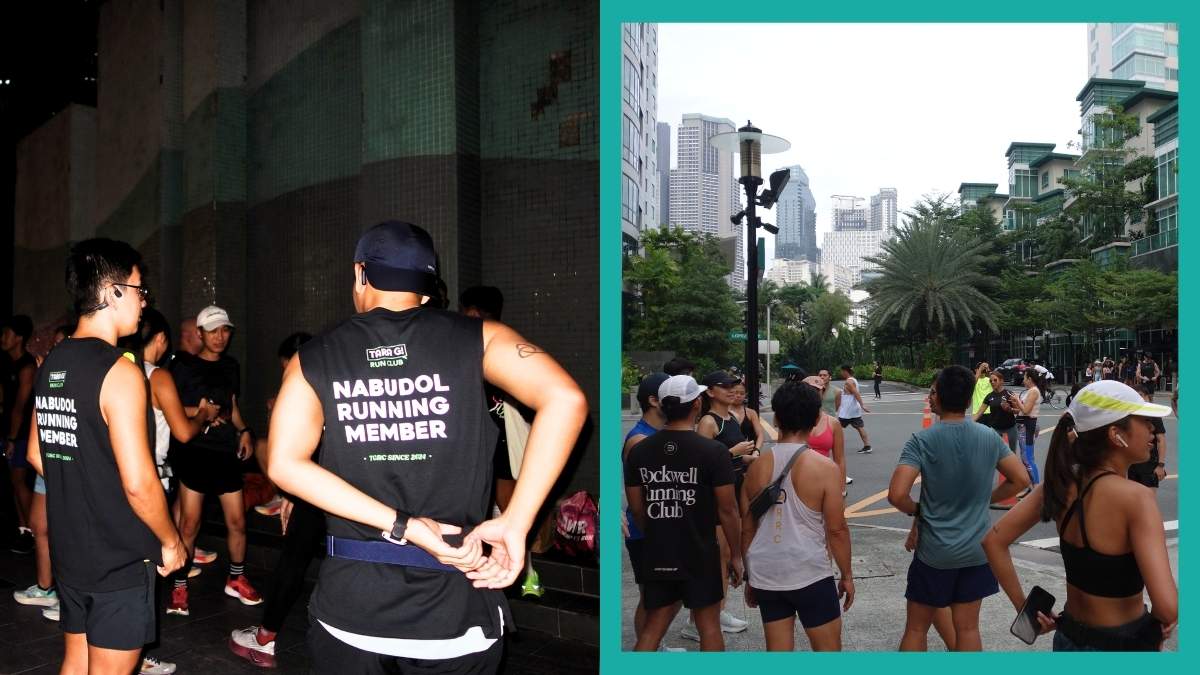
Despite all odds, this story takes place in Metro Manila. Here is a congregation of cities where over 400,000 motor vehicles congest the highway each day. Its main attractions are sprawling, air-conditioned malls—home to at least two of the world's largest—and public parks are few and far between. This is a capital region where, in 2024 alone, nearly 10,000 condominium units will be built, many within developments that promise its residents they need never step outside the gates. It rains six months out of the year and is blisteringly hot for three. And yet, this is the setting where, every week, hundreds (maybe even thousands) of people gather across cities and districts for a singular purpose: To run outside. This is the story of the people that are bringing these people together. It begins in Kapitolyo.
Creating the blueprint for run clubs in Manila
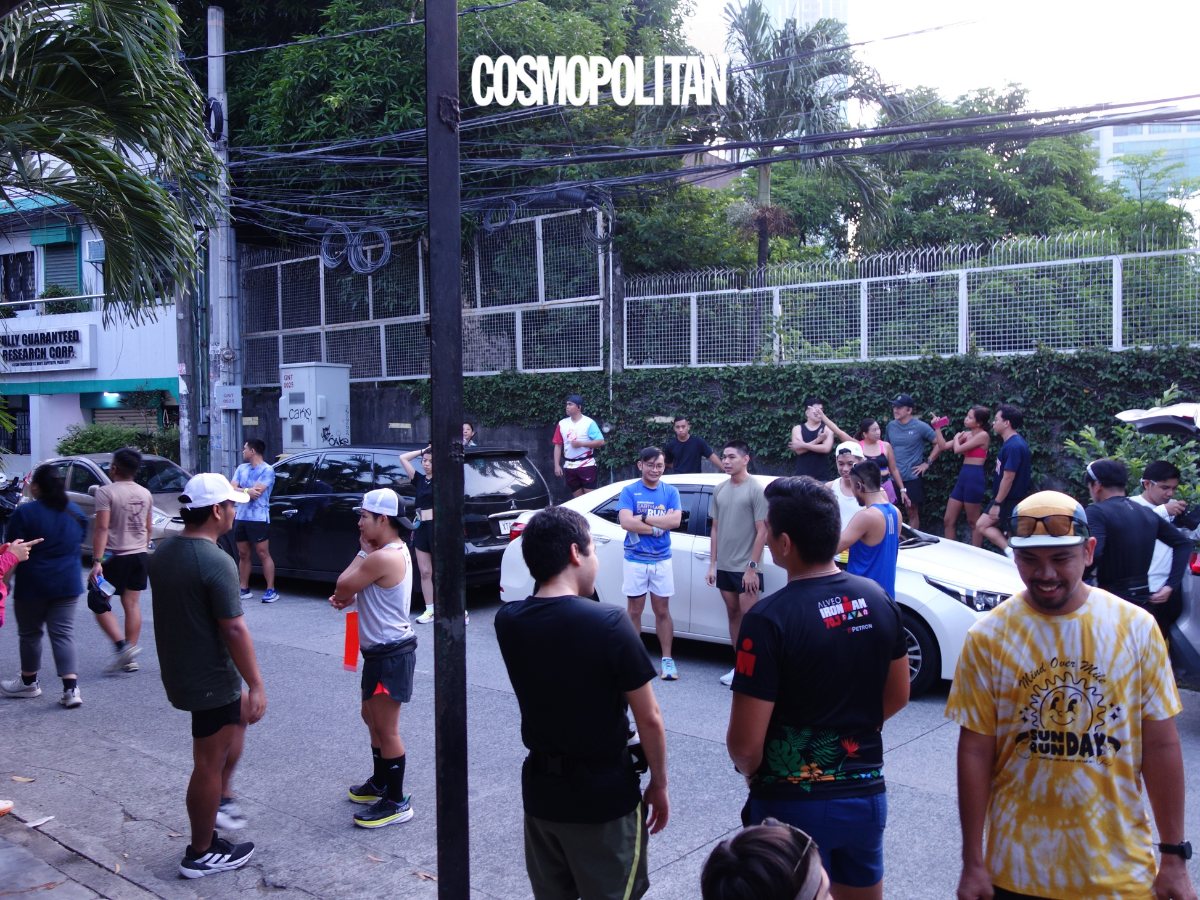
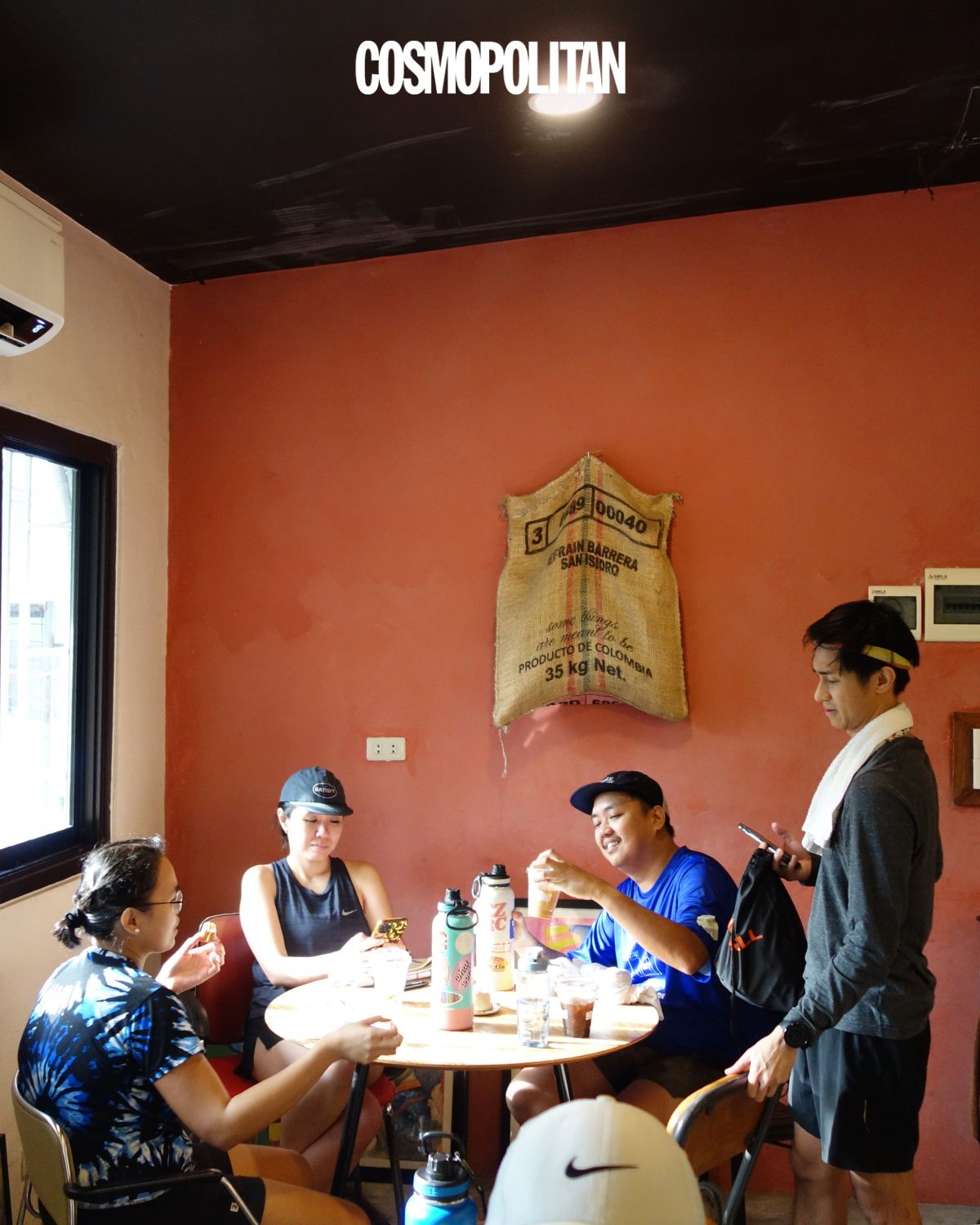
It's 5:30 a.m. on a Sunday and folks are gathering outside 1C Coffee on San Francisco Street in Pasig City. By 6 a.m., the crowd is divided into smaller groups—some will run as many as 12 kilometers, others will cycle through timed bouts of running and walking across a less-demanding five-kilometer stretch. By the time the morning's participants have finished their respective distances, the coffee shop where they first gathered will be open, ready to serve ice-cold drinks to parched runners.
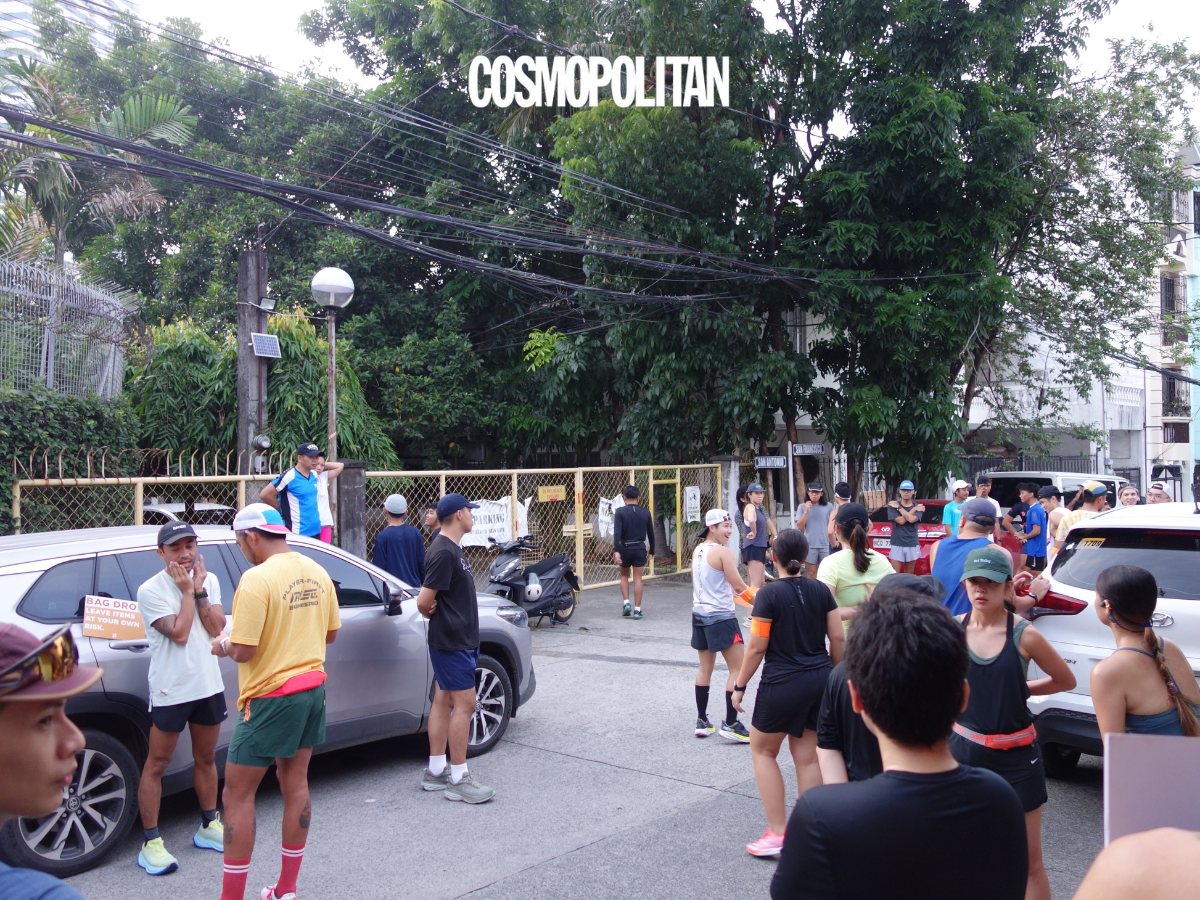
"We often call it a Sunday service," says Miguel Aldeguer, one of the brains (and brawns) behind EZ Run Club, the Kapitolyo-based run club responsible for these Sunday-morning gatherings. It was launched in October 2022 by Aldeguer and friend Dean Cunanan, who were inspired by the popularity of run clubs in other countries like the U.S., and set out to bring the experience to their own backyard. Cunanan compared their concept to that of the cycling community, which similarly flourished in response to the conditions of the COVID-19 pandemic and motivated its participants with a cup of coffee among friends after a challenging physical activity.
In its first few months, EZ Run Club (EZRC) hosted about a dozen to three dozen runners per session. By January 2023, as many as 80 were showing up to their Sunday-morning runs—a sudden influx Cunanan attributes to the New Year's resolution crowd. These days, over a hundred people gather outside of 1C most weeks. The duo encourages their growing community with two simple philosophies. The first is this: "Run everywhere."
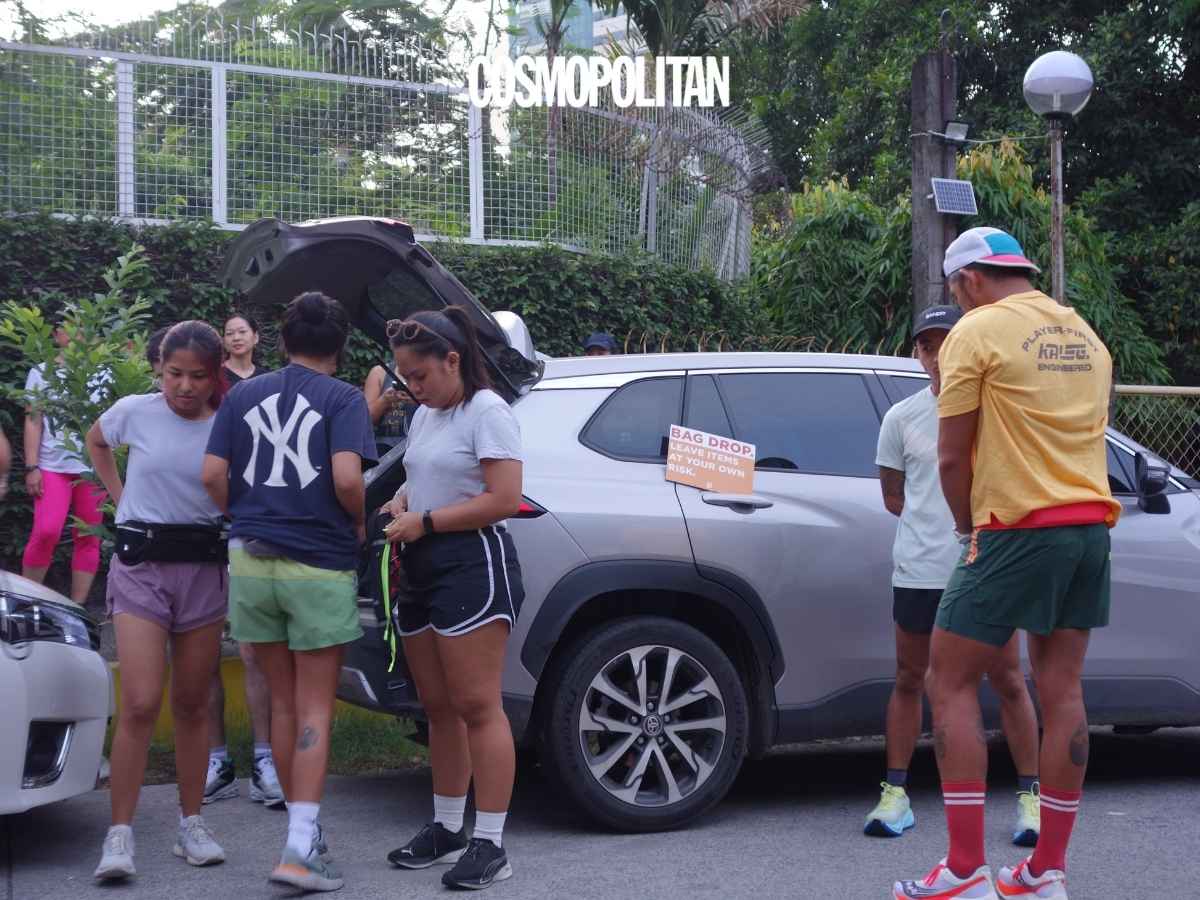
According to Aldeguer, while there were run clubs in Metro Manila before theirs—operated mostly by the marketing teams of sportswear brands—they were almost exclusively located in BGC. EZRC has taken its runners through Kapitolyo, Ortigas, Arcovia, Greenfield, Shaw Boulevard, Greenhills, U.P. Diliman, and yes, BGC, too. As the sun slowly rises, runners venture through roads normally lined with cars and are treated to the rare sight of a quiet, still-sleeping city.
In many ways, Aldeguer and Cunanan are exactly the type of people you'd expect to operate a run club. Elite runners and competitive athletes, the duo set up their club to be the "polar opposite of who we are," says the former. EZRC is neither an exclusive membership where only the best of the best can join nor a training camp where newbies are meticulously coached. There is no sign-up sheet, no qualifying exam, and no participation fee. "We don't really want to limit running to a certain population," says Aldeguer. According to Cunanan, the club has seen everyone from national athletes and student-athletes to senior citizens and even kids. "Kung ano 'yong fitness level mo ngayon, we're happy that you're here," he says, proudly announcing the club's second tenet: "All paces, all faces."
Forging new routes
Following EZRC’s success, run clubs big and small have popped up all over Metro Manila. "Tingin namin na we kinda gave the blueprint out when they started observing how we operated," says Aldeguer, who says he's thankful that people are offering a similar experience to their own communities.
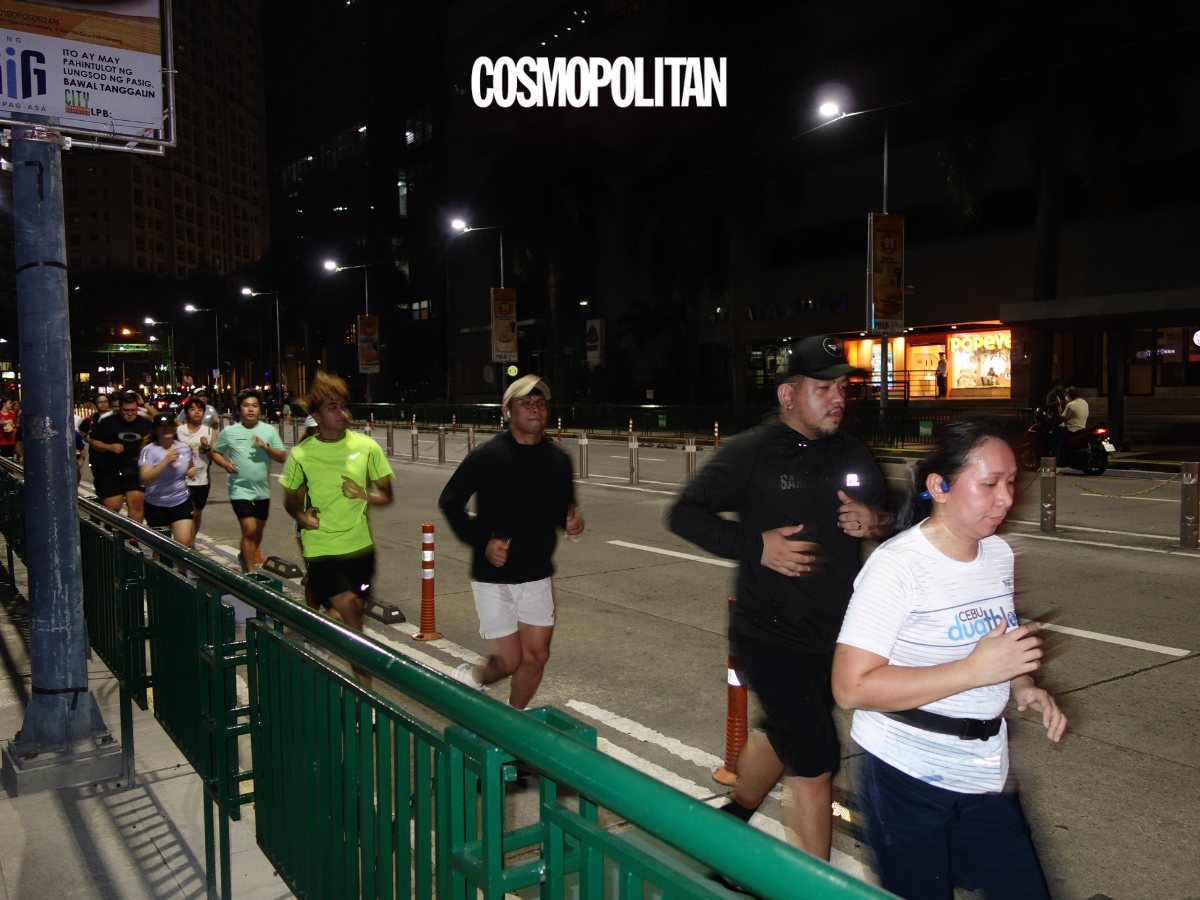
In fact, just three days after the duo's so-called Sunday service—and just a few kilometers down from their meeting spot—you can head to Ortigas Park for a session with Tara G! Run Club. Let's set the scene: It's 6:30 p.m. on a Wednesday and a mix of (mostly) 20- and 30-somethings form clusters around the park as one founder circles its grassy center, offering stickers sporting the club's logo to first-timers. By 7 p.m., two groups—one running seven kilometers and the other running-walking five kilometers—begin their journey through the CBD's bejeweled streets.
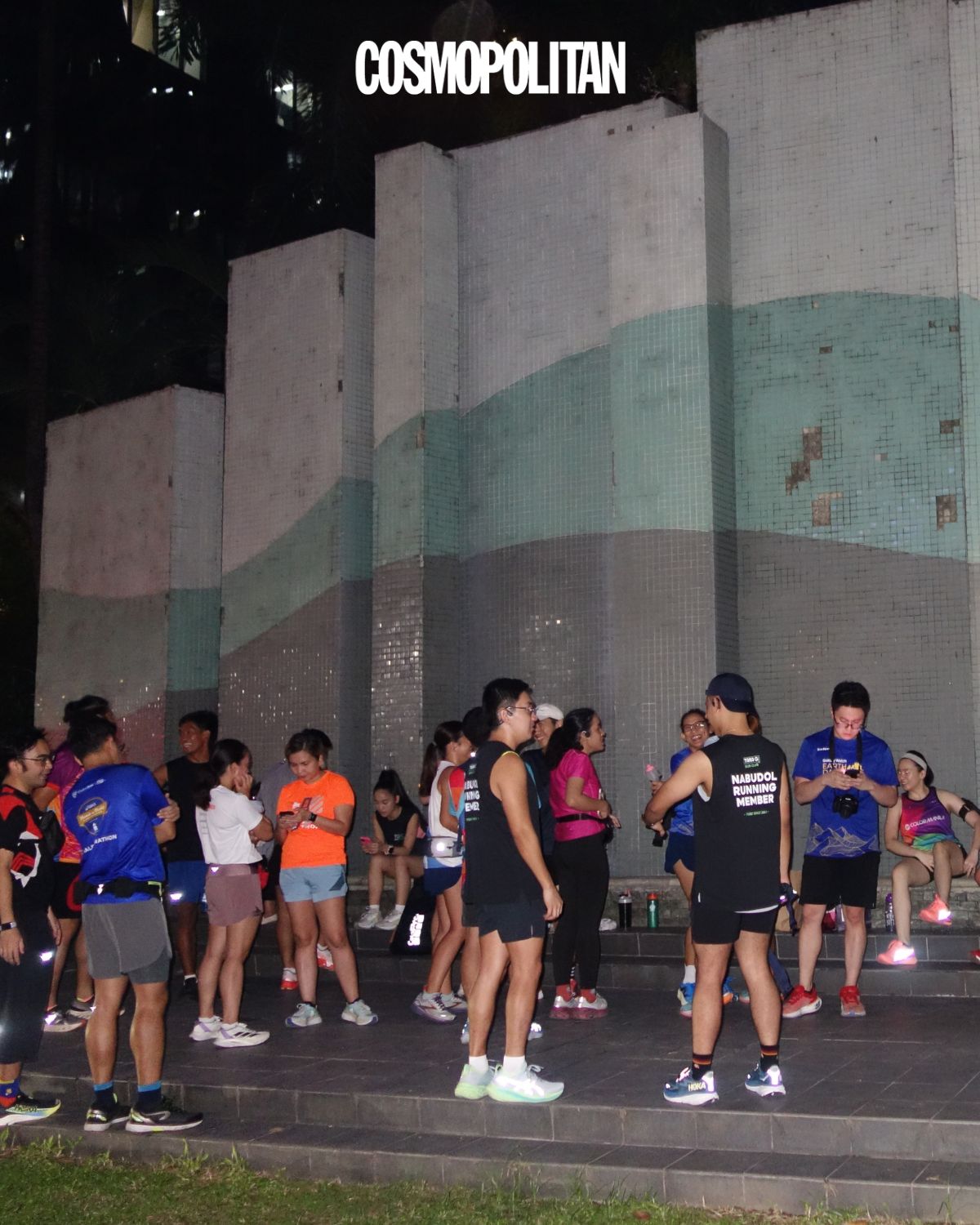
The first thing you should know about Tara G! Run Club (TGRC) is that none of its three founders are world-class athletes. Coworkers-turned-co-founders Paulo Dela Cruz, Raf Manzano, and Mico Panis began their running journey as recently as 2023—and even took part in EZRC along the way—before setting out to form their own run club in January 2024. The club's name recalls how their own cardio habit began. "It just started with us three nagbubudulan," says Manzano, using a slang term denoting the act of persuading someone into doing something. "And then we actually used the term 'Tara, G?' to invite other people…[it's] our way of saying to the people, 'Hey, join us and invite your friends, too.'"
It was the very experience of having other people along for the ride that showed the co-founders that running could be enjoyable. In the beginning, running "seem[ed] tedious…or parang boring or very mentally challenging," says Dela Cruz. "One thing na nagpush sa amin to continue is running with a group." And so when he adds later that they "want to share the love for running with other people," you know it's coupled with the understanding that that love takes some time to build—and more often than not, is better built with friends.
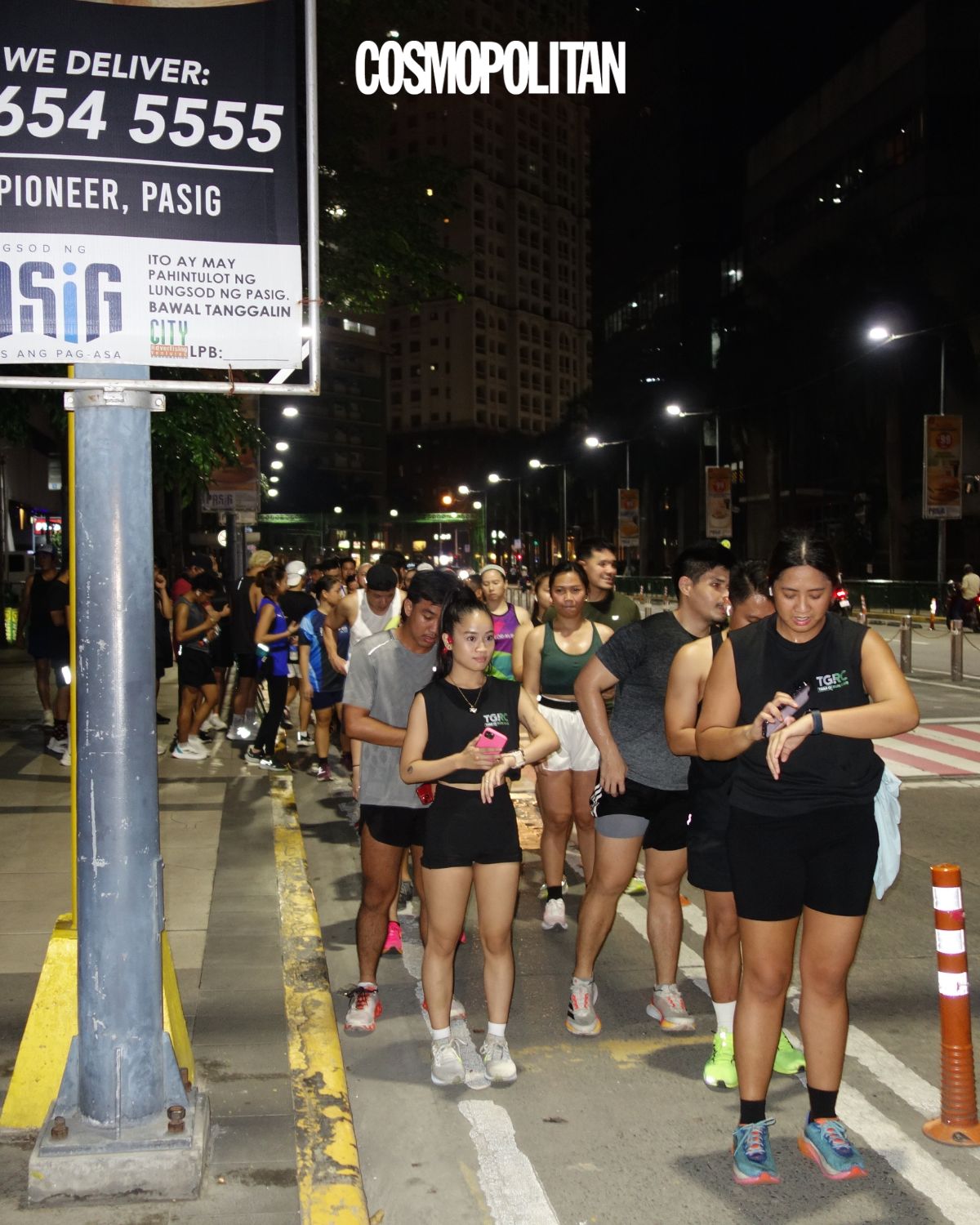
In many ways, it's as if the trio took their own dynamic and expanded it into a community. "It was all very organic—word of mouth, friends of friends," says Panis. On Instagram, TGRC's bio reads: "Para sa mga tumatakbo at madaling mabudol tumakbo (To those who run and those who are easily persuaded to run)." They call their weekly runs "Budol runs" and encourage their participants to #BudolTogether. Where EZRC set the blueprint with accessibility and inclusivity, TGRC keeps it as simple as just asking folks to join in on the fun. "We're just here to continue to build that budol culture," says Panis.
Over in Makati's Rockwell neighborhood, former college basketball player Ashley Cayuca paints a similar picture of learning to love running in increments—albeit a little more bluntly. "I hated running all my life," she says, recalling being forced to run as a form of consequence during basketball training. "So everyone was surprised when I started a run club."
What would later become Rockwell Run Club started as a form of therapy for Cayuca who, at the time, had just quit her job and wasn't quite sure what to do next. "I'm going to just start running to forget and to destress and challenge myself even though I suck at it," she told herself. With lighthearted laughter, she recounts an early day in her running journey when, after deciding to run a quick three kilometers, she stopped after a few hundred meters.
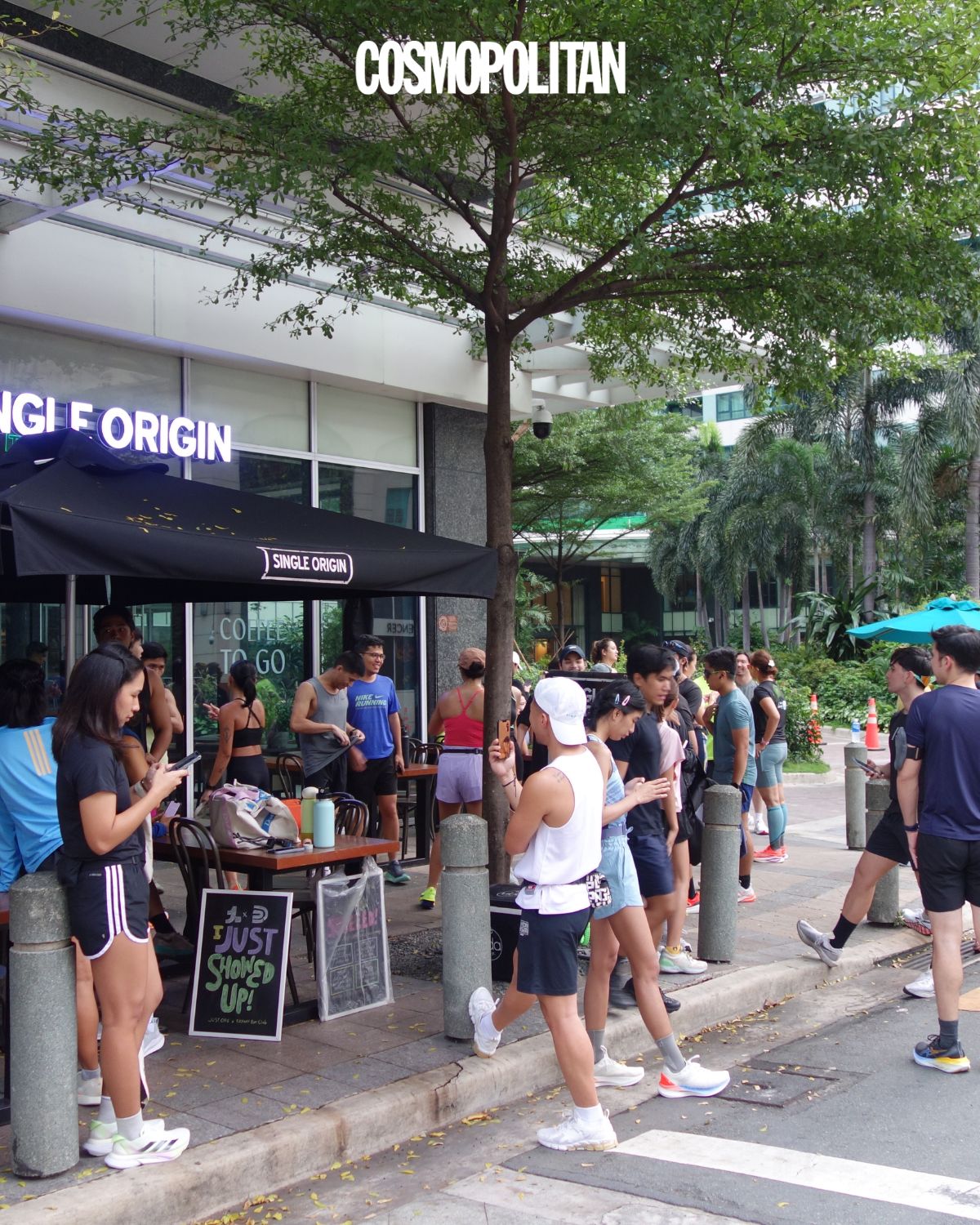
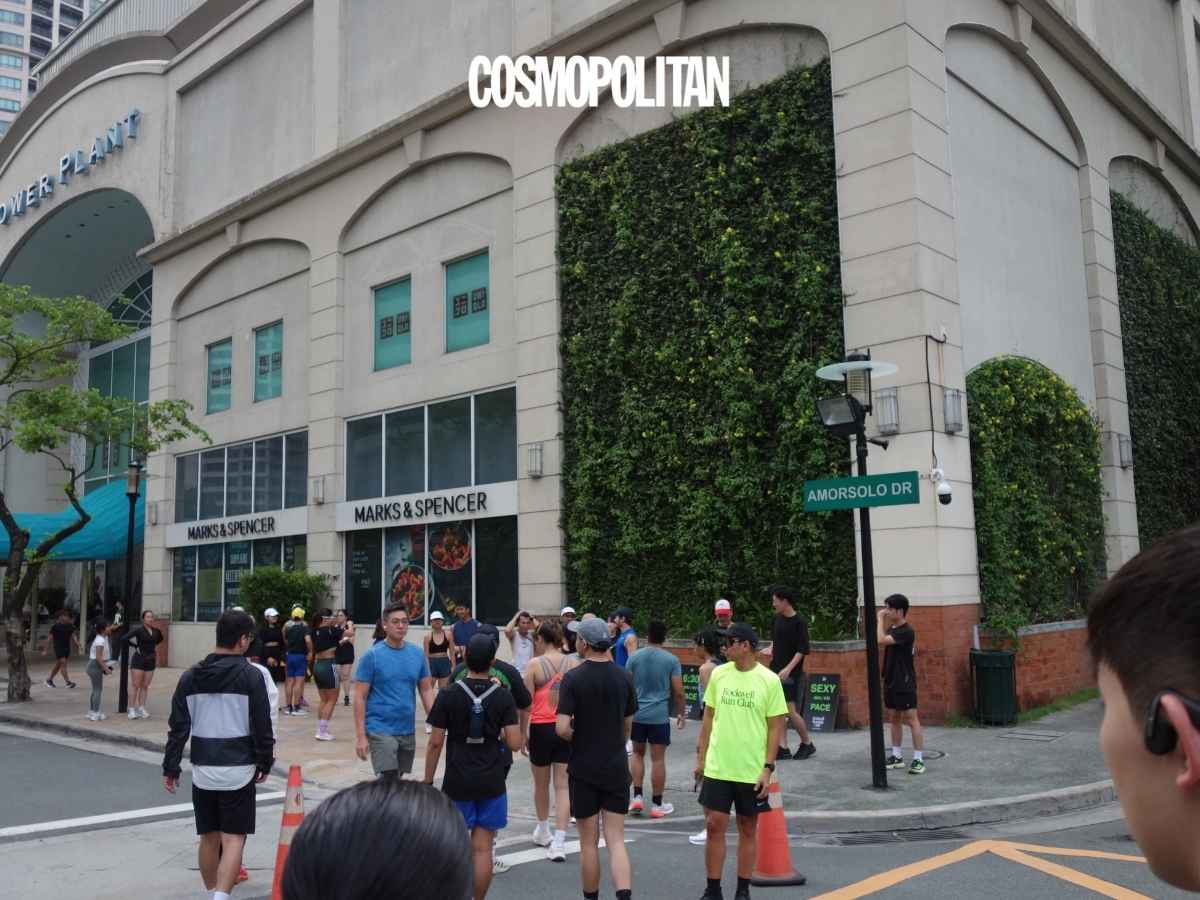
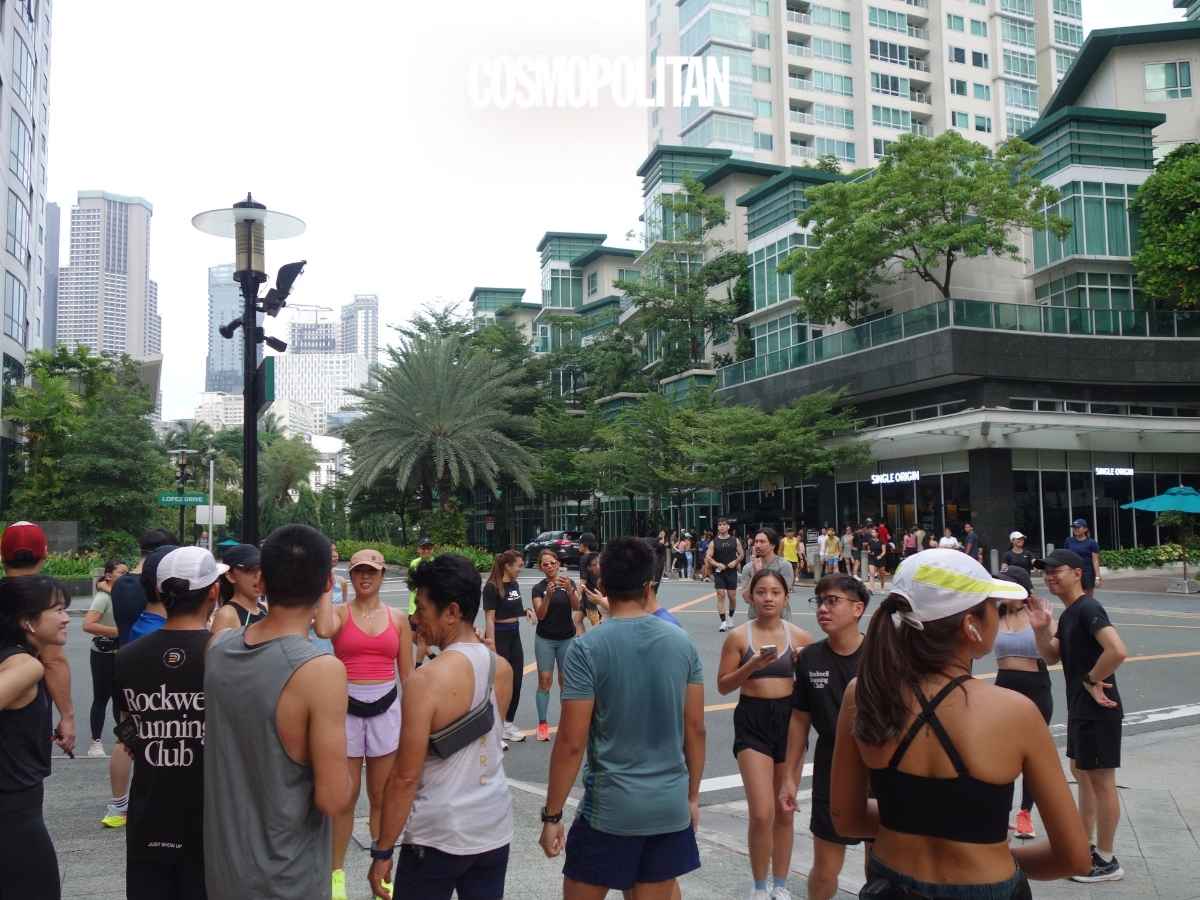
Realizing she needed an accountability partner, she began to invite neighbors and friends to accompany her. From a group of five, the pack grew to 10. Eight months in, 30 people—many of whom were friends of friends or even strangers—were participating. Rockwell Run Club was born. Their mantra? "Just show up," says Cayuca. "We always tell people [that] that's the only thing that you have to do." And show up they do. Today, as many as 200 people gather every week for the club's Tuesday-morning sessions.
The new dating apps?
Aside from the three aforementioned stops in my week-long run-club pilgrimage, there are so many more run clubs all over Metro Manila—perhaps more than most people realize. There's the 5AM Gang Run Club, which operates smaller clubs all across the Metro and boasts a public Facebook group of about 20,000 members. There's RWP Run Club, which has led its participants through Alabang, Pasay, and even Los Baños. There's the Las Piñas-based It's Southerday Run Club catering to folks on the south side of the region. There's also the After Party Run Club with a name befitting its target audience (college kids in Katipunan), the Red Light Run Club, which similarly lives up to its name (they're based in Poblacion), and the U.P. Run Club (self-explanatory), just to name a few.
By now, we've established that swaths of people are either waking up at the crack of dawn or suiting up after their 9-to-5 to take part in these run clubs, which begs the question: Why? Not for novelty—running, perhaps the single most democratic sport of them all, has been around for ages. For physical health? Sure, but there are other (probably more convenient) ways to get a workout in. And before you say it, no, not for the prospect of finding a romantic partner, either.
Back in July, we here at Cosmo briefly examined the growing sentiment that run clubs are the so-called new dating apps. Every title from Vogue to Business Insider to The New York Times offered perspectives on the phenomenon, often coupled with anecdotes of real-life meet-cutes. When asked about the perception, EZRC’s Aldeguer chooses his words carefully. "It's not really the narrative we want to push to people," he says. His co-founder mostly agrees. "If your goal is to go to a run club to find someone to date, that doesn’t sound right," says Cunanan. "May ibang mga places for [dating], and I think run clubs aren't that place.”
READ MORE: Running Clubs Are The New Dating Apps, Says The Internet
For TGRC's Dela Cruz, the notion seems to homogenize the crowds that these run clubs gather. He notes that their club's running groups are often a lot more diverse than you'd expect, attracting coworkers, students, families, or even parents and kids—not exactly a singles mixer. "Actually, 'di ako sure paano nag-start 'yong dating app angling," he continues. "From what we see weekly, it's a gathering of a lot of different people with different objectives."
Rockwell Run Club's Cayuca, on the other hand, doesn't mind the idea, but she does expand on it. "It's not just for [dating]. It's for everything—like connecting and networking," she says and notes that while every participating runner has different objectives, they typically come back for the kinship more than anything else. "I think people are looking for communities," she says. "They want to feel like they belong."
This writer can attest: The experience of joining a run club is as much a social one as it is a physical one. In all three of my run-club visits, I spoke to people before, during, and after the actual runs, and most approached me first. Pacers were assigned to lead each sub-group through every planned route and keep participants motivated along the way. Sweepers were tasked with trailing the group and making sure no one was left behind. There were agreements to point out road obstructions and untied shoelaces. We laughed along bumpy walkways and shaky overpasses. We took photos at stoplights and urban monuments. We smiled for videos taken by people we had only met that same day.
While the Internet is littered with success stories of people finding love at their first 5K, less attention is given to the friendships formed in these road-running sessions. "Personally, I've met…other runners that became a part of my life right now," says Cunanan. "I go cycling with them. I go to the mall with them, watch movies with them, ganon. It's like a new friendship circle." Similarly, Panis shares that his group of friends has grown because of the running community. "[I've met] people I probably wouldn't meet on a normal basis."
Shared struggles
You could make the argument that people can commune anywhere, doing any activity, but as Panis notes, it's that sense of "struggl[ing] together…that brings a different kind of bond." Think of the coworkers you create bonds with under mutual stress, or the hardships that bring you closer to your friends and family. While some see the strain built into running as a deterrent—as opposed to less physically demanding group activities you can do around the city—what they don’t realize is it's part of what keeps people coming back.
Metro Manila's run clubs offer the kind of community that doesn't shy away from discomfort, but simply promises you won't feel it alone. "Running sucks at first," says noted elite athlete Cunanan, before quickly promising that "it gets better." And how do you make it better? "Find a group that can help you," says Manzano. "Running at some point could be tiring, but at the same time…running with a group of people lessens that fatigue."
According to Aldeguer, EZRC often receives messages on their Instagram page from folks concerned that they won't be able to keep up, won't have the right shoes, or just won't blend in with the group. But for him, these doubtful sentiments are the very reason run clubs exist. "It'll probably be difficult at first, but you know, that's what communities are for," he says. "We lift each other up."
So the struggle brings the group together, but the presence of the group significantly decreases the perceived struggle. Run clubs, then, operate on a kind of self-sustaining paradox: Some seek the group to ease the struggle and others seek the shared struggle of the group setting. This is the good news that every run club proclaims: No matter which category you fall into, there will always be a community to turn to when you need it.
Run clubs, then, operate on a kind of self-sustaining paradox: Some seek the group to ease the struggle and others seek the shared struggle of the group setting.
Despite all odds, this story takes place in the notoriously car-centric, flood-prone, increasingly isolating, barely-even-walkable Metro Manila. But perhaps it's in a setting like this where people need these communities the most. Run clubs are not an escape from the city, but rather a reimagining of what the city can be for those of us living in it—a place to explore on foot, a place to meet people outside of our obligations, a place where we struggle together.