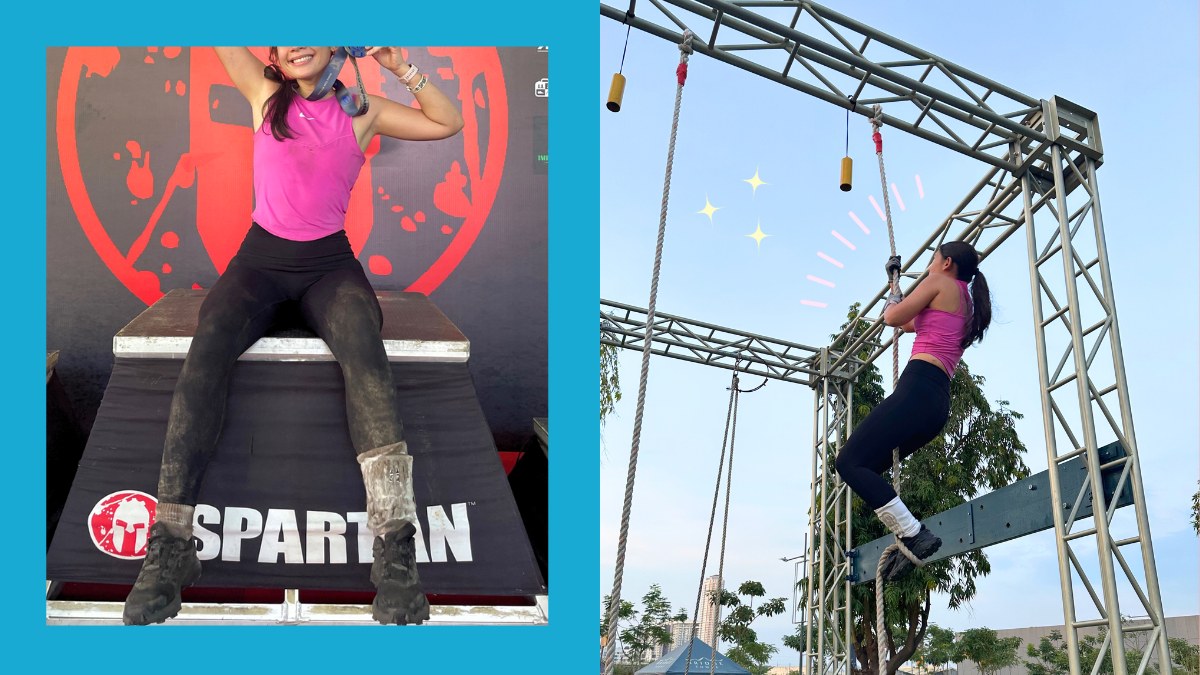
When I told my friends that I was joining a Spartan Race, no one believed me. It was January 2023 and I could barely even believe I'd signed up less than two months before the actual race in mid-February. But by May of that year, I had successfully finished two. I certainly didn't win or even perform in any particularly impressive way, but I did it. And for me, that in itself was already a pretty spectacular achievement.
One thing that I should make clear from the get-go is that I had almost no athletic background when I registered. I could list some casual fitness endeavors here and there: I took badminton lessons for a few summers as a kid, I did a few years of Muay Thai training with friends, I had tried some YouTube workouts here and there—you get the gist.
It seems like the whole thing was kind of a random, sudden occurrence. But I tend to think of my Spartan experience as the result of a domino effect.
It all started when I learned to really like walking in the middle of the pandemic when there wasn't much else to do or anywhere to go. Yes, walking. It may sound trivial, but I often think it was the single biggest determining factor in all this. The hardest part is starting, as they say. My low-effort hot-girl-walks taught me a few simple things.
What I Learned From Getting Into Fitness
- Exercise didn't have to be torture—in fact, I could enjoy it.
For years, I believed you had to suffer through a grueling jog or an intense HIIT session if you wanted to move your body, but it turns out you can just put on a pair of sneakers and stroll around your neighborhood. - Doing anything often enough really does turn it into a habit.
I would sometimes walk in the morning before work or in the evening after clocking out. I looked forward to these walks and the more I did them, the easier it was to just keep doing them, and the more I made sure to carve out time for them. -
Progress feels good; a little addicting even.
I’d make it a point to walk a little farther or log more steps each day, and I was proud of my small wins.CONTINUE READING BELOW ↓watch now
I kept this walking habit up for several months. Eventually, I decided to take things up a notch and get an actual gym membership. By October 2022, I was attending a mix of resistance-based and cardio classes about two to three times a week.
I wasn't really "good" at going to the gym. I could barely lift a weight and it took some time to learn the correct form of most basic exercises. But hey, I was showing up. I got stronger, my endurance improved, and surprisingly, I was having a good time. Unfortunately, it's true what they say—working out consistently really does make you happier in the long run.
How I Joined My First Spartan Race
Just a few months after I started working out more seriously, a coach at my gym suggested that I sign up for the upcoming Spartan Race. A couple of other people at the gym were planning to join, so the idea was that we could all train and race together. I mostly laughed this suggestion off (because who did I think I was? Usain Bolt?), but that coach urged me almost every day to sign up.
It wasn't so much the persistence that convinced me; it was more so that he always told me, "Kaya mo 'yan." It might sound silly, but it was meaningful to me that someone was willing to believe in me when I clearly didn’t even believe in myself. So, with a tremendous amount of anxiety and no idea what to expect, I signed up.
What is a Spartan Race?
The Spartan Race is a series of obstacle races in varying ranges of difficulty. The most basic version is known as the Sprint (the one I signed up for), and it's made up of 20 obstacles laid out across a five-kilometer stretch. Obstacles include things like climbing a six-foot wall, swinging through monkey bars, carrying a heavy bucket across a few hundred meters, and a rope climb.
The goal of the Spartan Race is to get through the entire course in as little time as possible and successfully finish each of the 20 obstacles properly. That means climbing the rope all the way to the top or making it to the other end of the monkey bars without falling off.
If you're unable to finish an obstacle properly, you have to do 30 burpees. At the finish line, you have to jump over a small wall of fire—not as scary as it sounds, but definitely makes for cool IG photos. Then, you're awarded a medal for your efforts. (And muddy leggings.)
Plenty of serious racers, lifelong athletes, and generally fit people sign up for these races. Some join repeatedly to try to beat their personal records or get a podium finish. But in my case, I just wanted to have fun, cross the finish line, and walk out in one piece.
How I Trained For My First Spartan Race
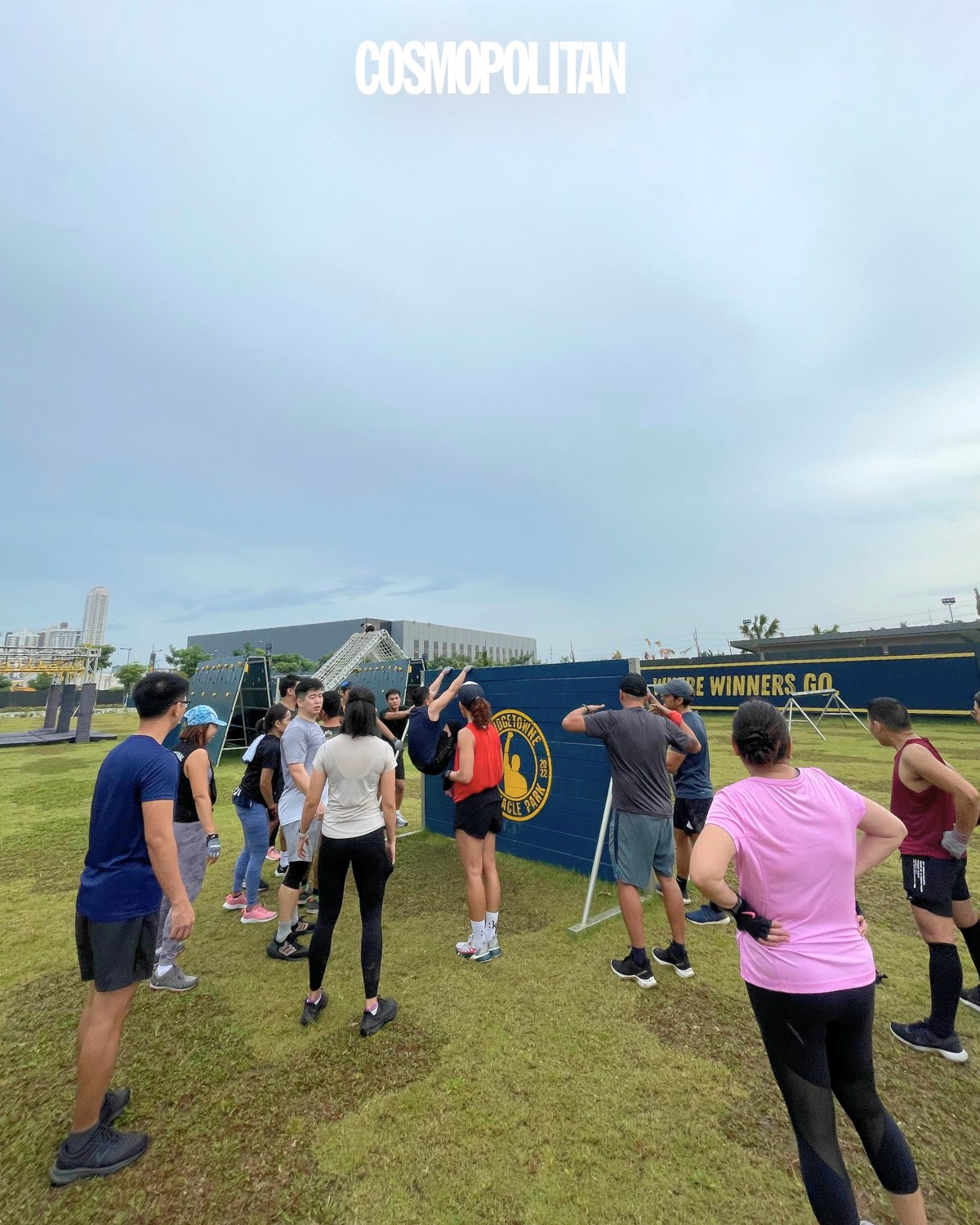
On our first official day of training, I found myself at Bridgetowne Obstacle Park in Pasig City at 7 a.m. on a Sunday. I met up with the aforementioned persistent coach along with a few other coaches and members of the gym.
Fitness communities have always intimidated me because I've always had this unwelcoming projection of them in my head; like they'd be dismissive of people who couldn't keep up with their level of athleticism. But looking back, even if I had decided to join the Spartan Race on my own, I never could have done it alone. I began to understand why people joined run clubs or rock-climbing groups or yoga-mom barkadas. It helps to have people around to share the journey with you.
To be honest, I wasn't taking training that seriously when I started out—or rather, I wasn’t taking myself seriously. The idea that I was doing this whole thing still seemed laughable and it took me a while to see myself as the kind of person who could succeed at finishing an obstacle race.
But again—it can't be overstated—progress is addicting.
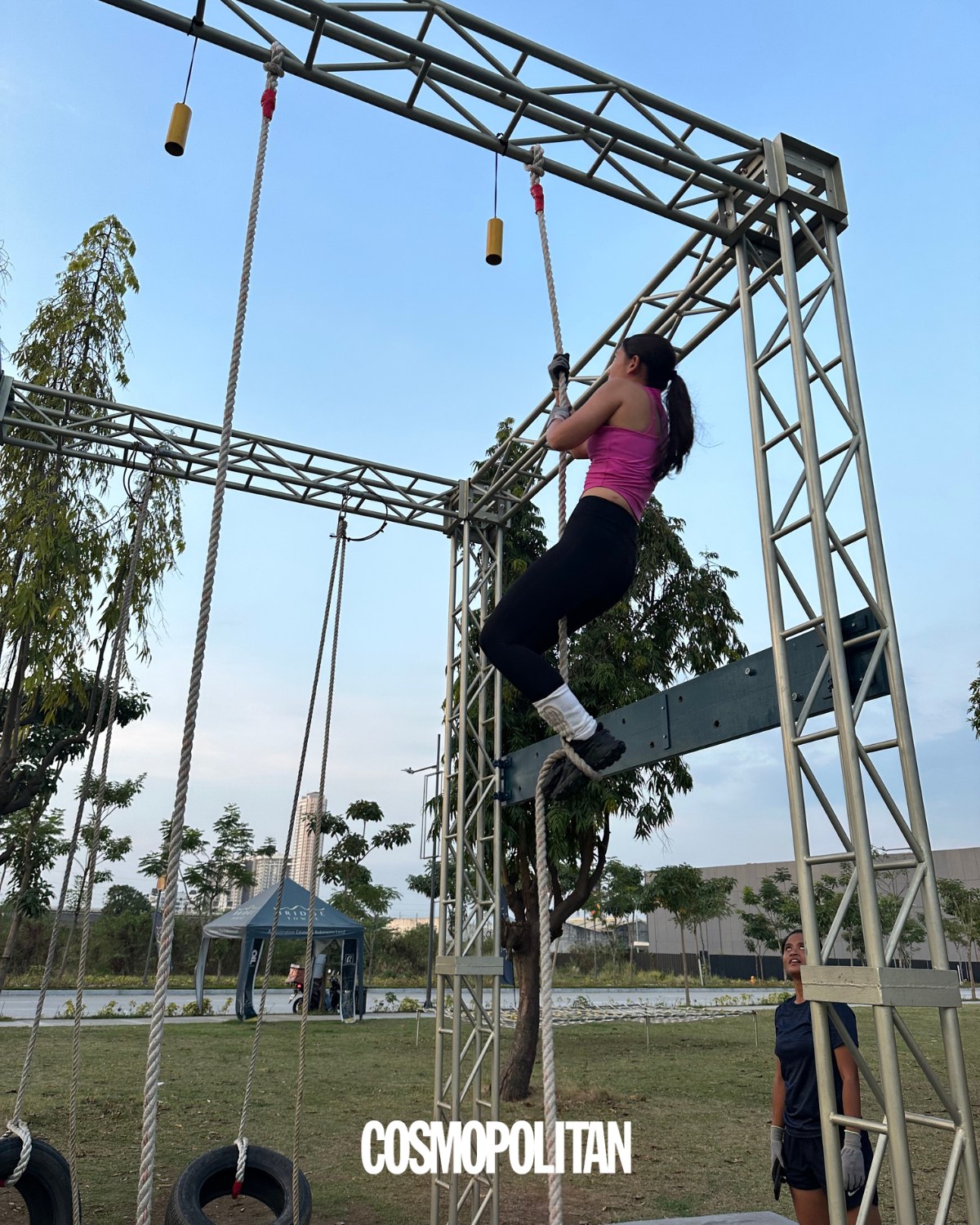
After a few training sessions, I improved and even completed some of the obstacles I was practicing. I was watching my friends improve, too. I often felt like the weakest link in the group, but if everyone else was willing to try (and sometimes fail), then I owed it to myself to try, too.
What followed was a weeks-long excursion of hours spent under the sun, layers of medical tape over blistered hands, and ice packs on sore muscles. Together, we practiced every obstacle, observed each other, provided feedback, and shared tips. In between training sessions, we'd enjoy post-training lunches, Decathlon shopping sprees, and progress updates over the group chat. My fellow first-time racers and coaches helped me figure out what type of shoes and equipment to buy, how to treat my scratched-up hands and body pains, and what food to eat to prepare for the physical demands of training. In those eight-or-so weeks, my entire life revolved around the Spartan Race.
What's a Spartan Race day like?
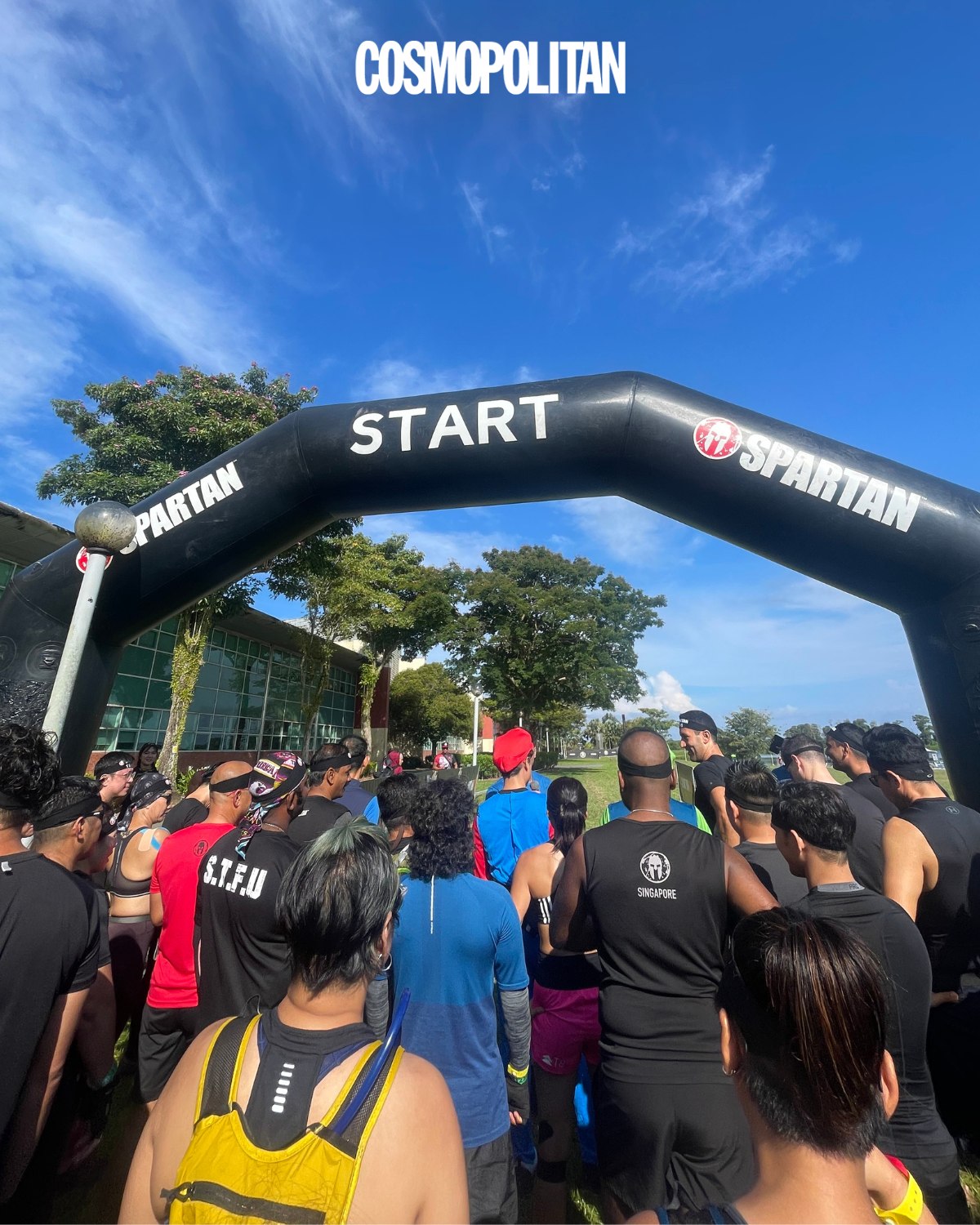
The actual race took place three days before my 27th birthday, so it did kind of feel like I was entering a brand-new era. After a quick drive to Cavite, a light breakfast, and a long registration line, we were at the starting line just before 9 a.m. I remember a rush of adrenaline as I ran, climbed under wooden walls, waded through shallow water, and crawled through mud.
Whereas training involves a lot of thinking—like figuring out how best to complete an obstacle or assessing your mistakes—racing is a nonstop experience. Run farther, climb higher, keep moving. The instinct is thrilling and it also means the race itself is nowhere near as anxiety-inducing as preparing for it.
Each new obstacle in the course was its own unique experience. The monkey bars were further away from each other than the ones we had practiced on, six-foot walls were extra slippery after hundreds of people had climbed over them, heavy objects induced fatigue early on, and the muddy, up-and-down terrain presented new challenges all throughout.
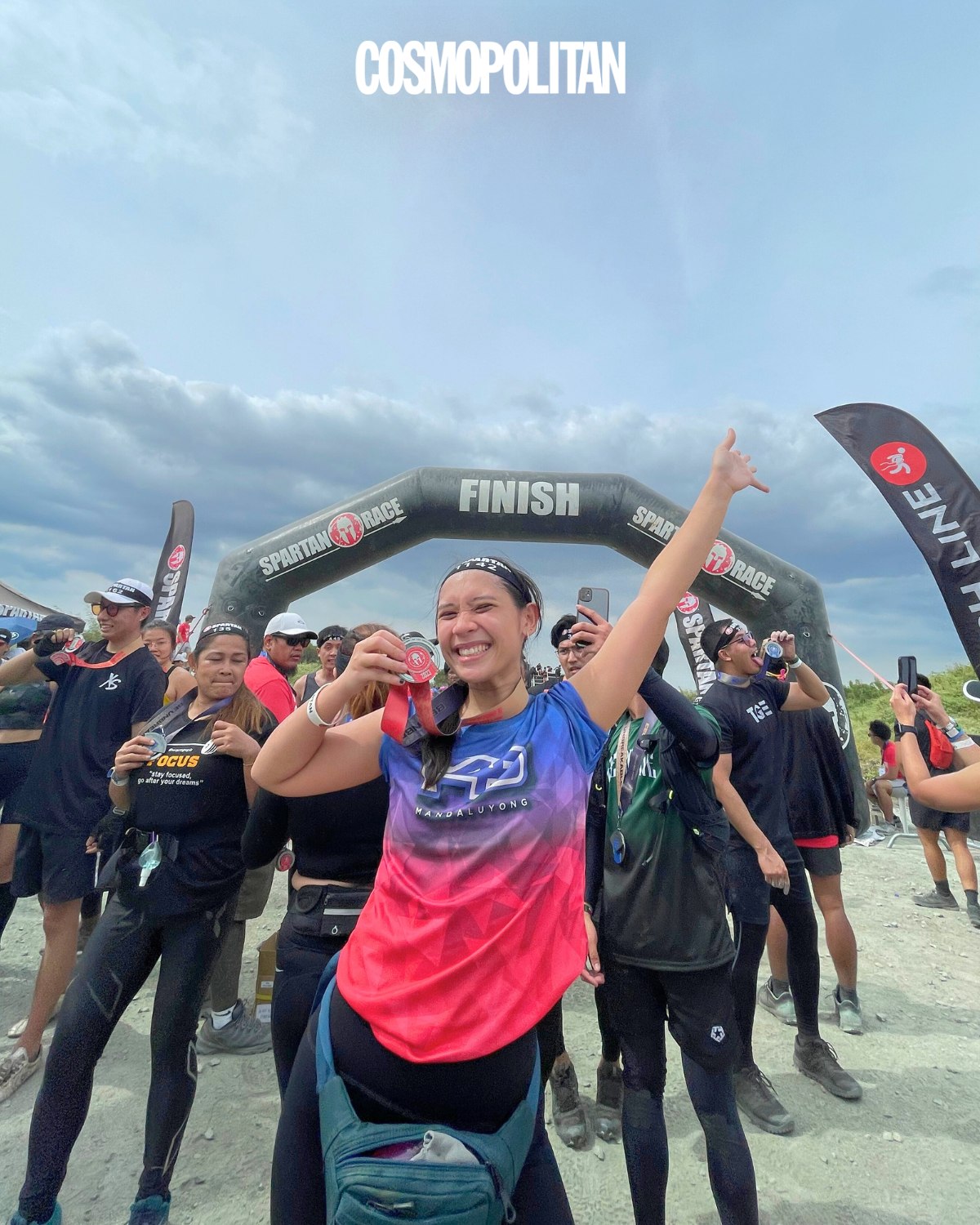
It was equal parts gratifying and humbling. I felt the joy of accomplishing things I'd worked hard to learn, but I was also surrounded by some of the most athletic adults I'd ever seen in my life. It felt surreal to be among them. In the end, I didn't do as well as I had hoped—I fell off the rope climb so many times I’m surprised I didn’t get injured. But I had fun, earned my medal, and finally proved to myself that I was worthy of it.
A few months after the Sprint, I signed up for, trained for, and finished the next level of the Spartan Race known as the Super. It was 10 kilometers long with 25 obstacles and took place in Miri, Malaysia. But I felt like a different person the second time around.
What I Learned From Joining The Spartan Race
In the beginning, no one believed me when I said I was joining a Spartan Race, but now, people ask me all the time if or when I’m joining the next one. As of writing, I have yet to join the third level of the race known as the Beast—a sprawling 21-kilometer course comprising 30 obstacles. I don't know if I ever will, but now I know that I could if I wanted to. Finishing those races meant a lot to me, but not as much as discovering that I was the kind of person who could.
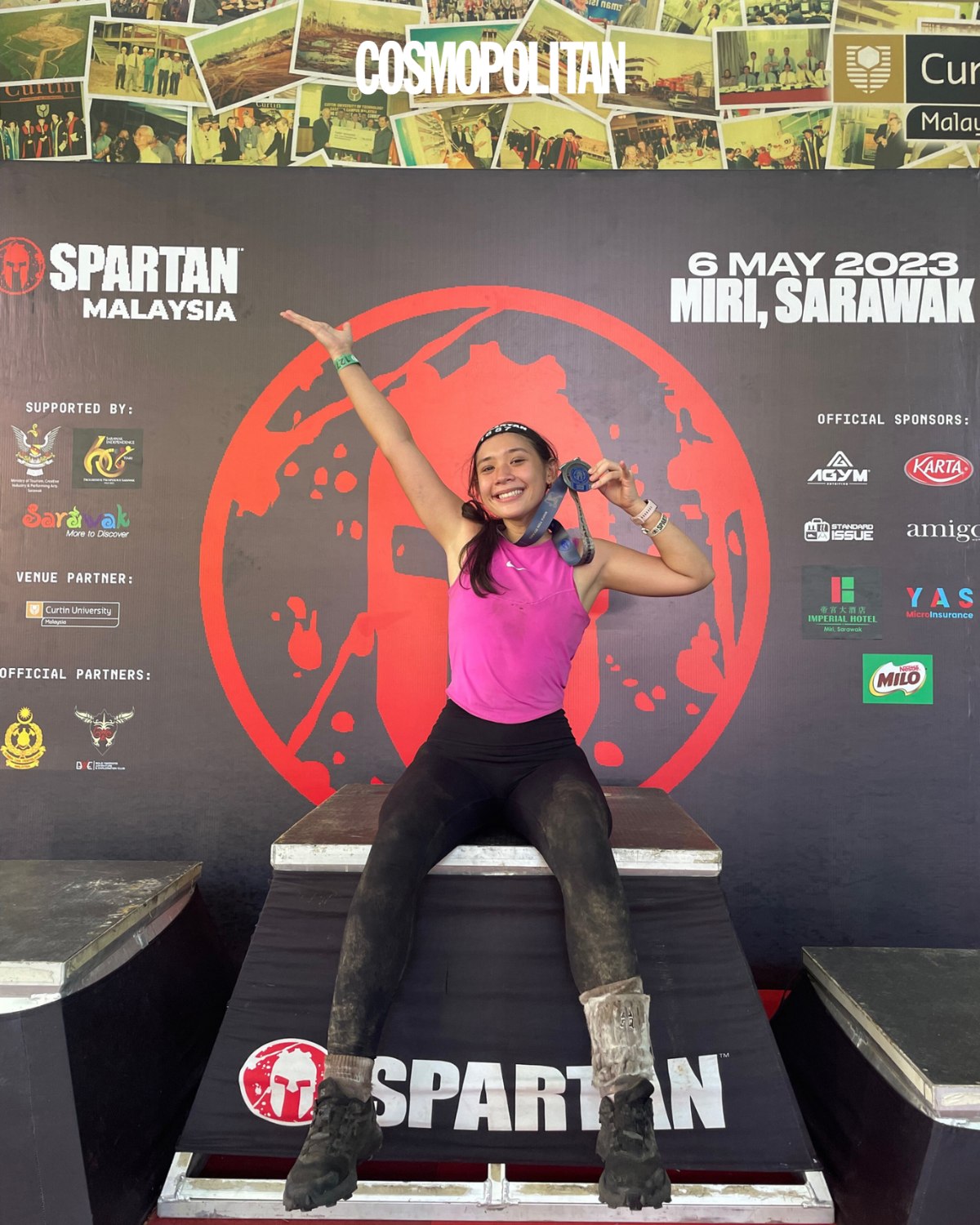
When I look back on my first Spartan Race, I think less of the work I put into completing the obstacles and the entire course and more of all the days that led me to the finish line. The casual strolls around my neighborhood. The decision to finally start going to the gym. All the times someone had cheered me on. And the moments when I finally believed in myself.
In a way, finishing the race was already a podium in itself.