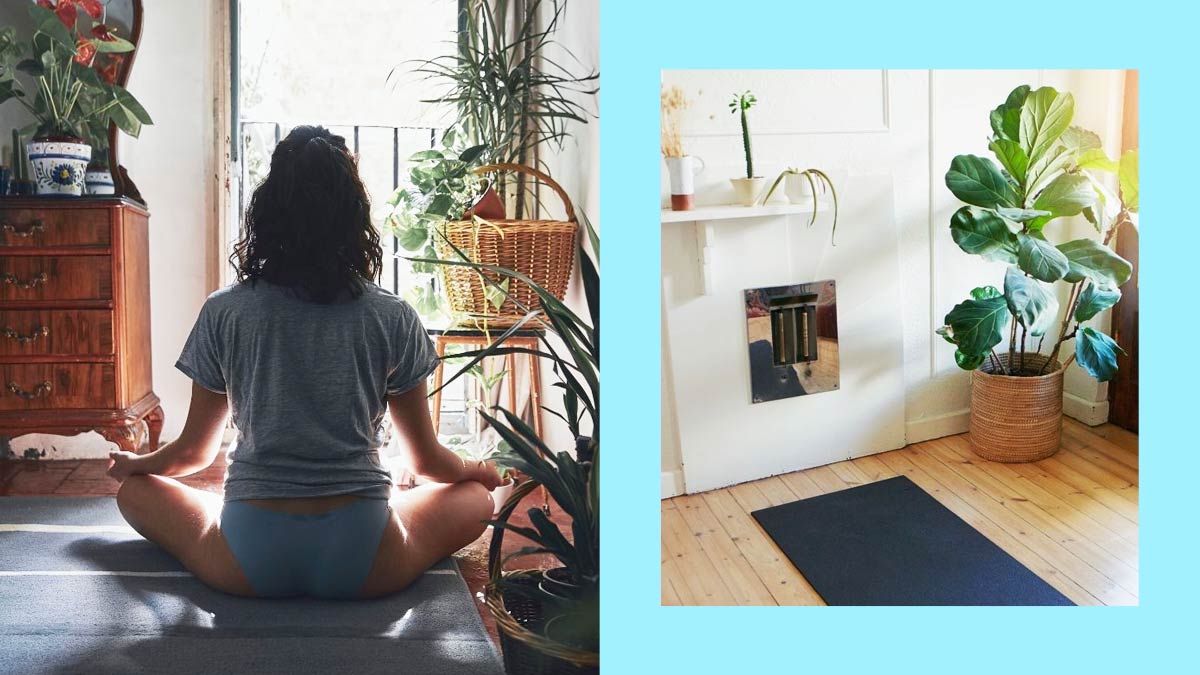
So, you've started meditation and want to up your game at home. Well, you've come to the right place. Here, we explore how to create a little sacred haven inside your own four walls, where you can meditate all year round.
Sounds like a dream to us, and we're not the only ones who think so. OG wellness queens Gisele Bündchen and Miranda Kerr have both practiced the art of meditation for over a decade, creating super zen nooks in their homes where they practice every morning.
But for those who don't quite know where to begin, take a deep breath in and out because we've got you covered.
With the help of some candles, plants, and a healing crystal (or two), you can create a tranquil space that radiates positive energy, where you can focus on your breathing, come back to your center, and clear your mind.
Whether you've been meditating for a while or are a new convert, we break down eight easy tips on how you can create a meditation space at home.
-
Find a space
Before you can transform a room into the little meditation nook that you've been dreaming of, you need to find the right space for you. Most people choose their bedroom as the space where they feel most comfortable but a quiet place inside your home, like a corner of your living room or an alcove, will work just as well. Some people even prefer to meditate outside, so if you're lucky enough to have a garden, you can turn it into your own zen space.
CONTINUE READING BELOW ↓watch nowIf you don't have a lot of square footage to work with in your room, you could try the corner of your hallway. Ultimately, it's about finding a space that you feel comfortable and relaxed, without distractions.
-
Remove clutter
 NICOLA KATIE/GETTY IMAGES
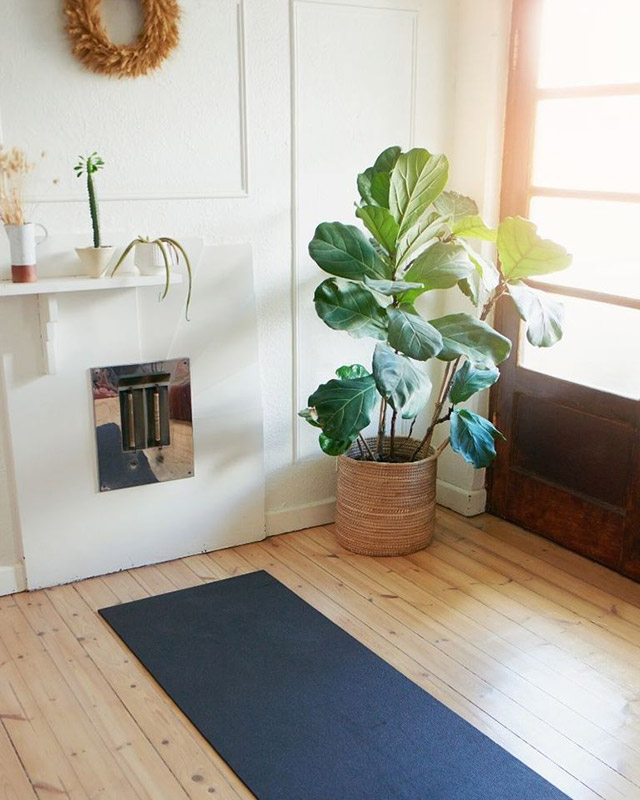
Too much clutter in your surroundings can clutter your mind, which is why it is so important to have a clear, clean space when you start your home practice. If you're having trouble deciding what to get rid of, hold onto pieces that you have an emotional connection with and remove those which don't contribute anything to the space.
ADVERTISMENT - CONTINUE READING BELOW ↓ -
Create a sense of privacy
If you don't have a set room where you can close the door, try putting up a screen of some kind so people know that you shouldn't be disturbed during this time. Remember to turn off your phone too—the last thing you want to disturb your meditation session is a pesky phone call.
-
Make it comfortable
 IMAGEKIT/GETTY IMAGESADVERTISMENT - CONTINUE READING BELOW ↓
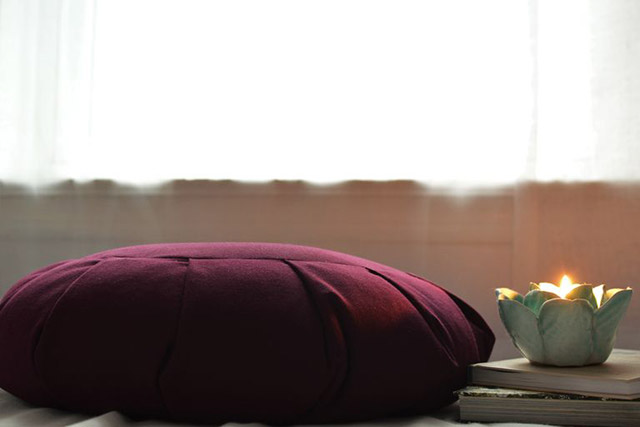
Is there anything worse than when you're trying to get in the zone during a mediation and the only thing you can think about is how uncomfortable your pillow is? The last thing you want to do is create a totally zen space and not be relaxed. Try round or square pillows, or add a cosy sheepskin rug a la Miranda Kerr—whatever you need to feel most at home. As they say, comfort is key.
-
Add a personal touch
A great way to relax in your meditation space is by having personal elements around you. This could be your favorite flowers, artwork, or some healing crystals.
Select pieces that will help inspire you to be present, focused and promote tranquility, but make sure not to overcrowd the space. You can always swap out items every so often depending on what you're connecting with during that time.
-
Incorporate nature
 VICENS PRATS/EYEEM/GETTY IMAGESADVERTISMENT - CONTINUE READING BELOW ↓
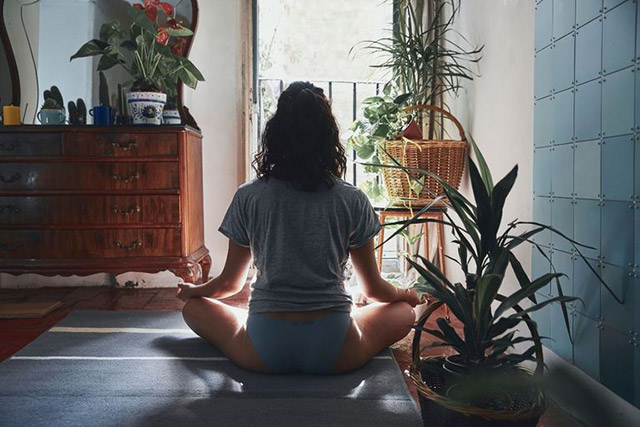
Is there anything more uplifting than the power of nature? It immediately creates a sense of calm and serenity. Try adding in some plants into your space (which are known in Feng Shui to bring about positive energy), a jar of sand to keep you grounded or, if you're outside, infuse a water element, such as a mini fountain, to promote a sense of protection and healing.
-
Lighting is key
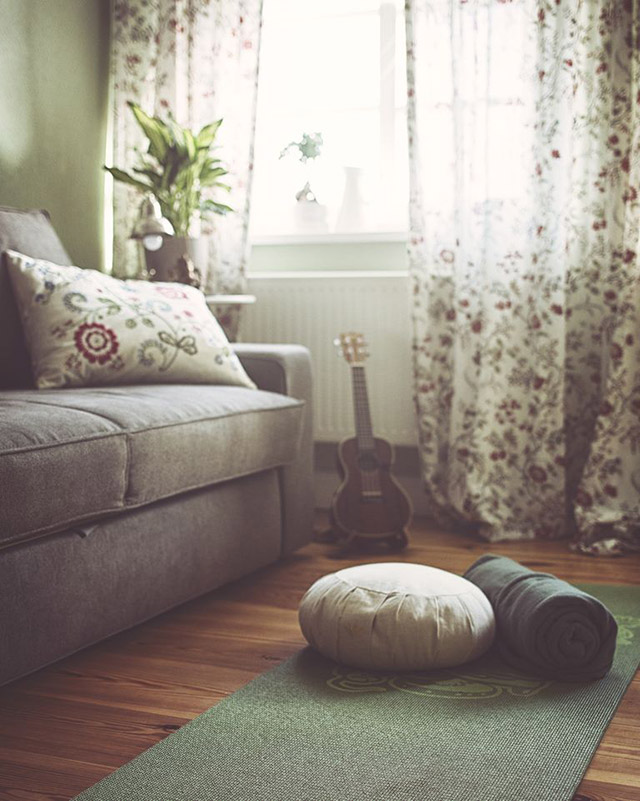 RIKE/GETTY IMAGESADVERTISMENT - CONTINUE READING BELOW ↓
Mediation is all about clearing the mind, sitting with your breath, and focusing on the present. Some classes turn off all of the lights to meditate, while others flood the room with natural light, so it's really a personal choice.
If you're a fan of the brighter set-up, natural lighting is key so try to find a space with lots of windows. If your space feels too light, try opting for sheer curtains to help soften the effect. If you're in a space without windows try to find a light with a dimmer so you can change the brightness depending on how you feel that day.
-
Create a sense of calm
Meditation is all about calming the mind and blocking out the noise. Remember, your point of power is in the present moment. When designing your space, surround yourself with tranquil touches like a beautiful scented diffuser, incense sticks, essential oils, and candles.
ADVERTISMENT - CONTINUE READING BELOW ↓For some, applying essential oils to the hands and ears helps put them in a state of calm. Others prefer creating a multi-sensory experience involving music, fragrance, and tactile touch, like holding a crystal in their hands.
Mediative music is also a great way to drown out the bustle of city life. Make sure to choose instrumental music with no lyrics, this can be anything from sounds of nature or the ocean to more traditional melodies, to keep you in a peaceful state of mind.
Now you're all set on how to create the perfect meditation space, it's time to take your practice to the next level. Happy meditating everyone.
Follow Nathalie on Instagram.
***
This article originally appeared on Cosmopolitan.com/uk. Minor edits have been made by the Cosmo.ph editors.