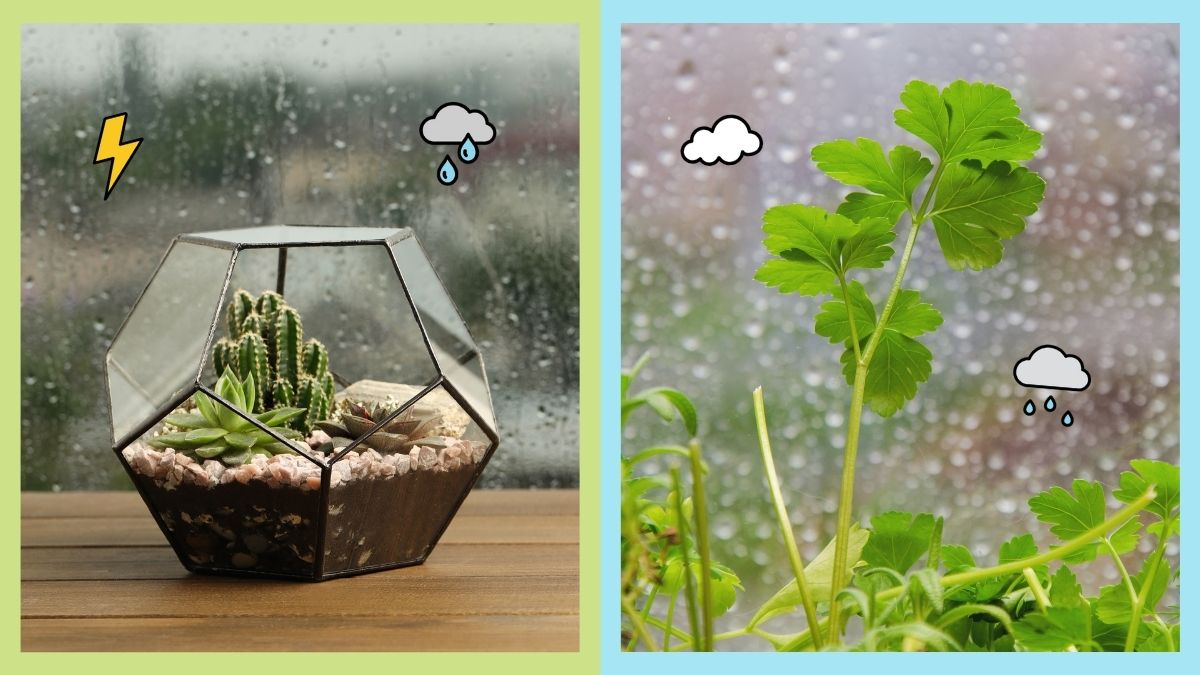
Year in and year out, we all brace for the monsoon season by checking our homes and giving it proper maintenance long before the first typhoon rains fall. For indoor and outdoor gardening enthusiasts, it's also important to consider a change in the way plants are cared for due to the increased amount of moisture in the air and in the soil. If you're a beginner plant parent, these tips may help you keep your greenery happy and healthy—without oversaturating their roots.
Caring for indoor plants
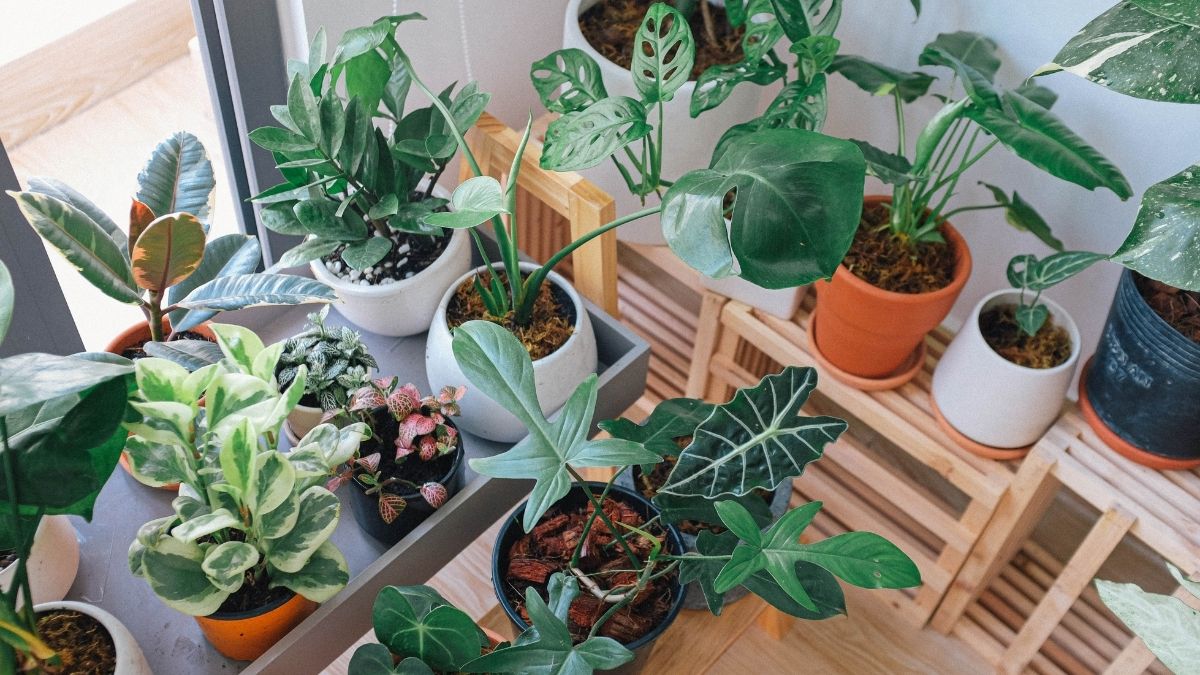
Indoor plants may lack for a few things outdoor plants have, like natural nutrients and sunlight. Make sure to compensate for these with the following tips:
- Make sure that your indoor plants still get enough sunlight. Place them near windows for them to be able to catch a bit of it when the clouds break. If the sun doesn't make an appearance for days, place your plants under a fluorescent bulb.
- Regularly check the soil, and only water them when it's dry to avoid root rot.
- Depending on their growth, check if they need fertilizer. It's better to put a little than to put too much.
- Watch out for pests, molds, and other issues that may present themselves when the weather is damp.
Caring for outdoor plants
Plants are basically in their element when they're outdoors, but that doesn't mean that you shouldn't have precautions in place for them, especially when it's been continuously raining.
- Tie seedlings and plants with narrow trunks to a support, such as a bamboo stake or an old branch stuck to the ground. Wind isn't the only one that can bend or break them; hard rainfall and heavy torrents can also cause damage, too.
- Check if the soil is loose—but not too loose. You'll want it to easily drain out rain water, but you still want it compact enough for your plants' roots to hold on, too.
- Use fertilizers as water tends to wash away nutrients from the soil.
- Transfer more vulnerable plants to an area where they can still get enough rain without soil oversaturation.
- Avoid watering them, especially during days and weeks of continuous rain.
STORIES PLANTITAS AND PLANTITOS WILL LOVE:
5 Types Of Indoor Plants That You Don't Need To Water Every Day