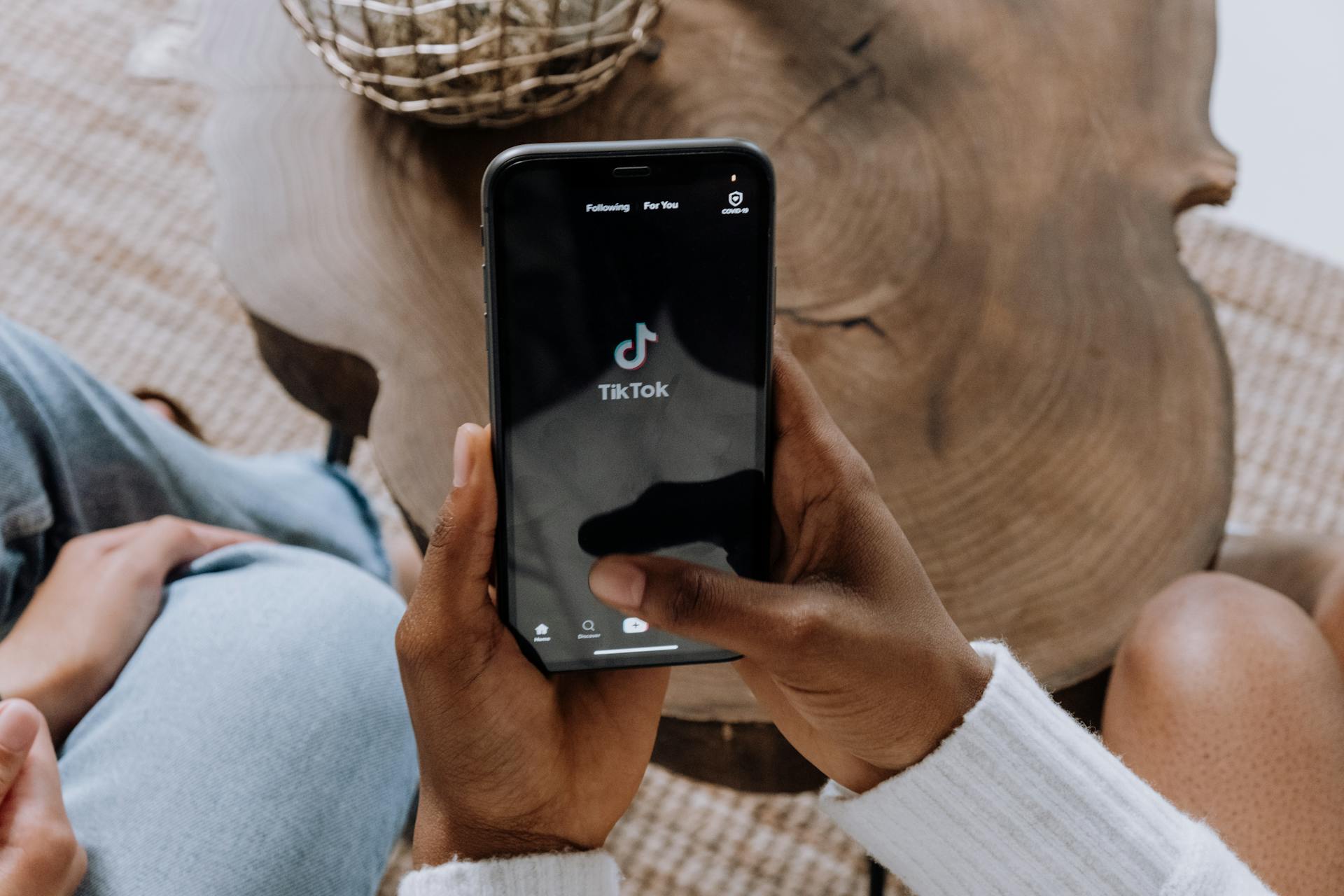
TikTok, one of our favorite apps for finding new trends to try, doing some late-night doomscrolling, and getting budol-ed with new beauty and lifestyle releases, might be facing an upcoming potential ban in the United States soon.
ICYDK, this isn't the first time a country has banned a social media app nationwide. For example, Iran has restricted access to Facebook, YouTube, and X, while Turkey and Saudi Arabia heavily censor social media platforms. Meanwhile, according to the Economic Times, China enforces the strictest social media controls, making Facebook, X, and Instagram completely inaccessible.
Now, the U.S. might join this list with its looming TikTok ban, which could potentially affect over 100 million active users nationwide.
Discussions in the U.S. among lawmakers, tech experts, and everyday users have raised concerns about how the app might pose risks to national security. Meanwhile, critics argue that banning TikTok could set a troubling precedent by limiting "free speech" in the country.
As the debate intensifies and the deadline—January 19, 2025—for a decision approaches, here's what you need to know about this ongoing controversy, what's at stake, and how it could impact you as a user.
TikTok's Looming Ban In The U.S.
The U.S. Congress passed legislation that would effectively force ByteDance (TikTok's Chinese parent company) to either sell TikTok's U.S. operations to an American company or face a complete ban which would prevent new downloads and updates in the U.S.
The law gave ByteDance approximately nine months—with January 19, 2025 as the deadline—to complete a sale. If not, TikTok would be banned.
The ban would work by:
- Requiring Apple and Google to remove TikTok from their app stores
- Preventing American companies from providing web hosting or other services to TikTok
- Making it illegal for ByteDance to operate TikTok in the U.S.
As of writing, TikTok has just six days before its fate is determined. However, incoming US President Donald Trump recently urged the Supreme Court to postpone the deadline for the potential ban of the app, which is set for a decision one day before his inauguration.
Although no further details were disclosed, reports indicated that Trump made the request with the intention of pursuing a "political resolution" once his administration takes office.
Why Is TikTok Being Banned In The U.S.?
The House of Representatives Minority Leader Hakeem Jeffries released a statement explaining that the legislation that the House has passed "does not ban TikTok."
Instead, Jeffries explains, "It is designed to address legitimate national security and privacy concerns related to the Chinese Communist Party's engagement with a frequently used social media platform."
He added, "If enacted, the bill would require divestiture by ByteDance and the sale of TikTok to an American company. Under that scenario, the platform will remain available to users, while significantly decreasing the likelihood that TikTok user data is exploited and privacy undermined by a hostile foreign adversary."
Jeffries says he’ll vote for the TikTok bill though: “The principled objections raised by several members of Congress to the bill are real and should not be dismissed.” pic.twitter.com/0lEIvJvzjc
— Nicholas Wu (@nicholaswu12) March 13, 2024
TikTok's ownership by ByteDance raises national security concerns that require companies to comply with the demands of the Chinese government for data access. According to a report from CBC News, this raises the possibility that the vast amounts of data collected from millions of American users—including profile details, location data, and device information—could be accessed by Chinese authorities if requested.
The concerns also extend beyond data privacy to include the potential for algorithmic manipulation of content shown to U.S. users, which could influence public opinion or spread misinformation.
Some have argued the significant economic fallout a ban would create, particularly for small businesses and content creators who have built their livelihoods on the platform. Others claimed that removing TikTok would infringe on free speech rights and set a concerning precedent for government control over social media.
How could TikTok's looming ban potentially affect Filipinos?
The ban is limited to the U.S. so it's unlikely to affect Filipinos directly (unless you geographically reside in the U.S.). However, if you find yourself strolling through the streets of the Big Apple for vacation or business, you may be unable to update the app to its latest version.
Nope, you don't need to worry about getting arrested for using TikTok while in the U.S. But you might have to prepare yourself to deal with inconveniences in using the app. Even for U.S. residents affected by the potential ban, the app will remain accessible, especially through virtual private networks (VPNs).
However, experts warn that glitches and video delays might occur due to outdated versions. "If the app were not able to download updates, it would eventually become obsolete," said Qi Liao, Professor at Central Michigan University, in an interview with ABC News.
Service interruptions, bugs, and potential security issues may also impact the app's performance. "Potentially, vulnerabilities will become known in the app, and hackers will take advantage of those vulnerabilities to compromise your account or your device," said Eva Galperin, Director of Cybersecurity at the Electronic Frontier Foundation, in an interview with CNN.
Additionally, if TikTok gets banned in the U.S., businesses and content creators relying on TikTok could face significant challenges. Filipinos might notice fewer viral trends and global content from their feeds—especially U.S.-led dance challenges and memes. It could also mean less visibility for Filipino creators who rely on American followers to boost their reach. Filipinos might turn to Instagram Reels or YouTube Shorts for their short-form video fix.