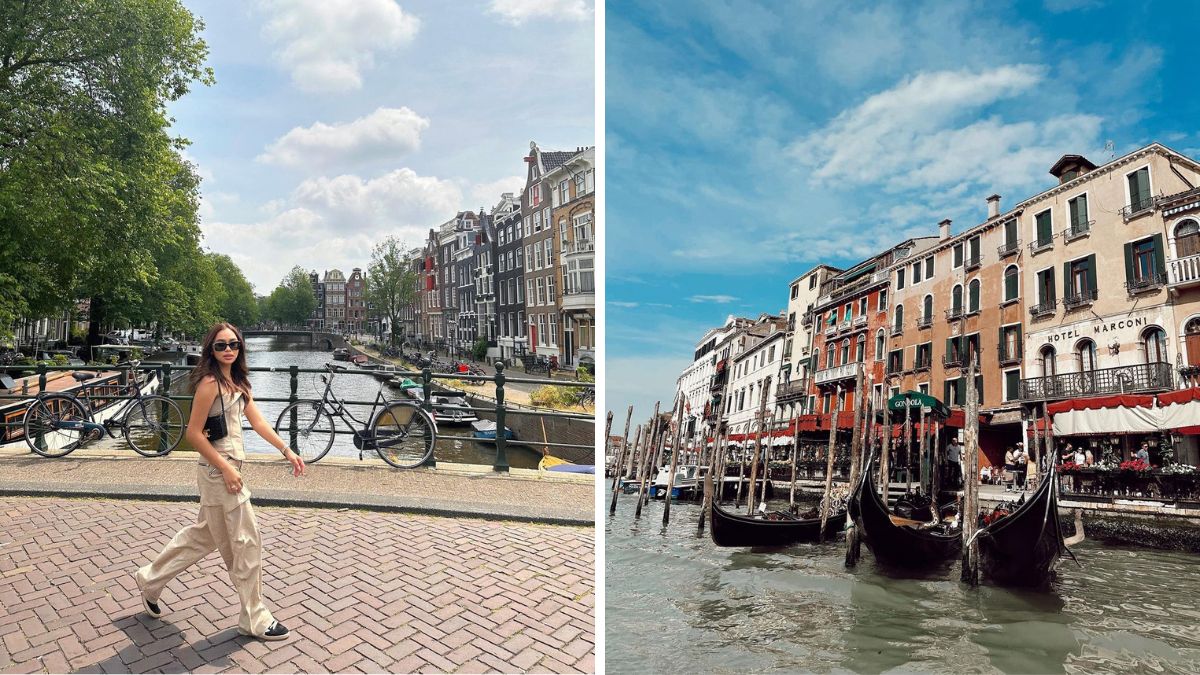
Traveling to Europe is a dream for many people, and exploring diverse cultures, historical landmarks, and breathtaking landscapes is an experience like no other. If you're planning to visit multiple countries within the Schengen Area, obtaining a Schengen visa is essential. This comprehensive guide will walk you through everything you need to know about how to apply for a Schengen Visa, including the types of visas, application requirements, and frequently asked questions.
Countries where you need a Schengen visa
The Schengen Area offers a unique travel experience with its passport-free movement across 27 countries. This means that once you enter the Schengen Area with a valid Schengen visa, you can easily explore multiple countries without border checks. On the other hand, non-Schengen countries, although part of the European Union, maintain their own immigration policies and require separate visas.
Schengen Area
- Austria
- Belgium
- Croatia (as of January 1, 2023)
- Czech Republic
- Denmark
- Estonia
- Finland
- France
- Germany
- Greece
- Hungary
- Iceland
- Italy
- Latvia
- Liechtenstein
- Lithuania
- Luxembourg
- Malta
- Netherlands
- Norway
- Poland
- Portugal
- Slovakia
- Slovenia
- Spain
- Sweden
- Switzerland
Non-Schengen Countries
The European Union member states Bulgaria, Cyprus, Ireland, and Romania are not Schengen countries.
The United Kingdom has never been a member of the Schengen Agreement, and due to Brexit, as of January 31st, 2020, the U.K. is also no longer a member of the EU — meaning you still need to apply for a separate U.K. visa to visit.
How to apply for a Schengen visa
Understanding the Schengen Area
The Schengen Area is a zone comprising 27 European countries that have abolished internal borders, allowing for passport-free travel between member states. It includes popular destinations such as France, Italy, Spain, Germany, and more. By obtaining a Schengen visa, you gain access to all these countries during a single trip.
Types of Schengen Visas
There are three main types of Schengen visas based on the purpose of your visit:
- Uniform Schengen Visa (USV). This visa allows you to travel within the Schengen Area for tourism, business, or family visits, with a maximum stay of 90 days within a 180-day period.
- Limited Territorial Validity Visa (LTV). This visa restricts your travel to specific Schengen countries as determined by the issuing authority.
- National Visas. If you plan to stay longer than 90 days or have specific purposes such as work or study, you'll need to apply for a national visa directly from the respective country's embassy or consulate.
Application Requirements
To apply for a Schengen visa, you'll generally need the following documents:
- Completed application form. Obtain the application form from the embassy or consulate of the country you intend to visit first.
- Valid passport. Ensure your passport is valid for at least three months beyond the intended departure date and has at least two blank pages.
- Passport-sized photographs. Provide recent photographs and make sure these meet the standards that the embassy or consulate sets.
- Travel itinerary. Present a detailed itinerary of your trip, including flight reservations, accommodation bookings, and planned activities.
- Proof of accommodation. Provide evidence of your accommodations throughout your stay in the Schengen Area.
- Travel insurance. Obtain travel insurance that covers medical expenses and repatriation with a minimum coverage of €30,000 ($35,000).
- Proof of financial means. Show proof of sufficient funds to cover your expenses during the trip, such as bank statements, credit card statements, or sponsorship letters.
- Proof of employment or income. Provide employment documents, such as an employment contract, pay slips, or business registration, to demonstrate your financial stability.
Schengen Visa Application Process
It is possible to apply for a Schengen visa in a country other than your home country. However, you need to meet certain conditions. You can apply at the embassy or consulate of the Schengen country where you plan to spend the most time or your main destination. If you plan to visit multiple countries for an equal amount of time, you should apply at the embassy or consulate of the country you will enter first.
You can apply for a Schengen visa up to three months before your planned trip. It is recommended to apply well in advance to allow sufficient time for visa processing and to accommodate any unforeseen delays. Applying at least two to three weeks before your intended departure date is generally advisable.
The application process for a Schengen visa typically involves the following steps:
- Determine the appropriate embassy or consulate. Identify the embassy or consulate responsible for processing visa applications for the country you plan to visit first.
- Schedule an appointment. Most embassies or consulates require applicants to schedule an appointment in advance.
- Prepare the required documents. Gather all the necessary documents according to the embassy or consulate's specifications.
- Attend the visa interview. Arrive on time for your appointment and be prepared to answer questions about your trip.
- Pay the visa fee. Pay the applicable visa fee, which varies depending on your nationality and the type of visa you're applying for.
- Wait for the decision. The processing time for Schengen visas can vary, so be prepared to wait for a certain period before receiving a decision.
If your Schengen visa application is denied, it can be disheartening, but there are steps you can take. First, carefully review the reasons provided for the rejection. If you believe there was a misunderstanding or mistake, you can consider appealing the decision or reapplying with additional supporting documents. Alternatively, you may choose to alter your travel plans or consult with an immigration lawyer or visa specialist for guidance on the best course of action based on your specific circumstances.
Additional Notes
In most cases, it is not possible to extend a Schengen visa once you are within the Schengen Area. Schengen visas are typically granted for a maximum stay of 90 days within a 180-day period. If you need more time, you may have to exit the Schengen Area and reapply for a new visa after a certain period of time has elapsed.
Obtaining a Schengen visa opens the door to exploring the enchanting countries within the Schengen Area. By understanding the different types of visas, application requirements, and the overall process, you can navigate through the application process with confidence. Remember to plan your trip in advance, provide all necessary documents, and adhere to the guidelines provided by the embassy or consulate of the country you plan to visit first. Now, embark on your European adventure and create unforgettable memories.