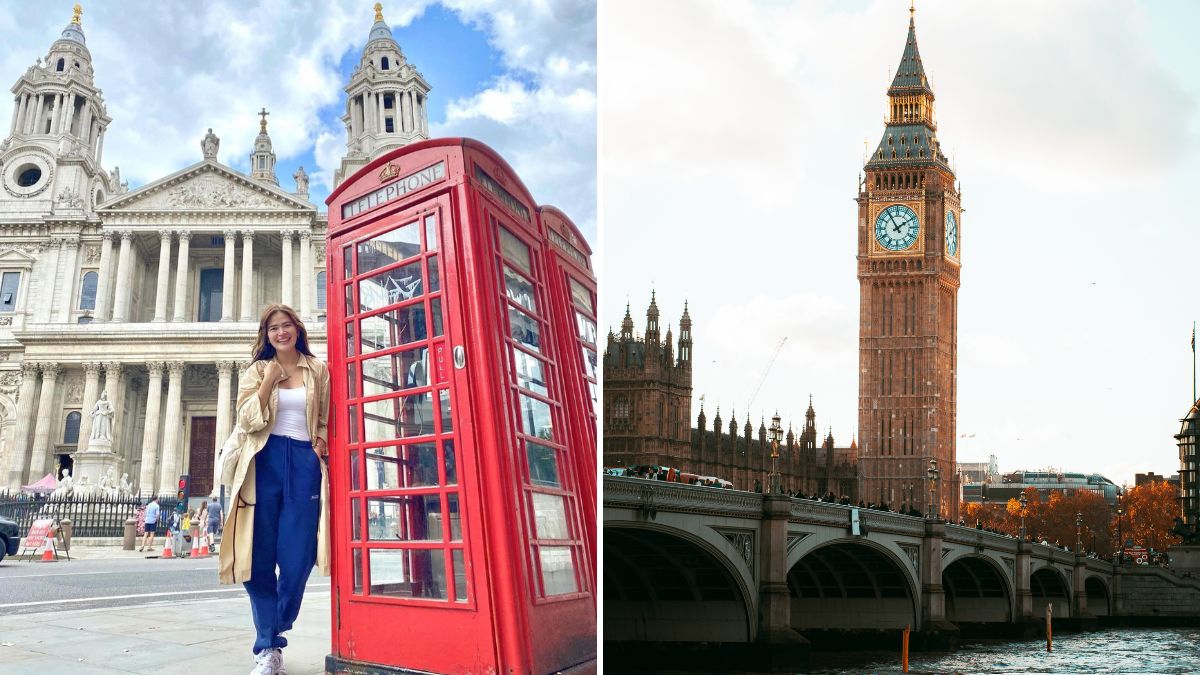
Traveling to the United Kingdom is a dream for many, whether it's exploring the historical landmarks of London, witnessing the stunning landscapes of Scotland, or immersing oneself in the vibrant culture of cities like Manchester and Liverpool. But before you can embark on your British adventure, it is crucial to understand the process of obtaining a UK visa. In this comprehensive guide, we provide you with all the information you need to know about how to apply for a UK visa, including the different types of visas, their requirements, and frequently asked questions.
How to apply for a UK visa
Types of UK Visas
There are different types and even subtypes of UK visas. So if you're choosing a visa, you need to determine the specific purpose of your visit to the UK as well to ensure you get the right one.
- Visitor Visa
- Standard Visitor Visa: For tourism, visiting family or friends, or business purposes.
- Marriage Visitor Visa: For individuals planning to get married or enter into a civil partnership in the UK.
- Permitted Paid Engagement Visa: For artists, academics, or entertainers invited to undertake short-term engagements in the UK.
ADVERTISMENT - CONTINUE READING BELOW ↓ - Work Visas
- Tier 2 (General) Visa: For skilled workers with a job offer from a UK employer.
- Tier 5 (Temporary Worker) Visa: For individuals participating in specific temporary work schemes.
- Study Visas
- Tier 4 (General) Student Visa: For students aged 16 or above who have been offered a place in a UK educational institution.
- Short-Term Study Visa: For short-term study programs or English language courses.
- Family Visas
- Spouse, Partner, or Fiancé Visa: For individuals married to or in a committed relationship with a UK resident.
- Parent of a Child at School Visa: For parents of a child studying in the UK.
General Visa Requirements
- Valid passport. Ensure your passport has a validity of at least six months beyond your planned period of stay in the UK.
- Visa application form. Fill out the online application form as accurately as possible.
- Photographs. Provide recent passport-sized photographs that meet the UK Visa and Immigration requirements.
- Proof of finances. Show evidence of sufficient funds to cover your expenses during your stay in the UK.
- Travel itinerary. Present a detailed travel plan, including flight bookings and accommodation arrangements.
- Tuberculosis test. In the testing center, make sure you make it clear that you're getting a TB test for your UK visa application.
Additional Requirements for Specific Visa Types
- Work Visas
- Certificate of Sponsorship. Your UK employer must provide you with a certificate of sponsorship.
- English Language Proficiency. Some work visas require proof of English language skills.
- Study Visas
- Confirmation of Acceptance for Studies (CAS). Obtain a CAS from your UK educational institution.
- English Language Proficiency. You have to undergo a series of tests to determine your English speaking, reading, writing, and listening skills.
- Family Visas
- Relationship Documentation. Provide evidence of your relationship with the UK resident.
- Financial Requirement. Demonstrate that you can financially support yourself and any dependents.
Visa Application Process
- Complete the visa application form on the official UK Visa and Immigration website.
- Schedule an appointment at a Visa Application Centre to submit your biometric data, such as photographs and fingerprints.
- Prepare and submit all the required supporting documents along with your application.
- Pay the application fee, which varies depending on the type of visa and duration of stay.
The processing time for a UK visa can vary, so it's advisable to apply well in advance of your intended travel dates. If your visa application is refused, you may try to appeal the decision, depending on the visa category. Alternatively, you might consider reapplying, addressing any issues or concerns raised in the refusal letter. It is crucial to carefully review the refusal letter, understand the reasons for the refusal, and seek legal advice or assistance from immigration experts to determine the best course of action for your specific situation.
Additional Notes
The duration of stay on a visitor visa can vary, but typically it allows for a stay of up to six months. However, it is important to note that the immigration officer at the port of entry will ultimately determine the length of your permitted stay based on the purpose of your visit and your individual circumstances.
A visitor visa does not permit you to work or engage in any form of employment in the UK. The primary purpose of a visitor visa is for tourism, visiting family or friends, or engaging in certain business activities allowed under the visa category. If you intend to work in the UK, you would need to apply for a specific work visa that matches your skills and job offer.
In some cases, it is possible to switch to a different visa category while you are in the UK but it's still subject to some conditions and restrictions. It is essential to consult the official UK Visa and Immigration guidelines and seek professional advice to determine if you are eligible to switch visas and the necessary steps to follow.
It may be possible to extend your stay in the UK, but it depends on the type of visa you hold and your specific circumstances. Visitor visas, for example, can sometimes be extended, but it is important to apply for the extension before your current visa expires. Other visa categories may have different rules regarding extensions. It is advisable to consult the official guidelines and seek professional advice to understand the extension options available to you.
Remember to check the official UK Visa and Immigration website for the most up-to-date information and consult with the appropriate authorities or immigration lawyers.