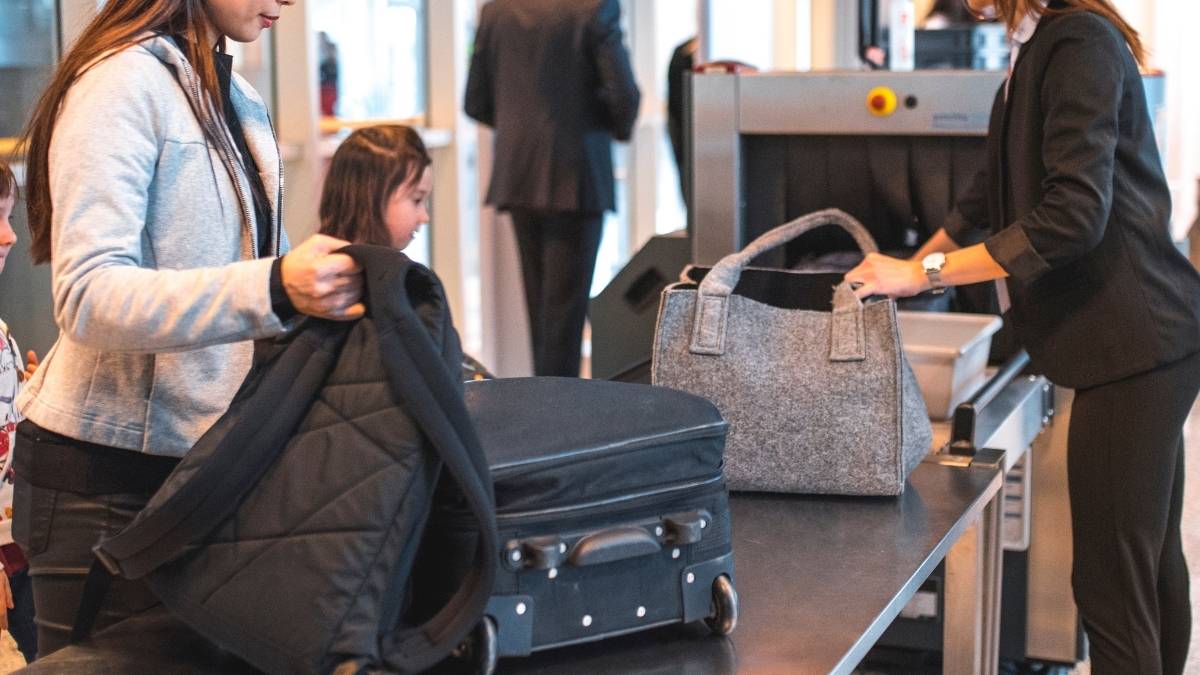
In 2015, the laglag-bala or bullet-planting scandal forced Filipino travelers to become *extra* cautious at airports. And it seems that travelers need to tap into that same Filipino adaptability to deal with another airport issue these days—luggage losses at NAIA Terminal 3. Recent reports highlight missing baggage incidents, leaving passengers frustrated.
Ramon Ang, Chairman of the San Miguel Corporation (which now handles the New NAIA Infra Corp.), confirmed in a report that the current issues at NAIA T3 will persist until new systems are fully operational, which is expected to be completed by July 2025. He explained that the modernization process requires time to overhaul outdated infrastructure and implement updated technologies.
Cebu Pacific, meanwhile, has also updated their passengers, saying that they've already resolved the issue on their end, and that 90% of bags have been recovered. "Cebu Pacific is pleased to announce that normal baggage handling operations at Ninoy Aquino International Airport (NAIA) Terminal 3 have been restored. We want to assure all passengers that checked baggage for new travel is now being processed as usual," they said in a statement.
While we can't exactly tell you to hold off your travel plans until all issues are completely resolved, there are ways to make this issue at NAIA Terminal 3 a bit easier to manage. While taking precautions won't fully guarantee your luggage's safety, it will help reduce the hassle if things go wrong.
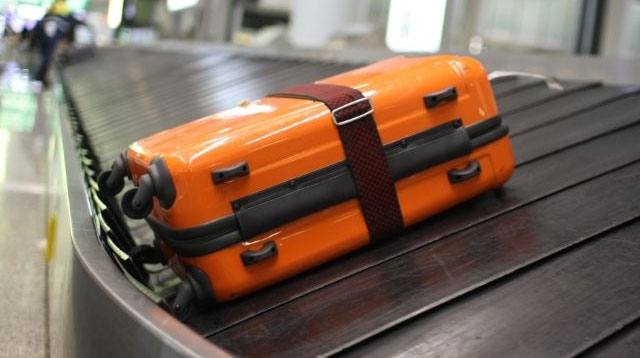
How To Avoid Losing Your Luggage In NAIA
1. Invest in travel insurance.
Though it may seem costly, investing in comprehensive travel insurance is one of the most practical steps you can take to safeguard yourself and your belongings while traveling, especially in regard to this issue. While insurance can't guarantee that you won't lose your luggage, it can serve as a valuable safety net, offering financial protection in case of mishaps.
When selecting travel insurance, ensure that it covers delays caused by operational issues, including those related to the ongoing manual handling processes at airports. It's wise to inquire specifically about coverage for events that are pre-existing or ongoing. Understanding these details can help you make informed decisions about your travel plans.
Additionally, don't hesitate to reach out to your airline for clarification on their compensation policies related to baggage issues. Many airlines have specific procedures in place for situations like this, and knowing your rights can save you time and frustration in the event of any complications.
2. Buy a tracking device for your luggage.
Another smart investment to consider is an AirTag or a similar tracking device that you can attach to your luggage. These small devices allow you to track your bags in real time, giving you peace of mind throughout your journey. If your bag gets lost, you can easily check its last known location and even be alerted if it comes into range.
3. Prepare two to three days' worth of clothes in your carry-on.
Unfortunately, no one can predict who might be the next victim of lost luggage, which is why it's essential to prepare for the worst-case scenario. One effective strategy is to maximize the use of your carry-on bag. Given that checked luggage is more prone to being misplaced, consider packing at least two to three days' worth of clothes and essentials in your carry-on. This way, you'll have a backup wardrobe and necessary items close at hand, ensuring that you can still manage comfortably even if your checked bag goes missing.
Additionally, include toiletries, medications, and any valuable items in your carry-on. This proactive approach will help you navigate unexpected situations with greater ease, allowing you to focus on your travels without the added stress of being unprepared.

4. Research the affected airlines and make necessary adjustments.
Given the ongoing issues at T3, it would be wise to take proactive measures when planning your travel. Research the specific airlines operating within T3 and stay informed about the current situation. If you find that certain airlines are consistently experiencing problems, consider looking for flights from other terminals or airlines altogether.
According to Hello Manila Airport in May 2024, these are the following airlines that arrive and depart from NAIA T3:
- AERO-K Airlines (RK)
- Air Asia (Z2) / (AK)
- All Nippon Airways (NH)
- Cathay Pacific (CX)
- Cebu Pacific (5J)
- China Southern Airlines (CZ)
- Emirates (EK)
- Ethiopian Airlines (ET)
- Etihad Airways (EY)
- Gulf Air (GF)
- Hong Kong Express Airways (UO)
- Jeju Air (7C)
- Jetstar Asia Airways (3K)
- Jetstar Japan (GK)
- KLM Royal Dutch Airlines (KL)
- Qantas (QF)
- Qatar Airways (QR)
- Scoot (TR)
- Singapore Airlines (SQ)
- Thai Airways (TG)
- Turkish Airlines (TK)
- United Airlines (UA)