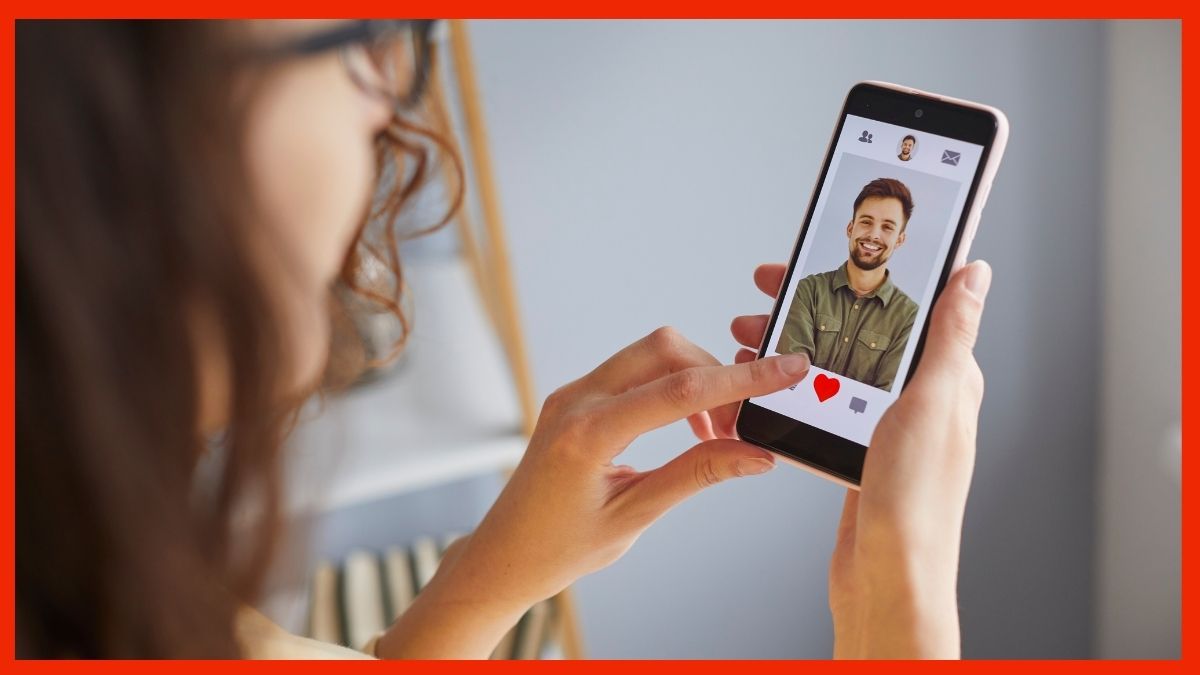
Finding love online? You might want to guard your heart—and your wallet—a bit more carefully, especially if you're in the Philippines.
A new report from TransUnion reveals that nearly one in five online interactions (18%) in Philippine dating sites and community forums were suspected to be fraudulent during the first half of 2024. That's significantly higher than the global average of 11.5%, painting a concerning picture for Filipino users searching for connections online—because there's a big chance it might be fake.
Fraud attempts in community industries, dating sites included, have gotten worse over the course of 2024, with fraud attempts in these platforms jumping by 35% compared to the same period in 2023. But what's really raising eyebrows is when these scams typically happen:
- 31% of all suspicious activities occur during financial transactions
- 22% happen right when people are creating their accounts
- The highest fraud rates show up when users try to log into their accounts
"Digital scams are constantly evolving. The growth of communities also creates more avenues for scammers to potentially defraud consumers," Yogesh Daware, chief commercial officer at TransUnion Philippines, declared.
"With rising community fraud rates in the Philippines aligning with global findings, there is a need to focus efforts on educating consumers about these types of attacks and disseminating preventive measures that consumers and businesses can take to protect themselves from falling victim," he added.
But it's not just the dating sites that we should be wary of because according to the report, the problem isn't limited to matters of the heart. The Philippines is seeing higher fraud rates across various online platforms, with a 13% overall digital fraud rate—more than double the global average of 5.2%. This makes the Philippines one of the most targeted countries among the 19 regions studied in the report.
Recent findings show that 70% of Filipinos reported being targeted by various online scams in the past three months, with 10% falling victim to the cons. Here's a breakdown of the most common scams and how frequently they occur:
- Phishing remains the most common at 51%
- Smishing (SMS phishing) follows at 44%
- Money and gift card scams at 36%
- Fake sellers on legitimate shopping sites at 31%
Anti-Scam Reminders For When You Try Online Dating Sites
It's crucial to remember that while the internet can be a great place to meet people, it's also important to stay vigilant. Here are some red flags to watch for:
- Be wary of rapid requests for financial transactions
- Double check new accounts and profiles
- Be cautious during the login process, as this is when many fraud attempts occur
- Use secure platforms with strong fraud prevention measures
The message is clear: while looking for love online, make sure your guard isn't down. As digital platforms continue to evolve, so do the techniques of those looking to take advantage of people seeking genuine connections.
"Protecting customers and businesses from fraud is essential to enabling safe and tailored consumer experiences. The latest findings from TransUnion reveal that despite the good-faith efforts by global and local organizations to identify and prevent fraud, fraudsters continue to evolve and it's vital that fraud prevention methods keep up with the changing times," Daware concluded.