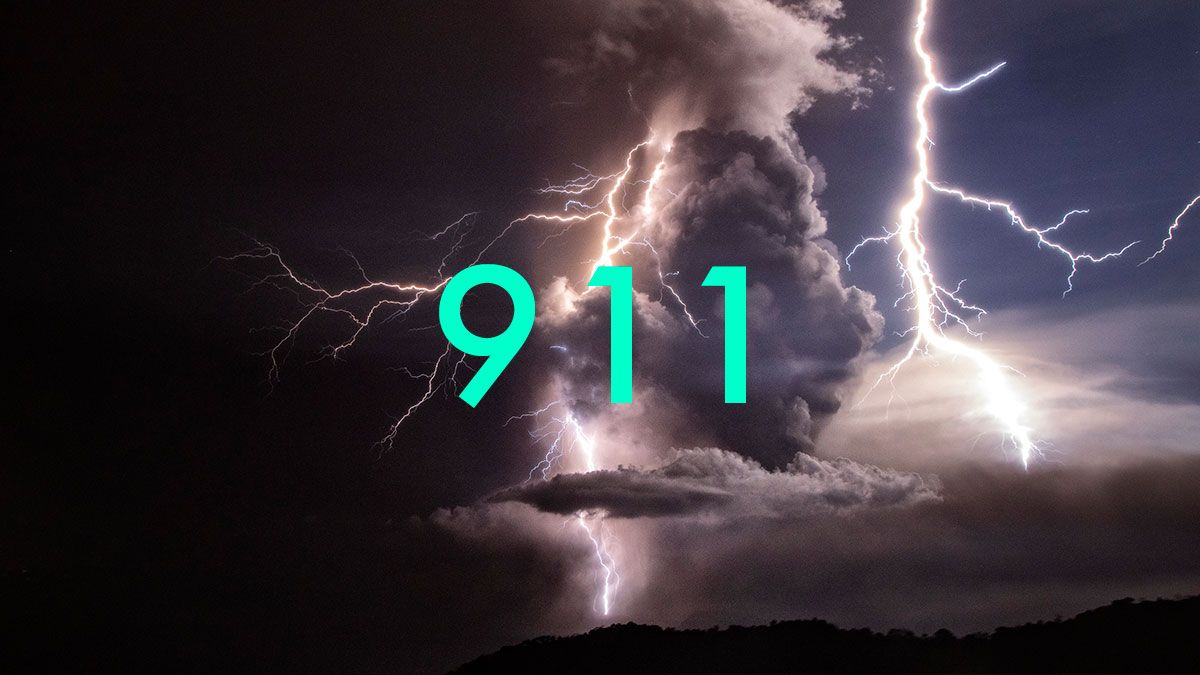
Updated Thursday, June 8, 2023: The Philippine Institute of Volcanology and Seismology (Phivolcs) raised the alert level over Mayon Volcano on Thursday, June 8 as it warned of a potentially hazardous eruption "within weeks or even days."
By raising the alert to Alert Level 3, this means there's an increase tendency of a hazardous eruption, from Alert Level 2. Level 3 is the third highest alert level in Mayon Volcano, which means magma is close to the crater and if the trend continues, eruption is possible.
Write down this list of emergency numbers on paper in case your phone runs out of battery, and you lack access to electricity or power banks. Please stay safe.
***
The Philippine Institute of Volcanology and Seismology (PHIVOLCS) has stated that there’s still a possibility of volcanic tsunamis occurring; these are often triggered by debris falling after an eruption, pushing the water towards the shoreline and creating waves.
PHIVOLCS Director Undersecretary Renato Solidum told CNN Philippines, “These kinds of hazards have happened during major eruption events, such as in the 60s and 1911 eruptions. It's not that high compared to typical earthquake tsunami in open seas but this can damage and impact people if they are on the shore.”
In case of an emergency, here is a list of hotlines you can call:
- National Emergency Hotline – 911
- Philippine National Police – 117
- PHIVOLCS – (02) 8426-1468 to 79
- Philippine Red Cross – 143 or (02) 8790-2300
- Bureau of Fire Protection (BFP) – (02) 8426-0219, (02) 8426-0246
- National Disaster Risk Reduction And Management Council – (02) 8911-5061 to 65 local 100
As much as possible, you are advised to stay indoors. If, however, you really need to go out, visit your local drugstore to see if they have N95 masks available. Unlike regular surgical masks, N95 masks are built to filter at least 95 percent of airborne particles. Pair this with some sunglasses to protect your eyes from possible irritation.