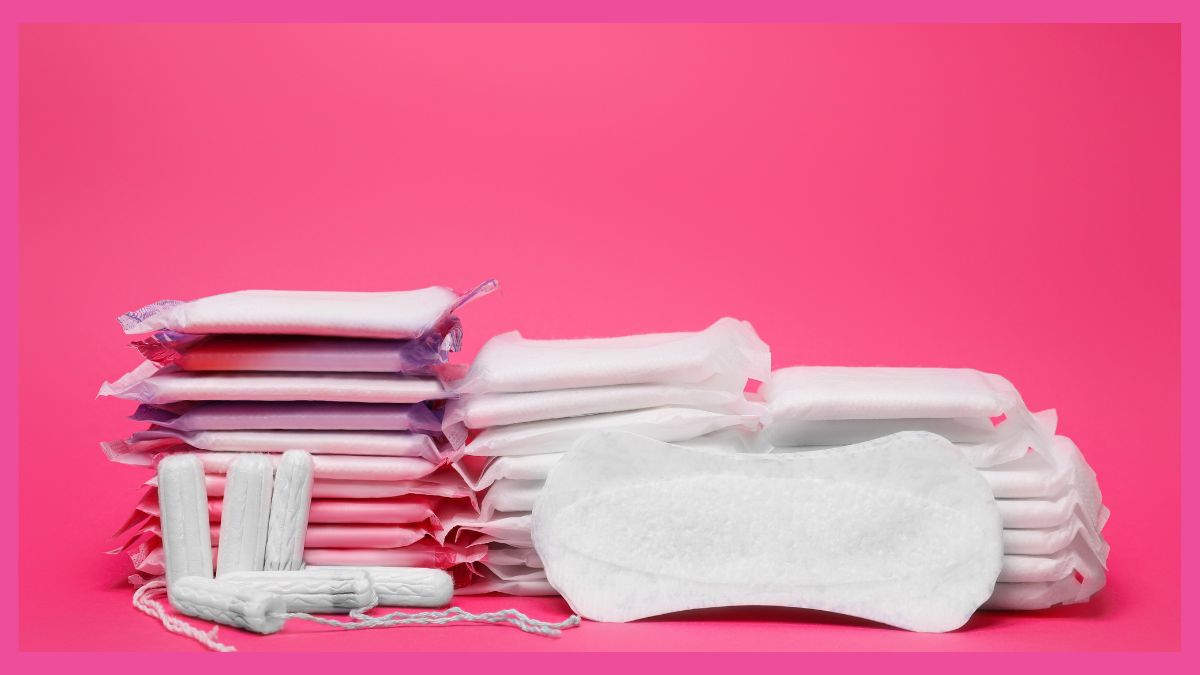
A female lawmaker has sought to make menstrual products tax-free, in a bid to lessen the financial burden of women across the country.
AKO ILOCANO AKO Party List Rep. Richelle Singson, in a privilege speech at the House of Representatives, emphasized that taxes imposed on menstrual products are discriminatory against women.
"I propose legislation that exempts menstrual products from unnecessary taxation. Pads and tampons are essential necessities for women's health and well-being, yet they are inexplicably subject to value-added tax (VAT)," Rep. Richelle highlighted.
"Taxing menstrual products is akin to imposing a financial burden on women for a natural biological process—a discriminatory practice that exploits our innate and constant health needs," the lawmaker explained.
Gender-Based Pricing "Pink Tax" Disempowers Women, Perpetuates Gender Inequality
The Labor Force Survey has reported that as of 2023, more than 21.143 million Filipino women are considered "economically insecure," indicating that 996,000 women are unemployed, 1.899 million underemployed and 18.248 unpaid.
And yet, despite this economic insecurity, the World Economic Forum notes that consumer products targeted and advertised to women are, on average, 13% more expensive than comparable products marketed to men. This phenomenon, known as the "pink tax," imposes a financial burden on women, exacerbating their economic challenges.
"In a country where poverty is pervasive, women should not have a difficult time in choosing between purchasing menstrual products and meeting other basic needs such as food," Singson stressed.
"By exempting menstrual products from taxation, we can guarantee accessibility for all women, regardless of their socioeconomic status because affordable menstrual hygiene products are a matter of dignity, health, and equality," Rep. Richelle proposed.
READ: These Filipina Beauty Queens Are ~*Normalizing*~ Menstrual Conversations And So Should You
The lawmaker also addressed the importance of taking into account the "productivity associated with different phases of the menstrual cycle." She said that companies should include "flexible work hours, remote work options, and as proposed before, paid menstrual leave especially to those that may experience heightened physical and emotional burdens of menstruation in the workplace."
Such measures not only address the immediate need for affordable menstrual products but also contribute to long-term economic empowerment. Ensuring that women have access to necessary health products without financial strain can lead to broader social and economic benefits, promoting gender equality and supporting the well-being of women across the Philippines.