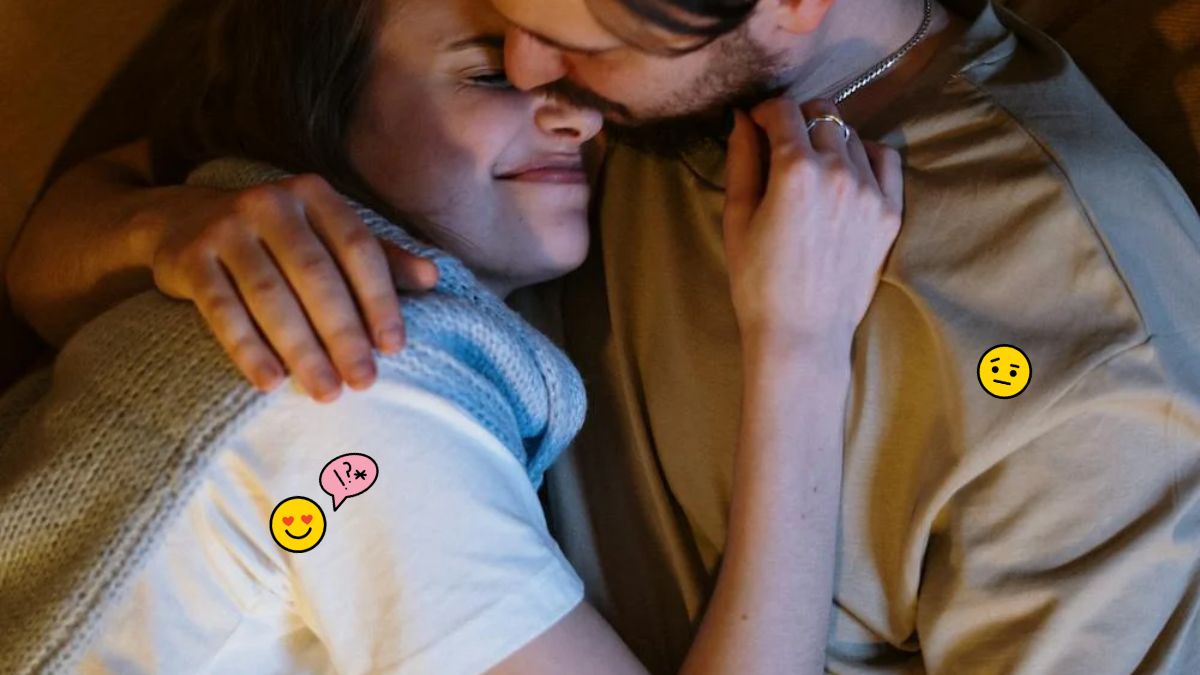
We've all seen the "OA vs. Nonchalant" trend on social media. In case you need a refresher, it's a meme that pokes fun at how—in every relationship or close friendship—one person is typically more expressive and extroverted, while the other tends to be more reserved and stoic. Sounds like a lot of people we know, right?
But here's the thing: While the meme was created for laughs, it has also sparked a deep dive among members of Pinoy Reddit, questioning whether "OA vs. Nonchalant" relationships indeed work out in real life. Do polar opposites genuinely make for a harmonious couple? Can two different personalities navigate and overcome the challenges that come with every relationship?
As with most discussions on Reddit, the opinions continue to be sharply divided. On one side, those who identify as "OA" often express feeling taken for granted in the relationship. Conversely, those who identify as "nonchalant" argue that being cavalier is frequently misunderstood as being insensitive to their partner's feelings.
ALSO READ: What Is A Backburner And How Do You Know If You Are One?
OA vs. Nonchalant Couple Experiences
One anonymous Redditor mentioned that even though she found the meme hilarious, the reality is that things are much harder for couples with a conflicting approach to relationship woes. "Natatawa ako sa mga post na memes or TikTok content about OA at nonchalant couples," she pointed out. "As someone na nasa ganyang sitwasyon, hindi ko maiwasang maging malungkot. Ang hirap pala pag 'di kayo match ng vibes, love language, at paniniwala sa buhay."
She added: "Ako yung OA, clingy, laging nag-i-initiate ng kwento, nakikipag-communicate kapag may problema, nagsasabi ng nararamdaman ko every time na may bumabagabag sa isip ko. Siya naman yung tahimik, parang walang pakialam, hindi nagbibigay ng assurance, insensitive sa nararamdaman ko."
Another Redditor who identifies as "OA" shared that people like her tend to thrive when they feel like they have a steady shoulder to cry on. "Nonchalant [people] can't date an overthinker. It may seem nothing to them pero big deal pala and vice versa," she wrote. "Overthinker ako, every time I tried to voice out my concern to my ex, he [would shrug] it off. Like, okay naman daw kami at huwag na mag-overthink, when all I wanted was to feel seen and heard. I eventually got tired and ended things [with him]."
Meanwhile, in a Reddit post under the r/student subreddit, a user asked, "What is nonchalant ba talaga?." A commenter clarified that being nonchalant doesn't always equate to being insensitive to your partner's feelings. "Not necessarily manhid ang may nonchalant personality," they explained. "Hindi sila '[yong] nababahala sa mga sitwasyon o worse, nag-pa-panic. Kalmado sila at neutral lang ang emotions."
"It's good if you can use this to be calm and collected on things that normally stress out another person," a fellow user replied. "It's bad kung hindi ka na na-ba-bother sa things na dapat necessity or priority, like wala ka [nang] pakialam."
This response from a female user, however, should help shift the narrative on "OA vs. Nonchalant" relationships. "Walang unnecessary drama. Walang out of place na selos or tampo. Walang senseless mind games," she stated.
"I'm an emotional being so when I tend to get overwhelmed, [my boyfriend's] always there to help me sort through emotions and help me deal with the problem at hand. [That's] exactly what I want and need in a partner. Most people can never tell what he is thinking and feeling but I can because he gave me the privilege to know him better than anyone else," she continues. It's not about letting one win over the other—rather, it's about finding a balance where both sides complement each other.
ALSO READ: Have You Ever Gotten Jealous Over Your Partner's Ex? It's More Than Just Selos
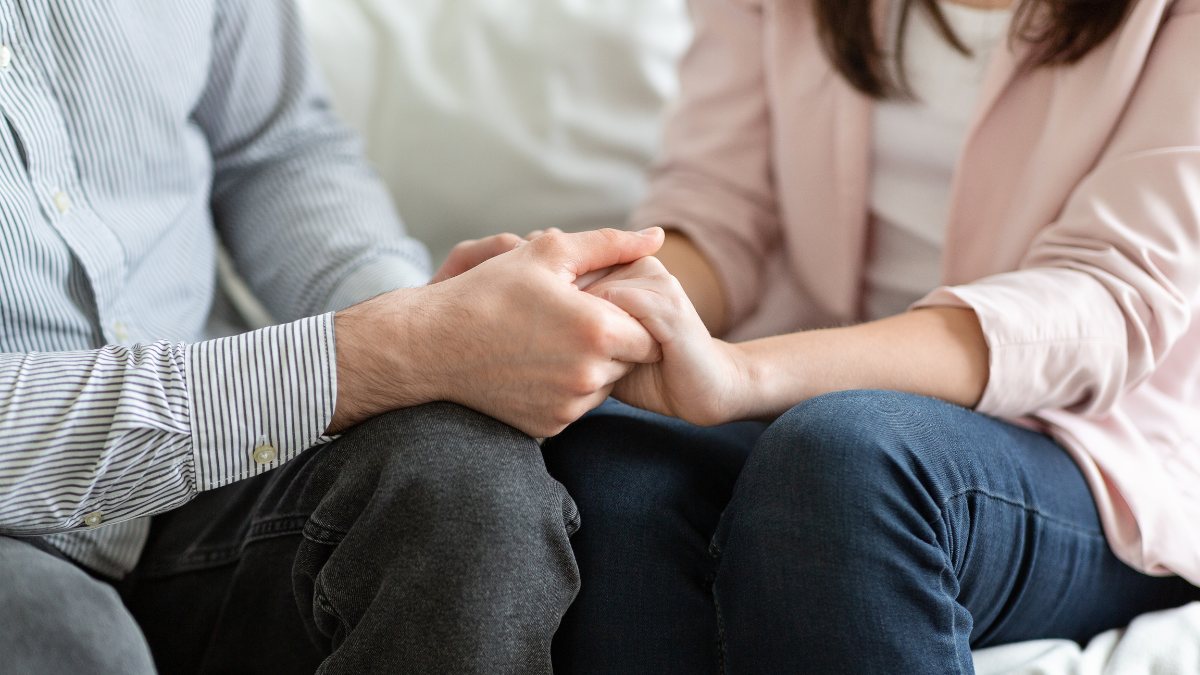
Is there a formula to make OA and nonchalant work?
As we've seen with our friends, family, and social media, there's plenty of evidence that many "OA vs. Nonchalant" couples are happy together! That said, if your conflicting personalities are playing a role in your relationship troubles, there are steps you can take as a couple to improve the situation.
Don't judge each other's tendencies.
Both partners should be able to openly communicate their needs, preferences, and feelings without feeling judged or invalidated. The "OA" partner should validate the "Nonchalant" partner's need for space, while the "nonchalant" partner should acknowledge the "OA" partner's need for emotional expression.
Recognize and appreciate each other's love language.
Both "OA" and "nonchalant" individuals often get a bad reputation for being too much or too little. However, recognizing each other's love language can make a significant difference. An "OA" person may show their love through words of affirmation, while a "Nonchalant" person might express affection through acts of service. You'd be surprised how much things can improve when you focus more on how your partner is conveying their love and less on whether or not they're doing something.
Practice patience and understanding.
Whenever you feel the need to call out your partner, remember that differences in your respective approaches don't necessarily mean there's neglect or disrespect involved. While it may seem obvious, practicing patience and understanding can often deescalate a potentially tense conversation. When managed well, your differences as a couple can even contribute to your growth as individuals.
Talk about it with a professional.
Sometimes, an outside perspective is exactly what a couple needs to acknowledge their mistakes and identify areas for improvement. You might want to consider couples therapy to address communication issues and develop strategies for strengthening your relationship. It may be hard to believe now, but more often than not, it could yield positive results. And if anything, it just means that both of you are willing to work on your relationship as a unit!
One more thing: This "OA vs. Nonchalant" meme is just a silly social media trend, and reality isn't that black and white, so be careful not to get fixated on such things! Relationships are complex and nuanced, and what truly matters is how well partners understand and support each other, regardless of any trendy labels or stereotypes.