The fashion industry is a double-edged sword: it can make or break you. In today's consumer-driven world, the pressure to keep up with trends has left many people feeling trapped in a relentless cycle of buying and discarding. Rather than experiencing the joy and empowerment that fashion should bring, individuals are often pushed to conform to ideals that can be unsustainable—financially, mentally, and environmentally.
But here's the good news: you can feel confident with sustainable fashion! And sustainability isn't just about wearing linen or buying from indigenous communities. It requires a thoughtful approach to production, design, and consumption—one that goes beyond aesthetics to address the impact our clothing choices have on the environment and communities.
Anika Martirez, a fashion designer and founder of Anika, believes that "sustainability is more than a buzzword—it's a lifestyle," especially when it comes to clothing. When it comes to sustainability, the label itself comes second; it's about building sustainable habits that truly matter.
"Sustainability can be as simple as choosing wardrobe pieces that suit you and fit your lifestyle, knowing you’ll love and wear what you purchase for many years to come. It's about building a wardrobe that feels like you," Anika said. "It's about wearing what makes you feel good and handpicking pieces that hold sentimental value due to the emotions attached to each one," she added.
As a designer, Anika acknowledged that the fashion industry is "notorious for harming the environment because of unsustainable practices." As an advocate of slow fashion and sustainable habits, she aims to bridge the gap by building a brand that’s not just about consumerism but about intention. "Before I started my brand, I felt there was a void in the fashion industry for clothing made with intention," Anika reflected.
"The only shopping options were either fast fashion or high-end designer clothing, with nothing in between. I was driven to fill that gap and provide that sweet spot. It's always been natural for me to acquire things that last—including my wardrobe," she shared.
"Fast fashion practices go against everything I believe in and fight hard for, which is why I strive to fill that gap in the industry. I'm committed to making pieces thoughtfully and knowing that good things take time. That’s why I centered my brand around slow fashion," she said.
How To Build (And Commit To) A Sustainable Wardrobe
1. Do A Closet Cleanup
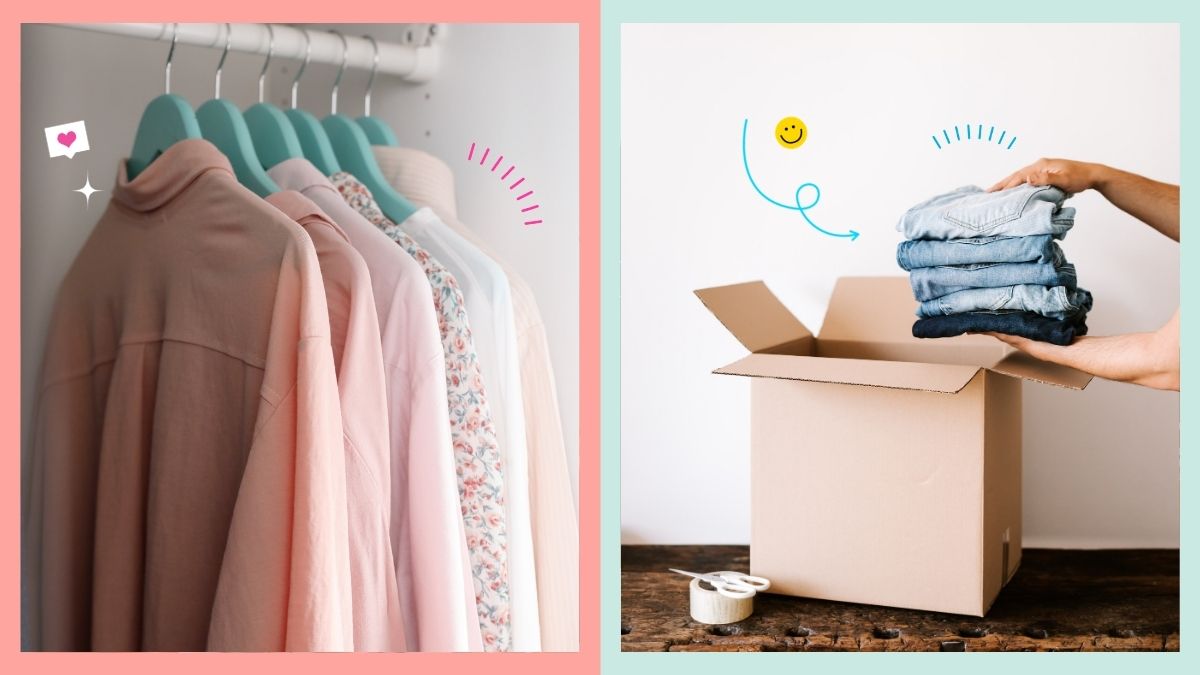
Start your sustainable journey by conducting a thorough wardrobe assessment. Empty your closet and sort items into categories: frequently worn, occasionally worn, and rarely/never worn. This process will help you identify your true style preferences and wearing patterns.
2. Invest in Quality Basics
While we love finding dupes for cult-fave products, we will wholeheartedly justify splurging on quality brands, especially versatile pieces, when building a sustainable wardrobe. While these items may cost more initially, their longevity and versatility make them more economical or #WorthIt over time.
For Anika, "wearability" comes with the primary importance of clothing—ensuring that it can be worn on every "special occasions, non-occasions, and everything in between." Because the value of a piece of clothing lies in how the wearer will be able to get ROI (return on investment) from it and whether or not they feel good while wearing it.
"Our goal is to uplift and empower women by helping them discover more about themselves—their personal style, what works for their body type, and, ultimately, how to tap into their inner confidence," Anika emphasized.
3. Practice Mindful And Intentional Shopping
Transforming your shopping habits can start with something as simple as implementing a waiting period before making a purchase. This "cooling-off" period allows time to reflect on whether the item truly serves a purpose or is simply an impulse buy.
Mindful, intentional shopping also involves researching the origins and production of the clothes you choose to buy. Look into whether a piece was made cruelty-free, if it relied on fair labor practices, and if its manufacturing involved harmful chemicals or contributed to environmental pollution. Ask yourself: Does the production process respect workers and natural resources? By taking these extra steps, your choices can better align with both ethical and sustainable values.
4. Build a Capsule Wardrobe
Create a focused collection of versatile pieces that work together seamlessly. Choose a cohesive color palette and stick to styles that suit your lifestyle and body type. This approach minimizes decision fatigue while maximizing outfit combinations. Start with a seasonal capsule and adjust based on your needs.